Have you ever heard of a ghost ship? I’m not talking about the Flying Dutchman or some spooky pirate legend. I’m talking about something very real, and frankly, a whole lot scarier for those of us in the insurance world.
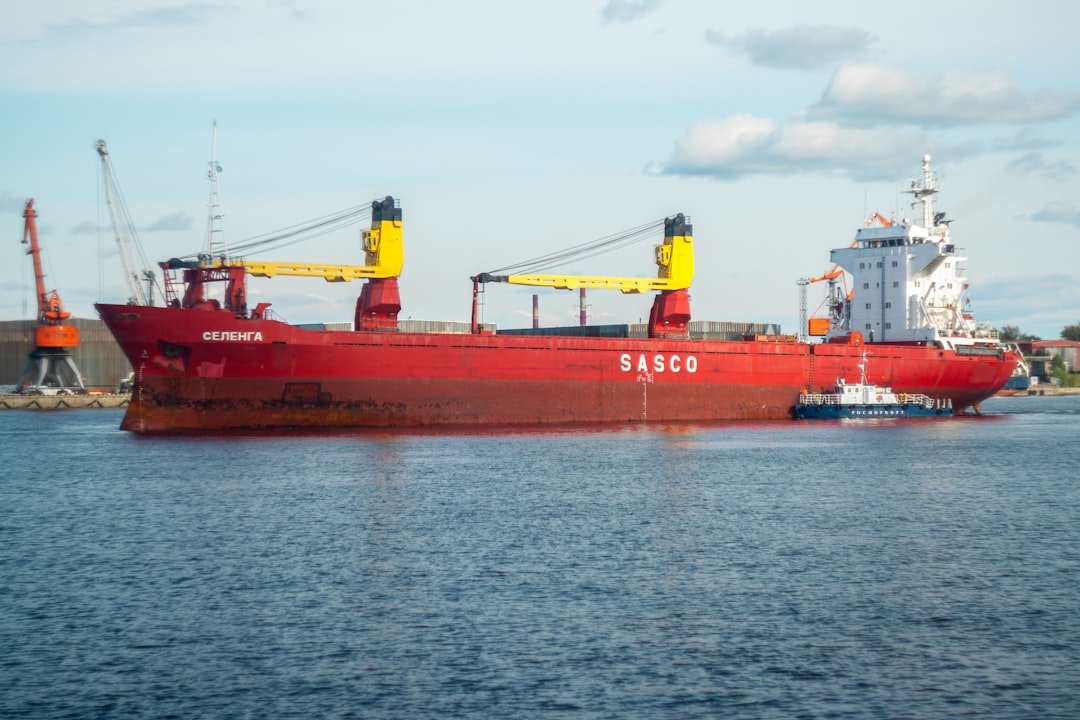
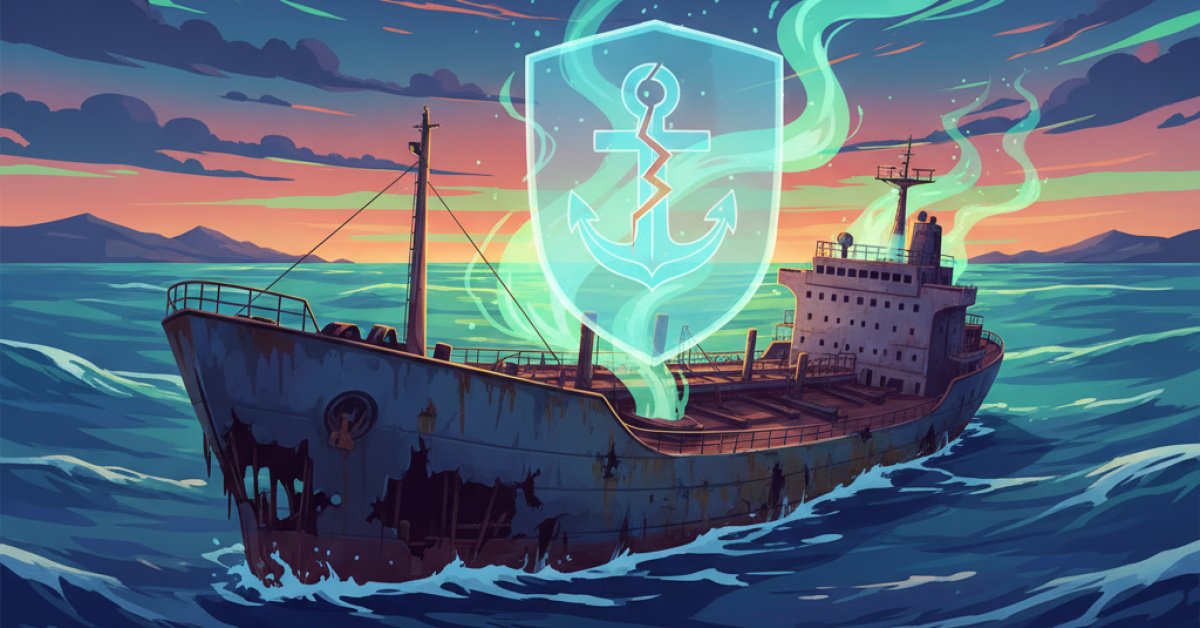
Picture this: a massive, 27-year-old crude oil tanker, a vessel that official records say was broken down for scrap metal back in 2021. It shouldn’t exist. Yet, according to ship-tracking data, it just popped up on the grid, fully loaded and heading for Venezuela. It’s a "zombie ship," brought back from the dead to operate in the shadows.
And here’s the thing—it’s not just one ship. This is the latest example of a growing problem that’s become a massive headache for marine insurers, governments, and anyone who cares about our oceans. It's a story about a "dark fleet" of aging, untraceable tankers, and it’s a ticking time bomb.
So, What Exactly Is This "Ghost Fleet"?
Let's break this down. When countries like Venezuela, Iran, or Russia face international sanctions, they can't just stop selling their oil. It's their economic lifeblood. So, they get creative. They turn to a shadowy network of vessels that are willing to operate outside the normal, regulated system.
Think of it like a parallel universe for shipping. In the regular world, a ship has:
- A clear owner.
- A legitimate flag from a reputable country.
- Proper maintenance records.
- And, most importantly for us, a solid insurance policy from a recognized P&I (Protection and Indemnity) club.
The ships in the dark fleet? They have none of that. They are often older vessels, past their prime and sold for scrap. But instead of being dismantled, they're given a new, secret life. They get re-registered under shell companies in countries with lax regulations, they frequently switch off their tracking systems to "go dark," and they sail with questionable paperwork.
This 27-year-old tanker heading to Venezuela is the perfect poster child for this problem. It was supposed to be gone, but it’s back, helping a sanctioned nation keep its oil flowing.
The Billion-Dollar Question: Who Insures These Things?
This is where it gets really dicey from our perspective. The short answer is: nobody reputable.
A legitimate marine insurer, like one of the big P&I clubs in London, wouldn't touch a ship like this with a ten-foot pole. The risk is just astronomical. Underwriting is all about assessing and pricing risk, but how can you possibly assess a vessel with a phantom owner, a falsified history, and no verifiable maintenance schedule? You can't.
So, these ships either sail with no insurance at all, or they carry fraudulent documents from fake insurers. This creates a terrifying scenario.
Imagine one of these ancient, poorly maintained tankers springs a leak or runs aground. We’re not talking about a small fender bender. We’re talking about millions of gallons of crude oil spilling into the ocean, causing an environmental catastrophe that would cost billions—yes, billions—to clean up.
Normally, the shipowner's P&I insurance would cover this. But with a zombie ship, there’s no one to call. The shell company owner is a ghost, the fake insurance policy is worthless, and the country whose flag it's flying will just shrug its shoulders. Who’s left holding the bag? The governments of the affected coastlines, and by extension, taxpayers. It’s a complete and total liability nightmare.
The US is Waking Up to the Threat
For a while, this was a cat-and-mouse game played in the shadows. But now, the US government is starting to crack down, and hard. They're realizing that this dark fleet isn't just undermining sanctions; it's a huge environmental and safety threat.
They’re actively targeting these vessels. This isn't just about blacklisting a company anymore. It's about making it impossible for these ships to operate. They're pressuring port authorities, service providers, and even the countries that provide these "flags of convenience" to deny these ships access.
The goal is to squeeze the life out of this shadow network. If a zombie tanker can't get fuel, can't get repairs, and can't find a port that will let it dock, it eventually becomes useless.
Why This Matters to Every Insurance Pro
You might be thinking, "Okay, this is a weird niche problem for marine specialists." But the ripples from this affect more than you’d think. This is about a massive, unmanaged, and uninsurable risk floating on our oceans.
When a disaster inevitably happens—and it's a matter of when, not if—the fallout will be huge.
- Market Instability: A major, uninsured oil spill could shock the global shipping and energy markets.
- Regulatory Backlash: Governments will likely impose even stricter regulations on all shipping, increasing compliance costs for legitimate operators and their insurers.
- Reputational Damage: Any legitimate business even remotely connected to one of these ships, perhaps by unknowingly buying its cargo down the line, could face a PR nightmare.
It’s a stark reminder that in our interconnected world, risk doesn't stay in its lane. The actions of these shadow operators create a phantom risk that haunts the entire legitimate industry. It’s a problem that’s tough to quantify and even tougher to insure against. And as long as there's a profit to be made in the shadows, these zombie ships will keep sailing. We just have to hope we can stop them before one of them causes a catastrophe we can't come back from.