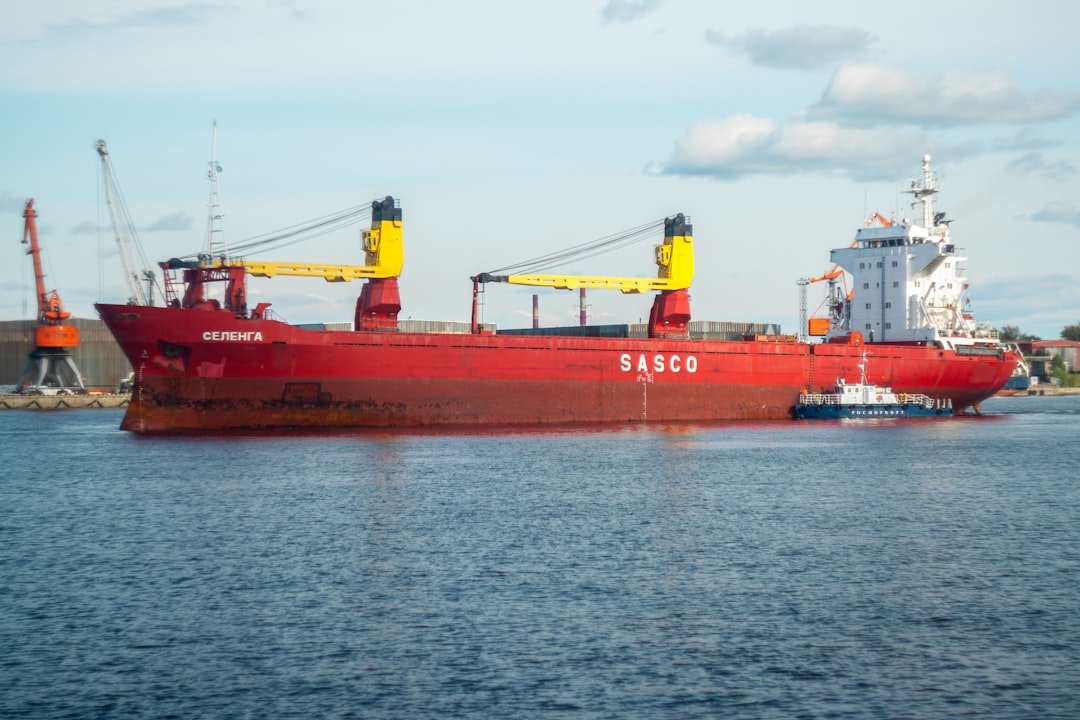
You might have caught the headline the other day: France’s navy seized another oil tanker. On the surface, it sounds like a distant, political chess move. Another day, another international incident.
But for those of us in the insurance world, this isn't just a news blip. It's a flashing red light on the global risk dashboard. This vessel was part of what experts are calling Russia’s “shadow fleet,” and honestly, it’s one of the scariest things happening in marine insurance right now.
Let's pull back the curtain on this, because what’s happening on the high seas is a high-stakes gamble that could affect all of us. This isn't just about sanctions; it's about a ticking environmental and financial time bomb.
So, What Exactly is This "Shadow Fleet"?
Think of it like a fleet of ghost ships. These are tankers, often old and not in the best shape, that have been quietly bought up to transport Russian oil in defiance of international sanctions. They operate in the gray areas, trying to stay off the radar.
They might turn off their transponders to hide their location, transfer oil from ship to ship in the middle of the ocean, and use all sorts of tricks to obscure who actually owns the vessel and the cargo. It’s a massive shell game designed for one purpose: to keep Russia’s oil revenue flowing.
The recent seizure by France is just the latest move in a growing crackdown. European authorities are getting more aggressive, and they've now detained at least nine of these suspected shadow vessels this year. They're sending a very clear message: the game is up.
The Million-Dollar Question: Who Insures These Ghost Ships?
This is where things get really dicey from our perspective.
For any legitimate shipping operation, insurance is everything. Specifically, you need Protection & Indemnity (P&I) insurance. This is the super-heavy-duty coverage that handles catastrophic liabilities—we're talking massive oil spills, collisions, environmental damage, you name it.
The gold standard for this coverage comes from the International Group of P&I Clubs. They're a collection of 12 major insurers who cover something like 90% of the world's ocean-going tonnage. To be a member, you have to meet incredibly high standards for safety, maintenance, and transparency.
Here’s the thing: The International Group won't touch these shadow fleet tankers with a ten-foot pole. Insuring a vessel that is actively breaking international sanctions is a one-way ticket to getting sanctioned yourself. It’s a non-starter.
So, where do these ships get their insurance? Well, that’s the problem. They often rely on small, unproven insurers, sometimes based in Russia or other countries not participating in the sanctions. The paperwork might look okay at a glance, but whether that policy would actually pay out for a $1 billion oil spill cleanup is a huge, terrifying question mark. Frankly, many in the industry believe it’s a house of cards.
A Ticking Time Bomb on the Water
Imagine this scenario: One of these aging tankers, with a spotty maintenance record and questionable insurance, has a major accident off the coast of Spain, or in the English Channel, one of the busiest shipping lanes in the world.
Who pays for the cleanup? Who compensates the fishermen whose livelihoods are destroyed? Who covers the cost to tourism in the affected regions?
With a legitimately insured vessel, the P&I club would step in. It would be a horrible event, but there would be a clear process and deep pockets to manage the aftermath.
But with a shadow fleet tanker? The owner is likely a shell corporation that will disappear overnight. The "insurer" might not have the capital to cover the claims, or they might just refuse to pay. The crew could be abandoned. It creates a vacuum of liability.
And guess who is left holding the bag? The taxpayers of the country whose coastline was just devastated. This is the nightmare scenario that maritime authorities and insurers are trying to prevent. The French aren't just seizing a ship; they're trying to defuse a bomb.
Why Europe is Finally Stepping Up its Game
For a while, it seemed like authorities were playing a game of whack-a-mole. But now, we're seeing a much more coordinated and aggressive strategy. By seizing these vessels, they're creating a powerful deterrent.
It sends a clear signal to anyone involved in this shadow trade: the ship owners, the cargo brokers, and even the port authorities who might be tempted to look the other way. The message is simple: "If you operate outside the legitimate, insured system, you risk losing your multimillion-dollar asset."
This pressure is critical. It makes it harder and more expensive for the shadow fleet to operate. It forces a choice between complying with international standards or facing very real, very costly consequences.
So, the next time you see a headline about a seized tanker, I hope you'll see it a little differently. It’s not just a political story playing out thousands of miles away. It's a story about risk, liability, and the invisible web of insurance that keeps our global economy running and protects our environment. It’s a stark reminder that when it comes to shipping something as hazardous as oil, taking shortcuts on safety and insurance isn't just a gamble—it's a threat to everyone.