Remember the headlines from about a decade ago? The ones filled with stories of Somali pirates in small skiffs hijacking massive cargo ships, the daring rescues, and the massive spike in shipping insurance? For a while there, it felt like we had a handle on it. International naval patrols, armed guards on vessels, and onshore stability efforts all seemed to work. The problem, for the most part, faded from our daily conversations.
Well, you might want to sit down for this. It’s back.
On the evening of April 26th, a chillingly familiar scene played out. An Egyptian merchant vessel, the Sward, was hijacked by armed men just a few miles off the Somali coast. The ship was forced to an anchorage near Garacad in Puntland, a semi-autonomous state in Somalia. If you work in marine insurance or logistics, that news probably sent a shiver down your spine. It wasn’t a one-off incident; it was a loud, clear signal that an old threat has reawakened.
So, what on earth is going on? How did we go from a solved problem to hijacked vessels seemingly overnight? It’s not one single thing, but rather a perfect storm of factors creating an environment where piracy is, once again, a viable—and even attractive—option for some.
A Powder Keg of Political Turmoil
First, let's talk about the situation on the ground in Somalia, specifically in Puntland. This region has historically been a major hub for pirate activity. For years, a delicate balance of power and international cooperation kept things in check. That balance is now broken.
There’s a major political feud brewing between the leadership in Puntland and the federal government of Somalia. Think of it like a state suddenly deciding it’s not going to cooperate with the federal government anymore. When that happens, who is in charge of policing the coastline? Who is responsible for security? The answer becomes murky, and that confusion creates a power vacuum.
Criminals and would-be pirates thrive in these vacuums. With local and national authorities at odds, the coordinated security efforts that once deterred piracy have fallen apart. It creates gaps in surveillance and response, and the pirates are more than happy to exploit them. It’s a classic case of "while the cats are away, the mice will play."
Desperation Feeds Dangerous Decisions
Now, let’s add another layer to this: a growing humanitarian crisis. The World Food Programme recently had to suspend its aid distribution in certain parts of Somalia. This is a massive blow to communities already struggling with poverty, drought, and instability.
When people are desperate, when they can't feed their families, their options become incredibly limited. Old, dangerous "professions" like piracy start to look like a rational choice. It’s easy for us to sit back and condemn it, but when you have nothing, a high-risk, high-reward venture can seem like the only way out.
This isn't an excuse for piracy, but it's a critical piece of the puzzle. The economic desperation on the ground provides a steady stream of recruits for the pirate kingpins who organize these attacks. Without addressing the root causes of this poverty, we’re only treating the symptoms, not the disease.
The Bigger Picture: A Distracted World and a Meddling Iran
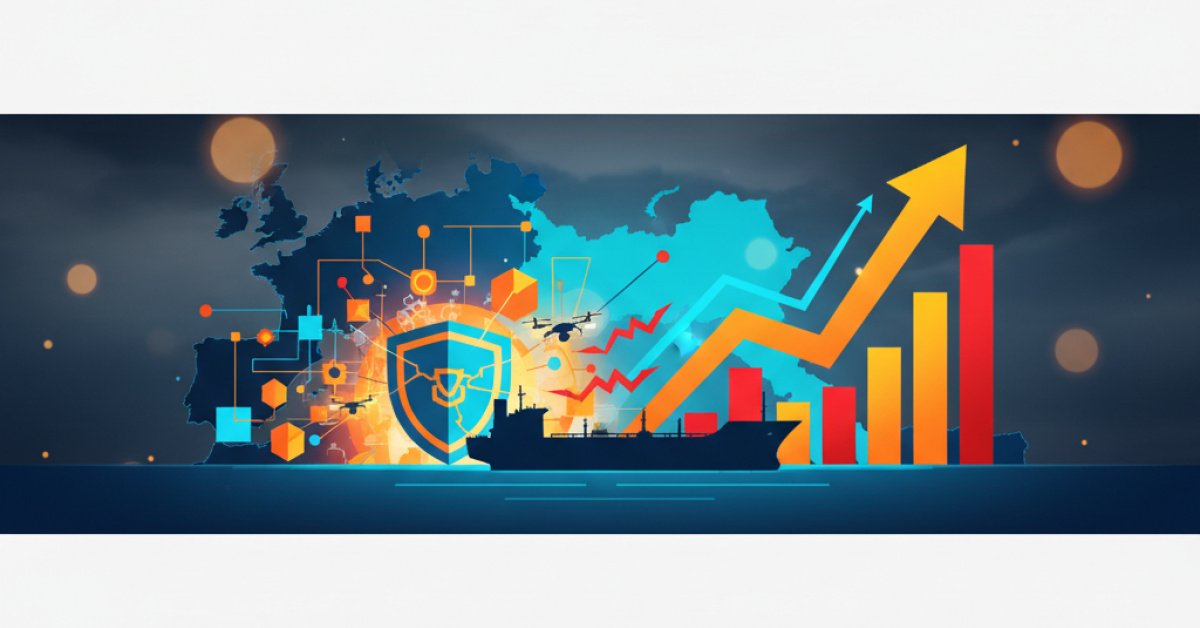
Zoom out from Somalia, and you’ll see the rest of the region is in chaos, too. The Houthi attacks on shipping in the Red Sea, backed by Iran, have completely upended global maritime security.
Think of it this way: all the international naval forces—the world’s maritime firefighters—are focused on the massive blaze in the Red Sea and the Gulf of Aden. They’re busy protecting ships from drone and missile attacks. That huge distraction means there are fewer eyes and fewer warships patrolling the Somali coastline. The neighborhood watch has been pulled away to deal with a bigger crisis, leaving the back door wide open for the old burglars to return.
And there’s a more direct connection, too. Iran’s involvement with the Houthis shows a clear strategy of disrupting global trade. It’s not a huge leap to think that Iran might see resurgent Somali piracy as another way to apply pressure and create chaos. Whether it's through direct support, weapons, or just inspiration, the instability Iran is sowing in the region is absolutely spilling over and helping to fuel this piracy revival.
What This Means for Us in the Insurance World
Okay, so the problem is back and it's complicated. What does that actually mean for shippers and their insurers?
Here’s what you need to be prepared for:
- Spiking War Risk Premiums: This is the most immediate impact. The area will likely see its risk designation change, and underwriters will be recalculating their premiums. Insuring a vessel to transit these waters is about to get a lot more expensive, just as it did with the Red Sea.
- The Return of Onboard Security: The practice of placing private armed security teams on vessels, which had become less common, is almost certain to become standard procedure again for any ship passing through the area. This adds significant operational costs and logistical headaches for shipping companies.
- More Rerouting and Supply Chain Chaos: Shippers are already avoiding the Red Sea by taking the long route around Africa. Now, they have to worry about a threat on that alternate route, too. This dual threat complicates route planning and could lead to even longer, more expensive journeys, which ultimately impacts the price of goods for all of us.
This isn't just a repeat of 2011. The geopolitical landscape is far more complex now. We're dealing with a multi-front crisis that stretches from the shores of Yemen to the coast of Somalia.
For those of us in the insurance and risk management world, this is a powerful, if unwelcome, reminder. Risk never truly vanishes; it just goes dormant, waiting for the right conditions to reemerge. Right now, in the waters off the Horn of Africa, it’s waking up, and we all need to be ready for what comes next.