Have you ever been watching the news and seen a situation escalating somewhere in the world, and thought, "Wow, that looks intense"? Well, for the people who insure the massive ships that carry pretty much everything we own, "intense" is a word that sets off alarm bells.
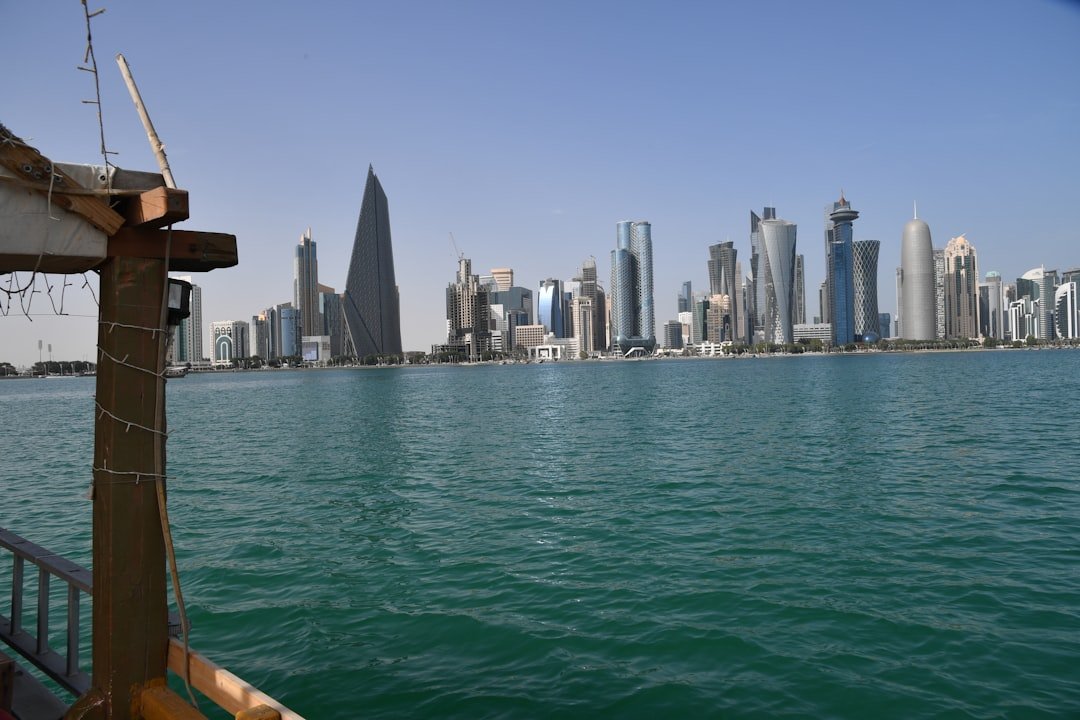
Right now, those bells are ringing loud and clear in the Persian Gulf. With all the tension flaring up and Iran making moves to close the Strait of Hormuz—a critical artery for global oil transport—the insurance world is reacting, and fast.
Insurers have just hit the big red button. They’re canceling war risk coverage for ships in the region. This isn't just a price hike; it's a full-on "we're out" moment, and it’s sending shockwaves through the shipping industry.
So, What Exactly Just Happened with War Risk Insurance?
Okay, let's break this down. When a shipping company sends a vessel out, it has a whole portfolio of insurance policies. One of the most important, especially for ships traveling through volatile areas, is "war risk" insurance. This covers things you'd expect: damage from acts of war, terrorism, mines, and capture or seizure of the vessel.
Normally, this coverage is part of a standard package. But the situation in the Gulf has escalated so quickly that insurers are saying the risk is no longer theoretical. It’s become too real, too unpredictable.
So, they've triggered a clause in their policies that allows them to cancel the war risk portion of the coverage. And they’re not giving months of notice. We're talking about a matter of days. As of today, for many ships, that specific safety net is gone.
The 'Seven-Day Eject Button': How Can They Do This?
You're probably wondering how an insurance company can just pull the plug like that. It feels a bit like your car insurance company canceling your collision coverage right before you drive into a demolition derby, doesn't it?
Well, it all comes down to something called a "short notice cancellation clause."
Think of it as an emergency eject button built into the insurance contract. These clauses, often with a seven-day notice period, are standard in marine insurance policies. They exist for exactly this kind of scenario: when a geopolitical situation deteriorates so rapidly that the original risk calculation is completely thrown out the window.
The insurer’s logic is simple: "We agreed to cover you for the risk of war, not the certainty of it." When a government closes a major strait and tensions are at a boiling point, the risk profile changes dramatically. The underwriters who priced the policy did so based on a certain level of stability, and that stability has vanished. So, they pull the ripcord.
What Does This Mean for Ships on the Water?
This is where things get incredibly tricky for shipping companies. Imagine you're the owner of a massive oil tanker. Your ship is either already in the Gulf or steaming towards it. Suddenly, you get a notification that your war risk cover expires... today.
You're now faced with a few terrible options:
- Sail Uncovered: You could proceed without war risk insurance, but that's a massive gamble. We're talking about assets worth hundreds of millions of dollars. No sane operator would do this.
- Divert the Ship: You could reroute, but that costs a fortune in fuel and throws your entire schedule into chaos. Plus, for many ships, there's no other way to get where they need to go.
- Find New Insurance, Fast: This is the only real option, but it's a frantic scramble.
And here's the kicker: the new insurance isn't going to be cheap. With the standard market pulling out, shipowners have to go to a specialized, high-risk market. The premiums for a new, standalone war risk policy for a single voyage through the Gulf will be astronomical compared to what they were paying before.
We’re not talking about a 10% or 20% increase. We’re talking about a completely different cost structure, one that can add hundreds of thousands of dollars to the cost of a single trip.
Navigating Murky Waters: What Happens Next?
This move by insurers has a ripple effect that goes far beyond the insurance world. That massive new cost for insurance? It doesn't just get absorbed by the shipping company. It gets passed on.
First, it gets passed to the company chartering the vessel. Then, it gets baked into the price of the cargo—whether that’s oil, electronics, or anything else. And ultimately, who pays for that? We do, as consumers.
What we're seeing is the insurance market acting as a real-time barometer of global risk. Long before a single shot is fired, the financial mechanisms that underpin global trade start to seize up. The cancellation of these policies is a clear signal from a very risk-averse industry that they believe the situation in the Strait of Hormuz has crossed a critical threshold.
For now, it’s a high-stakes game of chicken. Shipowners are scrambling for new coverage, insurers are calculating new, eye-watering premiums, and the whole world is watching to see if one of the most important shipping lanes on the planet remains open for business. It’s a stark reminder that in our interconnected world, a regional conflict can raise the price of everything, starting with the price of peace of mind.