You probably saw the headlines. After years of protests, legal battles, and intense debate, the US Army Corps of Engineers finally gave the green light for the Dakota Access pipeline to cross under a lake in North Dakota. For most people, this story is about oil, the environment, and politics.
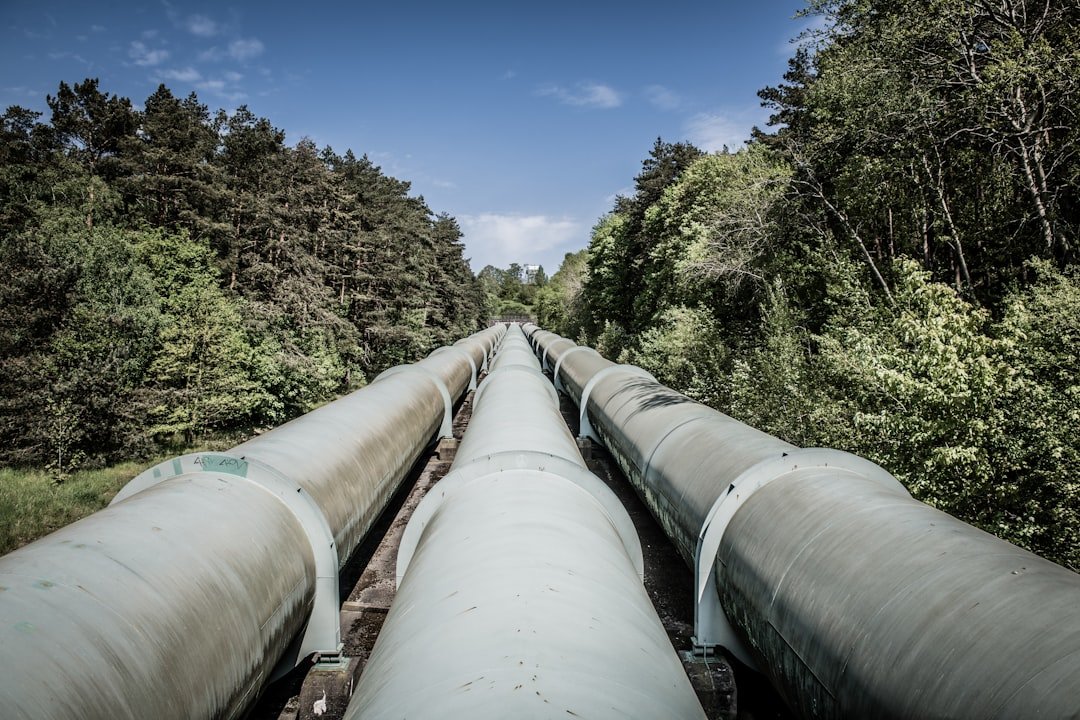
But for those of us in the insurance world, it’s about something else entirely: risk. And not just any risk. We’re talking about a multi-billion-dollar, 1,200-mile-long steel artery carrying crude oil across four states. The potential for things to go wrong is, frankly, staggering.
So, let's pull back the curtain. Forget the news reports for a minute and talk about what’s happening behind the scenes. How on earth do you even begin to insure a project this massive, this controversial, and this risky? It's a fascinating case study, and it tells us a lot about the invisible financial scaffolding that holds up our modern world.
First Off, What’s This Easement All About?
Before we dive into the insurance nitty-gritty, let's get on the same page. An "easement" is basically just legal permission to use someone else's land for a specific purpose. In this case, the pipeline needed permission from the federal government to burrow underneath Lake Oahe, a major water source.
This wasn't just a rubber-stamp approval. The decision was held up for years due to major concerns. What if the pipeline leaks? What would happen to the drinking water for the Standing Rock Sioux Tribe and others downstream? These are valid, terrifying questions, and they’re the very same questions an insurance underwriter has to ask, but with a dollar sign attached.
Finalizing this easement means the last major hurdle for the pipeline's operation is cleared. But for the insurers, the work is just beginning.
The Billion-Dollar Question: What If It Leaks?
This is the big one, right? It’s the nightmare scenario that keeps everyone up at night. A pipeline rupture under a major lake could be an environmental catastrophe of epic proportions.
Think of it like this: a leaky pipe under your kitchen sink is a pain. It might ruin your floorboards and cost a few thousand dollars to fix. Your homeowner's policy can handle that. Now, imagine that pipe is three feet wide, carrying hundreds of thousands of barrels of crude oil a day, and it's buried under a massive body of water that provides drinking water for thousands.
That’s not a homeowner’s claim. That’s a potential nine or ten-figure disaster.
This is where Environmental and Pollution Liability Insurance comes in. This isn't your standard general liability policy. It’s a highly specialized type of coverage designed for exactly these kinds of situations. It’s meant to cover:
- Cleanup Costs: The astronomical expense of containing the spill and remediating the contaminated soil and water.
- Third-Party Damages: Bodily injury or property damage claims from people affected by the pollution.
- Legal Defense: The cost of defending the company against an avalanche of lawsuits.
Honestly, the limits on a policy for a project like this must be mind-boggling. We're talking about a level of risk that only a handful of global insurers and reinsurers could even touch.
When Protests and Politics Stall a Project
The Dakota Access pipeline wasn't just a construction project; it was a flashpoint for activism and political maneuvering. For years, its future was uncertain, caught up in court challenges and changing presidential administrations.
From a business perspective, every day of delay costs a fortune. You've got equipment sitting idle, workers you can't deploy, and contracts on hold. How do you protect yourself from that?
Enter Political Risk Insurance.
This is a fascinating corner of the insurance world. It’s designed to protect companies investing in projects that could be derailed by government actions or political instability. While we often think of it for projects in developing countries, it’s become increasingly relevant right here in the U.S.
For the pipeline's owners, a policy like this could potentially cover losses from:
- Permit Revocation: If a new administration had come in and permanently revoked their permits.
- Forced Abandonment: If government action or sustained unrest made it impossible to continue the project.
- Business Interruption: Covering the income lost during politically-motivated delays.
It’s basically insurance against the unpredictable nature of politics, and this project is a textbook example of why it’s so critical for major infrastructure.
You Can't Forget the Basics (On a Massive Scale)
Beyond the headline-grabbing risks, a project like the Dakota Access pipeline still needs the same fundamental types of insurance as any other major construction job—just super-sized.
Builder's Risk / Construction All-Risk (CAR)
During the construction phase, this is the master policy. It covers the physical pipeline itself from things like fire, theft, vandalism, or natural disasters while it's being built. Insuring a 1,200-mile-long construction site that crosses rivers, farmland, and sensitive habitats presents some pretty unique challenges for underwriters.
Surety Bonds
You can bet that government agencies required the pipeline company to post massive Surety Bonds. These aren't technically insurance, but they work in a similar way. A performance bond, for example, guarantees that the project will be completed according to the contract. If the company fails, the surety company steps in to get the job done. It’s a way of ensuring the builders don’t just walk away from a half-finished, problematic project.
The Invisible Safety Net
When we see a story like this, it’s easy to get caught up in the drama. And we should. The environmental and social questions are incredibly important.
But it’s also a powerful reminder of the role insurance plays in our society. Without this complex web of policies—environmental, political risk, builder’s risk, and more—projects of this scale simply couldn't get funded or built. No bank would lend the money, and no company would take on that level of concentrated risk alone.
Insurance is the mechanism that allows society to take on huge, ambitious, and sometimes controversial endeavors. It doesn't make the risks go away, but it creates a financial backstop that makes them manageable. Whether you're for or against the pipeline, understanding the insurance behind it gives you a whole new appreciation for the invisible forces shaping our world.