Remember that massive nuclear power project in South Carolina? The one that soaked up billions of dollars and then just… stopped? It’s been sitting there for years, a ghost of a project and a painful reminder for taxpayers. It felt like one of those stories that was just over, a closed chapter.
Well, it looks like someone is trying to write a new ending.
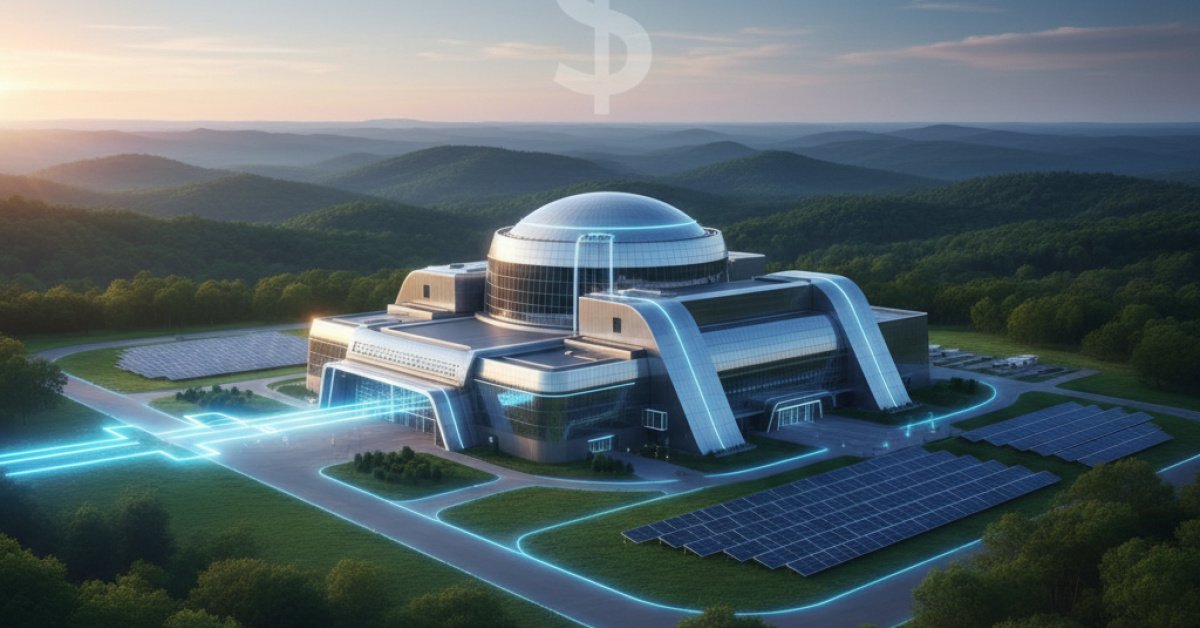
A private company has stepped up to the plate with a stunning offer: they want to pay the state-owned utility, Santee Cooper, a whopping $2.7 billion to take over the stalled project and finally finish it. If they can make a deal, they’ve even offered to give the state a small slice of the power it generates.
It’s a bold move, and honestly, it’s the kind of news that makes you do a double-take. Could this really happen? And if so, how on earth do you manage the risk on a project that has already failed so spectacularly?
Let's Rewind: Why Did This Project Fail in the First Place?
Before we get into the new deal, it’s important to remember how we got here. This wasn't just a small hiccup; the V.C. Summer nuclear expansion was one of the biggest public utility failures in recent memory.
Construction started, the costs ballooned, deadlines were missed, and a key partner, Westinghouse Electric, went bankrupt. In 2017, after spending around $9 billion, the owners pulled the plug.
Think of it like building a dream house. You hire a contractor, you’ve got the blueprints, and you’ve already paid for the foundation and framing. Then, halfway through, the contractor goes out of business, the price of lumber triples, and you realize the blueprints were flawed from the start. You’re left with a half-built structure, a mountain of debt, and a very big problem. That’s essentially what happened here, but on a multi-billion-dollar scale.
So, What's on the Table Now?
A private company is basically saying, "We see your half-built house, and we think we can finish it. We'll even pay you for the trouble you've already gone through."
The $2.7 billion offer is designed to help Santee Cooper pay down the massive debt it still carries from the original failed project. In return, the new company gets the keys to the site and the chance to bring two new nuclear reactors online.
It's an intriguing proposition. For the state, it’s a potential path out of a financial black hole. For the private company, it's a chance to acquire a partially built nuclear asset at what they believe is a bargain price. But as you can imagine, a deal like this is incredibly complicated.
The Billion-Dollar Insurance Puzzle
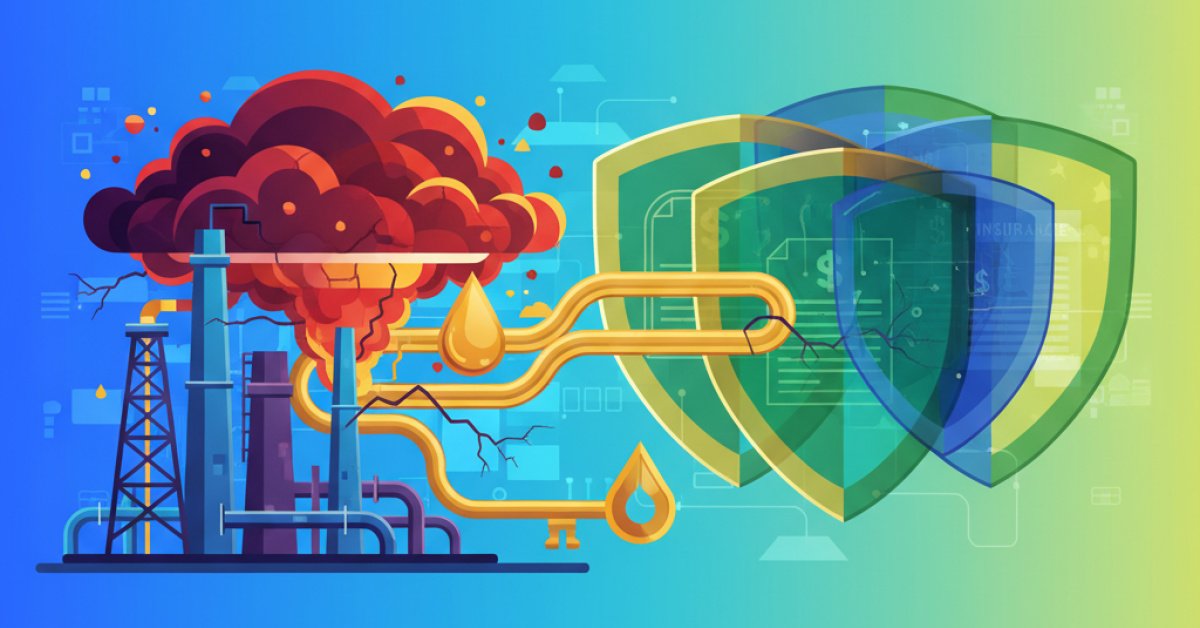
This is where things get really interesting from my perspective as an insurance guy. You can't just restart a project like this with a handshake and a check. The risks are astronomical, and the insurance required to back this up is a monumental challenge in itself.
Any company, investor, or lender involved is going to want to know one thing: how do we make sure this doesn't blow up in our faces again?
First Up: Performance Guarantees Are Non-Negotiable
After the first failure, no one is going to move forward on trust alone. This is where something called a surety bond becomes absolutely critical.
A surety bond is essentially a three-party promise. The new construction company (the principal) gets a bond from a surety company (the insurer) for the benefit of the project owner (the state/utility). It guarantees that the contractor will complete the project according to the contract. If they fail, the surety company has to step in, either by finding another contractor to finish the job or by paying out the value of the bond.
You can bet that any deal will require some of the largest surety bonds the market has ever seen. It’s the ultimate "put your money where your mouth is" insurance policy.
The Unique World of Nuclear Insurance
Insuring a nuclear power plant isn't like insuring a skyscraper or a bridge. The potential for a catastrophic event, however remote, is so immense that a special system exists to handle it.
In the U.S., this is governed by the Price-Anderson Act. Here’s the simple version:
- Every nuclear plant operator has to buy the maximum amount of liability insurance available from the private market. This is currently around $450 million.
- On top of that, all the nuclear reactor operators in the country are part of a mandatory self-insurance pool. If an accident at one plant causes damages that exceed that $450 million, every other operator has to chip in up to a certain amount.
- This creates a massive, multi-billion-dollar liability pool to cover damages.
Any new operator for the South Carolina plants would have to buy into this system. It's a complex, highly regulated part of the deal that protects the public while making the risk manageable for the industry.
Don't Forget the Basics: Covering the Build Itself
Beyond the high-level guarantees and nuclear liability, you still have all the "standard" (if you can call it that) insurance needed for a mega-project.
- Builder's Risk Insurance: This is the policy that covers the physical structure and materials while it's under construction. Fire, theft, wind damage—you name it. For a project this size, it’s an incredibly complex and expensive policy.
- General and Professional Liability: This covers everything from a worker getting injured on site to a design flaw from an engineering firm causing a major setback.
Insurers will be looking at this project under a microscope. They'll scrutinize the new company's track record, their financial stability, the updated construction plans, and the political climate in South Carolina. Premiums will be high, and the terms will be strict.
What Happens Next?
This offer is just the first step in what will be a long and complicated dance. There will be regulatory hearings, political debates, and intense negotiations. The public, understandably wary after being burned once, will have a lot of questions.
But it’s a fascinating development. It shows that even a project with a troubled past can find new life if the price is right and the right guarantees are in place. For the insurance world, it’s a case study in managing massive, complex risk. It’s a reminder that for every big gamble, there's an underwriter somewhere trying to calculate the odds. We'll all be watching to see how this one plays out.