You probably saw a headline pop up on your phone recently about a federal judge and some energy policies. It’s the kind of news that’s easy to scroll right past. A judge in Massachusetts, a policy from the Trump administration... it can all feel a bit distant, right?
But for those of us in the insurance world, especially anyone who touches commercial or specialty lines, this was a big deal. A really big deal. When we see a ruling like this, we’re not just seeing a political story. We’re seeing a fundamental shift in risk for a multi-billion dollar industry that we’re responsible for underwriting.
So, let's grab a coffee and talk about what actually happened and, more importantly, why it matters for the people insuring these massive renewable energy projects.
First, What Was the Big Holdup?
Okay, let's quickly get the legal stuff out of the way. In a nutshell, a Chief U.S. District Judge, Denise Casper, put a stop to a series of permitting policies from the Trump administration.
These weren't just minor rules. Industry groups for wind and solar power argued that these policies were actively gumming up the works, making it incredibly difficult and unpredictable to get new projects off the ground. Think of it like trying to build a new house, but the city keeps changing the zoning laws on you every other week. It creates chaos and, most importantly, uncertainty.
This ruling basically hit the pause button on that chaos, blocking the administration from enforcing those policies. For the renewable energy sector, it was a huge sigh of relief. For insurers, it was a signal that the ground might be getting a little more solid under our feet.
Why Uncertainty is an Insurer's Worst Nightmare
Here’s the thing about insurance: we’re in the business of managing risk, not gambling. We use data, models, and decades of experience to make calculated decisions. Wild, unpredictable variables are our kryptonite.
The policies that were just blocked were a massive variable. They created what we call "permitting risk."
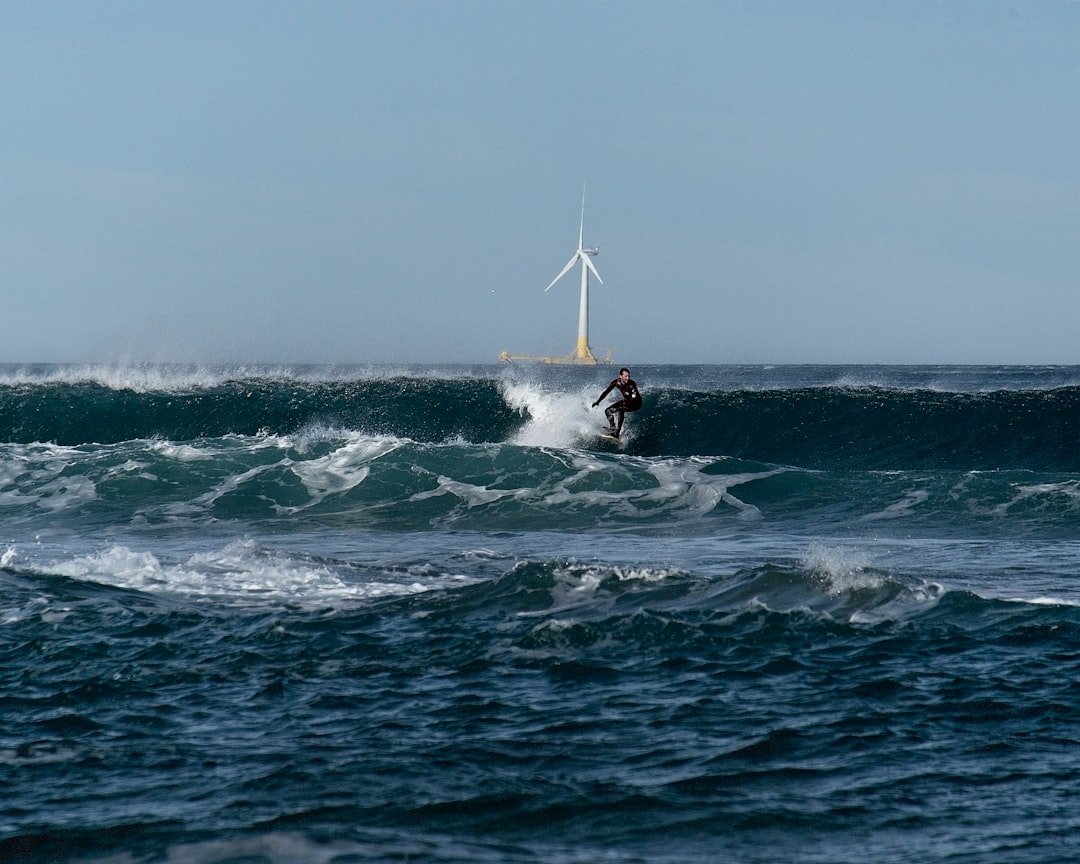
Imagine you're an underwriter looking at a proposal for a new $500 million offshore wind farm. It’s a complex project with tons of moving parts: construction risk, operational risk, potential for natural disasters. You can model for most of that.
But how do you price the risk that a government agency might suddenly change its interpretation of a rule and deny a critical permit halfway through development? That’s almost impossible to quantify.
When that kind of political or regulatory uncertainty is high:
- Premiums go up: To compensate for the unknown, insurers have to charge more.
- Capacity shrinks: Some insurers might just decide the risk is too hot to handle and refuse to write policies for new projects altogether.
- Financing dries up: Lenders won't give out massive loans for projects that can't get insured.
This federal court ruling effectively removes a major layer of that uncertainty. It tells developers, investors, and their insurers that the permitting process should be more stable and predictable, at least for now. It’s like the city promising to stick to the zoning laws that were on the books when you started your house build.
The Ripple Effect on Different Types of Coverage
This isn’t just about one generic "project insurance" policy. A decision like this sends ripples across several specific lines of coverage.
Political Risk Insurance
This is the most obvious one. Political Risk insurance is designed specifically to protect companies from losses caused by government actions. A policy change that stalls a project is a classic example of a political risk. While this ruling is a positive development, it highlights just how critical this coverage is for any long-term energy project. It shows that a change in administration can have a direct, tangible impact on a project's viability. Insurers in this space are watching these court cases like a hawk.
Builder's Risk & Construction All-Risk
These policies cover the project during the construction phase. The longer and more unpredictable the permitting process, the longer the construction phase is delayed and exposed to risk (weather, theft, damage). By smoothing out the permitting path, this ruling could help shorten project timelines and reduce the "exposure period" for insurers, which is always a good thing.
Business Interruption
If a project's launch is delayed because of a permitting issue, that's a massive loss of expected revenue. Business interruption coverage can come into play here. A more stable regulatory environment means there's less chance of these kinds of claims being triggered, which is a stabilizing force for the market.
The Bigger Picture: A Green Light for a Greener Grid
Stepping back, this is more than just a single court case. It's a piece of a much larger puzzle about the transition to renewable energy and how the insurance industry is adapting.
Let's be honest, our industry is on the front lines of climate change. We're the ones paying out the billions in claims after hurricanes, wildfires, and floods. Because of that, insurers have a vested financial interest in supporting a transition to energy sources that can help mitigate those long-term risks.
When the path for wind and solar projects is cleared, it doesn't just help the energy companies. It helps the insurers who see this transition as a critical, long-term risk management strategy for the entire planet. It means more "good" risks to write in a growing sector and, hopefully, fewer catastrophic climate-related claims to pay out decades from now.
So, while the headline might have seemed dry, the takeaway for us is pretty clear. A more stable, predictable regulatory landscape is good for the renewable energy industry, it's good for the insurers who back them, and it ultimately helps clear the way for the massive investments we need to build a more resilient future. And that's something worth paying attention to.