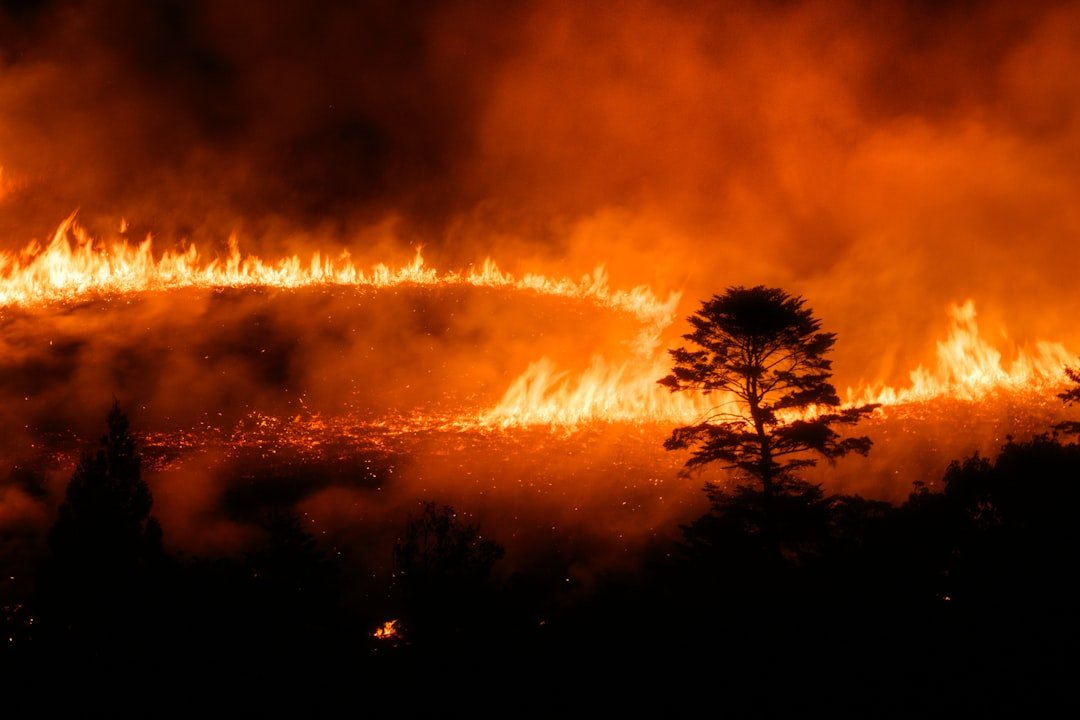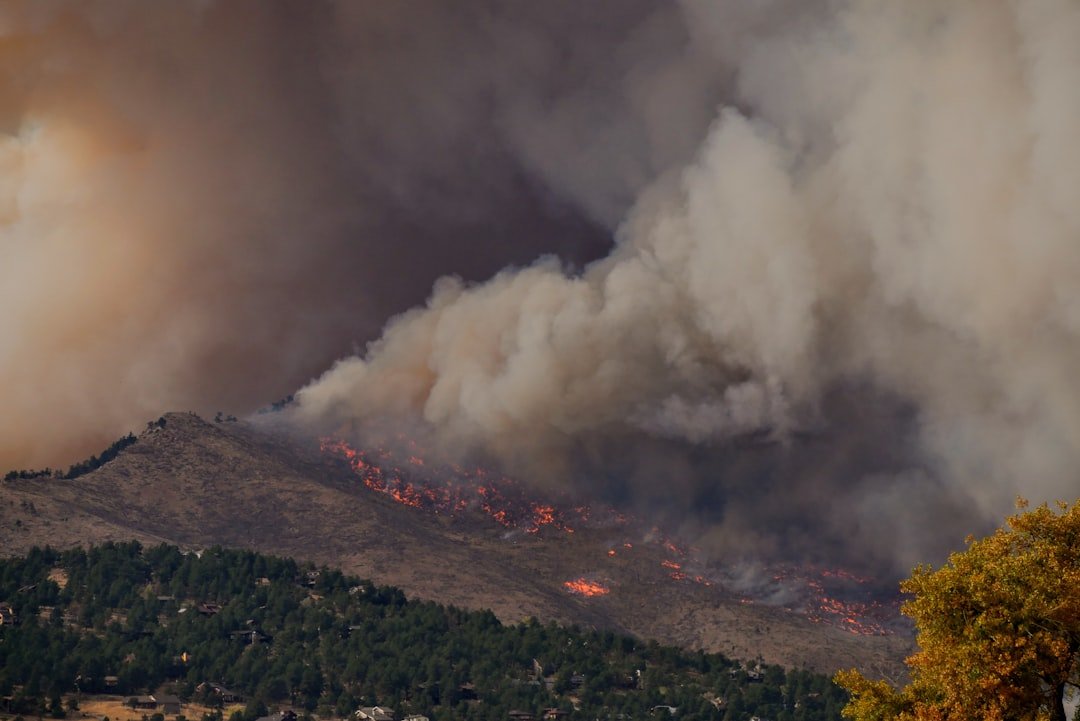
It's a story that just stops you in your tracks. You hear the news—three firefighters killed while battling a wildfire on the Colorado-Utah border—and your heart just sinks. These are the people who run toward the danger we all run from. It’s a devastating loss for their families, their crew, and the entire community.
The news reports mentioned the cause: blistering heat and strong winds fueling a blaze that the National Weather Service called "critical." And while the immediate focus is rightly on the human tragedy, it also forces us to confront a bigger, tougher conversation.
These events aren't isolated incidents anymore. They're becoming a terrifyingly regular part of life, especially out West. And as an insurance writer, I can tell you this trend is having a massive ripple effect on the safety nets we all rely on. So let's talk about it—not in a cold, corporate way, but as neighbors trying to understand the real-world impact of these fires on our protection and our future.
The Unseen Protection for Those on the Front Lines
When a firefighter dies in the line of duty, what happens next? It’s a question we hope never to ask, but it’s one we have to answer. The primary safety net here is Workers' Compensation.
Now, I know what you might be thinking. Workers' comp is for when you slip and fall at the office, right? Well, yes, but it’s also designed for the most dangerous jobs on the planet. For first responders like firefighters, it’s an absolutely critical piece of protection.
Think of it this way: these men and women accept an incredible amount of personal risk every single day they put on the uniform. In return, the system is supposed to provide a guarantee that if the worst happens, their families won't be left in financial ruin.
In a situation like this, workers' comp typically provides a few key things:
- Death Benefits: This is a payment made to the surviving spouse and dependents. It’s meant to replace a portion of the lost income and provide some financial stability during an impossibly difficult time.
- Funeral and Burial Expenses: The policy will also cover the costs associated with the funeral, helping to relieve that immediate financial burden from the grieving family.
- Support for Dependents: Benefits often continue for a spouse until they remarry and for children until they reach a certain age (usually 18 or 21).
It’s not perfect, and the process can sometimes be painfully slow and bureaucratic. But it’s the fundamental promise we make to the people who protect us. The loss of these three heroes in Colorado is a tragic test of that promise.
When the Flames Threaten Your Front Door
Of course, the risk doesn't stop with the first responders. The same "critical" conditions that create such danger for firefighters are also an existential threat to entire neighborhoods. And this is where we're seeing a full-blown crisis in the homeowners insurance market.
It used to be that getting a homeowners policy was a pretty straightforward part of buying a house. Not anymore. Not in places like Colorado, California, or really anywhere in the American West.
Here's the tough reality: insurance companies are businesses. They work by pooling our premiums to pay for a predictable number of claims. But these massive, destructive wildfires are breaking their models. The risk is no longer predictable; it's becoming almost certain in some areas.
As a result, insurers are doing a few things, and none of them are good for homeowners:
- Pulling Out Entirely: Some major carriers have simply stopped writing new policies in high-risk states. They've decided the potential for catastrophic loss is just too high.
- Non-Renewals: Millions of homeowners are receiving letters saying their long-time insurer won't be renewing their policy, forcing them to scramble for coverage.
- Skyrocketing Premiums: For those who can get coverage, the prices have gone through the roof. We're talking about premiums doubling or tripling in just a few years.
This isn't some abstract financial problem. It's trapping people. You can't get a mortgage without insurance, so it becomes harder to buy or sell a home. It puts a massive strain on family budgets and creates a huge amount of stress and uncertainty.
What Can You Actually Do About It?
Feeling a little helpless reading this? I get it. It’s a huge, systemic problem. But that doesn’t mean you’re powerless. If you live in an area with wildfire risk, there are steps you can and absolutely should be taking right now.
First, let's talk about your property. Insurers are looking closely at how well you're managing your home's risk. The two biggest things they look for are:
- Defensible Space: This is the buffer zone you create between your home and the surrounding vegetation. It means clearing out dead trees, dry brush, and anything flammable within at least 30 feet of your house, and thinning it out for at least 100 feet. It gives firefighters a chance to save your home.
- Home Hardening: This involves making your house itself more fire-resistant. Think about things like installing a metal roof, using non-combustible siding, and covering attic vents with fine metal mesh to keep embers out.
Taking these steps doesn't just lower your risk; it makes you a more attractive customer to an insurance company. Many states and insurers even offer grants or discounts for this kind of mitigation work.
Second, it's time to have a serious chat with your insurance agent. Don't just wait for the renewal notice. Ask them the hard questions: Is my coverage still adequate? Is the company financially stable? Are they planning on pulling out of my area? Understanding where you stand is the first step to making a plan.
The Last Resort: What are FAIR Plans?
If you've been non-renewed and can't find a new policy on the private market, you might hear about something called a FAIR Plan.
FAIR Plans (Fair Access to Insurance Requirements) are state-mandated insurance pools of last resort. Essentially, all the insurers in the state have to chip in to offer coverage to high-risk homeowners who have been denied everywhere else.
While it's a crucial safety net that prevents people from being completely uninsured, let's be clear: it's not a great option. FAIR Plan policies are often more expensive and provide much less coverage than a standard homeowners policy. They might only cover fire damage, forcing you to buy a separate policy for liability, theft, and other common perils. It’s a stop-gap, not a solution.
The fact that enrollment in these plans is exploding across the West is a giant red flag. It tells us the private market is failing, and we're leaning more and more on a system that was only ever meant for emergencies.
This tragedy in Colorado is a powerful reminder that wildfires are not just a force of nature; they are a community-wide challenge. They test our first responders, they threaten our homes, and they strain the financial systems we've built to protect ourselves. It’s a sobering thought, but facing it head-on is the only way we can start building a more resilient future for everyone.