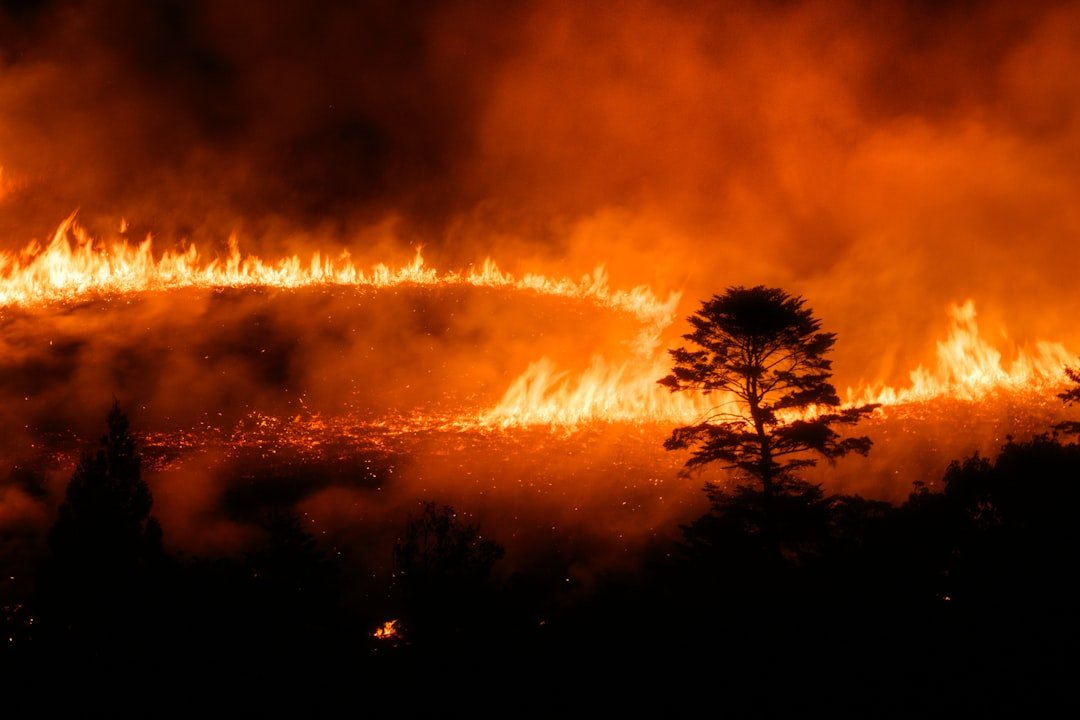
I remember learning as a kid that wildfires, as terrifying as they are, had a kind of rhythm. They’d roar during the day when the sun was high and the air was hot and dry. But at night, things would calm down. The temperature would drop, the humidity would rise, and the fire would often “lie down” or “go to sleep.”
It was a small comfort, but it was something. It gave firefighters a window to get a handle on things, to build containment lines and plan for the next day’s battle.
Well, that old rulebook has been thrown out the window.
A frightening new reality is setting in across North America. Wildfires aren’t sleeping anymore. They’re burning straight through the night, fueled by conditions that just won’t quit. And if you’re a homeowner, especially in a high-risk area, this is something you absolutely need to understand. It’s changing the very nature of wildfire risk, and it’s having a huge impact on the insurance that protects your home.
What Changed? Why Fires Are Suddenly Working the Night Shift
So, what’s going on here? Why are these fires suddenly pulling all-nighters?
The short answer, according to a recent study and what we're seeing on the ground, is human-caused climate change. It’s not a political statement; it’s just the reality of the physics involved.
Think of it like this: Nighttime used to be the fire’s recharge period for the environment. Cooler air and morning dew would act like a wet blanket, tamping down the flames.
But that’s not happening as much. Here’s the simple breakdown:
- Warmer Nights: Average nighttime temperatures are rising. The air just isn’t cooling off enough to slow the fire’s roll.
- Drier Air: The air is staying incredibly dry, even after the sun goes down. Scientists talk about something called the "vapor pressure deficit," which is basically a measure of how thirsty the atmosphere is. A high deficit means the air is literally sucking moisture out of everything—trees, grass, your wooden deck—keeping it primed to burn 24/7.
It's like the fire has a constant supply of fuel and oxygen, with no natural "off" switch. The conditions that used to be limited to the hottest part of the afternoon are now stretching late into the evening and starting again in the wee hours of the morning.
A Nightmare for Firefighters and a Threat to Homes
This isn't just an interesting weather phenomenon. It has terrifying, real-world consequences.
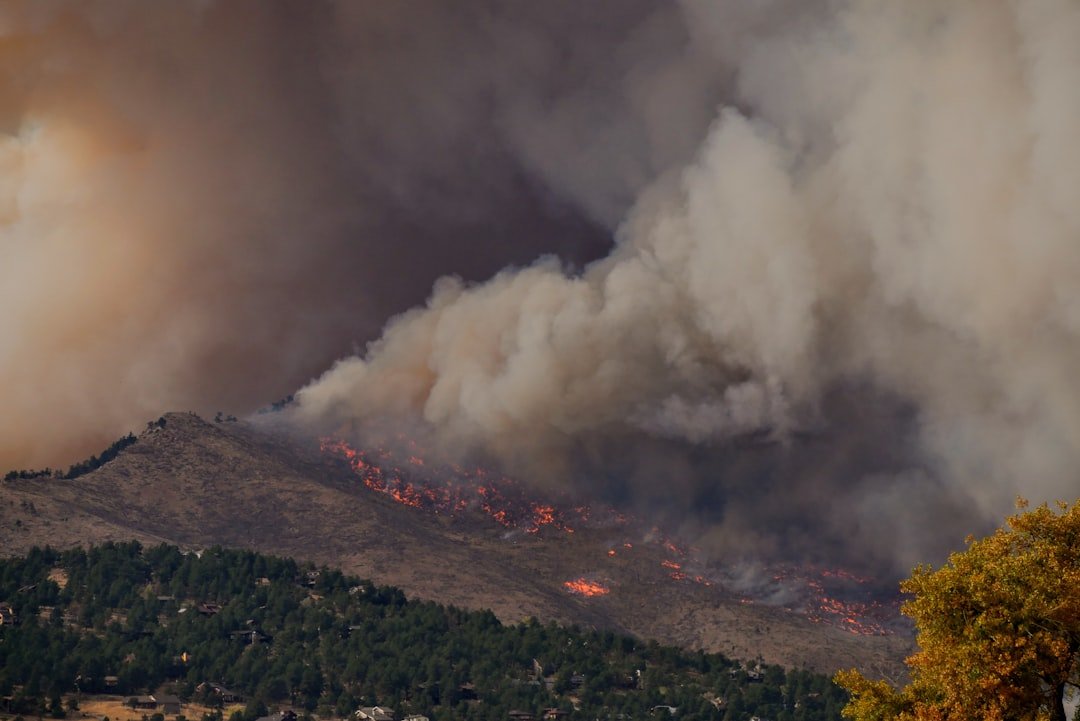
When a fire burns actively through the night, it’s a whole different beast. Firefighting efforts, which often rely on air support like helicopters and planes, are severely limited in the dark. It becomes incredibly dangerous for crews on the ground to work in unpredictable, fast-moving conditions without daylight.
So, a fire that keeps burning overnight doesn't just hold its ground—it often grows, aggressively. It can jump containment lines and be a much bigger, more monstrous threat by the time the sun comes up.
For those of us with homes near these wildland areas, this is the heart of the problem. A fire that might have been a distant threat in the evening can be on your doorstep by morning. The window for evacuation gets smaller, and the overall danger to property skyrockets.
The Insurance Ripple Effect: Why This Hits Your Wallet
Okay, let's talk about how this all connects back to your insurance policy. Because trust me, the insurance industry is paying very, very close attention to this.
For decades, insurers have used sophisticated models to predict wildfire risk. These models look at things like historical fire data, vegetation, slope, and weather patterns. But here’s the thing: many of those models were built on the old assumption that fires calm down at night.
Now, that assumption is broken.
The risk of a total loss is suddenly much higher and far less predictable. An insurer might have previously calculated that a home had a moderate risk because firefighters would likely have a 10-hour nighttime window to control a nearby blaze. With fires burning around the clock, that calculation is completely out of date.
Here’s what that means for you and me:
-
Recalibrating Risk: Insurers are scrambling to update their models to account for this new 24/7 burning cycle. They’re investing heavily in new technology and data to get a more accurate picture of the "new normal."
-
Rising Premiums: This is the most direct impact. When risk goes up, premiums follow. Insurers have to charge more to cover the increased likelihood of massive payouts. It’s not personal; it’s just math. And right now, the math is looking pretty grim.
-
Non-Renewals: In the highest-risk areas, some insurers are deciding the risk is just too great to bear at any price. We're seeing this happen all over states like California, Colorado, and Oregon. They are pulling back and choosing not to renew policies, leaving homeowners in a really tough spot.
-
A Greater Need for Mitigation: More than ever, what you do to your own property matters. Insurers are putting a huge emphasis on "home hardening" (using fire-resistant building materials) and creating "defensible space" (clearing flammable vegetation around your house). In some cases, you won't even be able to get coverage without proving you've taken these steps.
This Isn't a "Fire Season" Anymore
The other piece of this puzzle is that we're moving away from the idea of a predictable "fire season." It used to be a few months in the late summer and fall. Now, with hotter, drier conditions persisting, we're seeing major fires break out in almost any month of the year.
For the insurance industry, this changes everything. It’s no longer a seasonal risk to plan for; it’s a year-round threat. This sustained, constant pressure on the system is one of the biggest challenges the property insurance world has ever faced.
It’s forcing a complete rethinking of how we build, where we build, and how we protect our communities.
So, what can we do? It’s easy to feel a bit helpless in the face of all this, I know. But there are things we can focus on.
On a personal level, it’s all about control. You can’t stop a wildfire from starting, but you can dramatically change its behavior when it reaches your property. Taking mitigation seriously isn't just about checking a box for your insurance company; it’s the single most effective thing you can do to save your home.
From an industry perspective, we have to keep innovating. We need better predictive tools, more public-private partnerships to fund large-scale mitigation projects, and we need to have honest conversations with homeowners about the real risks they face.
The days of fires sleeping at night are over. It’s a stark reminder that our climate is changing in ways that directly affect our safety and our financial security. Understanding this new reality is the first step in learning how to adapt and live with it.