Have you looked at your lawn lately and thought, "Wow, it's dry out there"? You’re not alone. We're seeing news reports about historically low reservoirs and farmers struggling. It's easy to dismiss it as just a hot, dry spell, but I’m here to tell you, as someone who lives and breathes this stuff, it’s a much bigger deal than you might think.
These aren't just your average summer dry patches. Weather data is showing that drought across the United States has hit record levels for this time of year, with more than 61% of the contiguous U.S. experiencing some level of drought.
And here’s the thing: drought is a quiet kind of disaster. It doesn’t have the sudden, dramatic punch of a hurricane or a tornado. It creeps in. But its effects? They’re anything but quiet, and they have huge implications for your home, your wallet, and, you guessed it, your insurance. Let’s talk about what’s really going on.
Wildfire Risk is Through the Roof
Okay, let's start with the most obvious connection: fire.
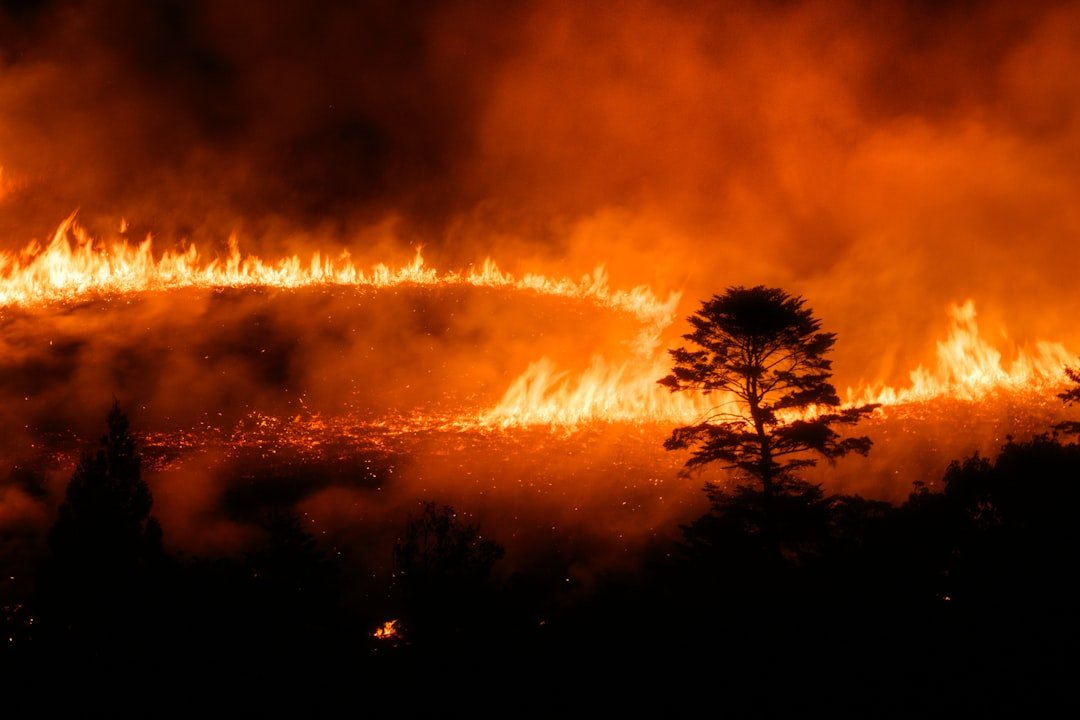
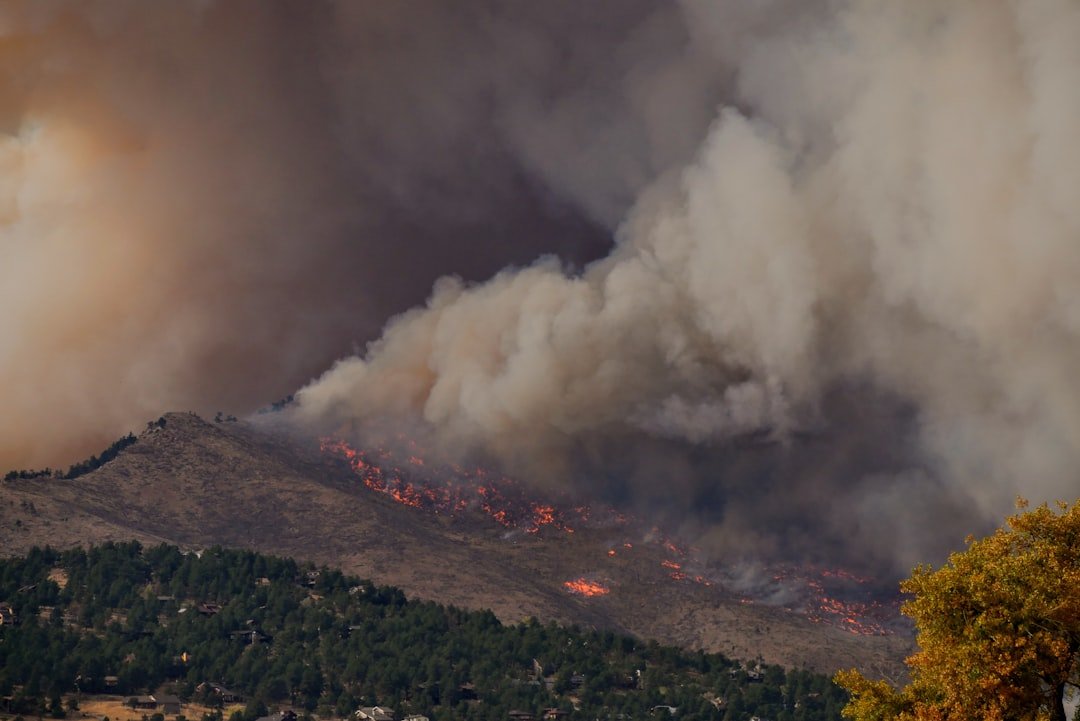
Think of the landscape like a giant pile of kindling. When everything is bone-dry for months on end—grass, shrubs, trees, even the soil itself—it doesn't take much to set off a catastrophic wildfire. A spark from a passing car, a lightning strike, a campfire that wasn’t put out properly… suddenly, you have a blaze that moves terrifyingly fast.
Meteorologists are sounding the alarm, saying these drought conditions are a terrible sign for the upcoming wildfire season. For homeowners, especially those in the West or in areas near wildlands, this is a massive red flag.
What does this mean for your homeowners policy?
Your standard homeowners insurance policy almost always covers damage from fire. That's the good news. If a wildfire damages or destroys your home, your policy is your financial lifeline to rebuild.
But here’s the catch. As the risk gets higher, insurance companies get more nervous. In high-risk areas, we're seeing a few trends:
- Higher Premiums: It’s simple risk and reward. More risk means you’ll pay more for coverage.
- Stricter Underwriting: Insurers are looking much more closely at a property's specific fire risk. They might require you to clear brush and create "defensible space" around your home before they’ll even offer you a policy.
- Non-Renewals: In the most extreme-risk areas, some companies are deciding to stop offering coverage altogether. It’s a tough situation that leaves homeowners scrambling for options.
So, while you’re probably covered for fire, this drought is a powerful reminder to not take that coverage for granted.
The Sneaky Damage Caused by a Lack of Water
Wildfire is the big, scary monster, but drought causes other, more subtle problems for your property that can be just as damaging.
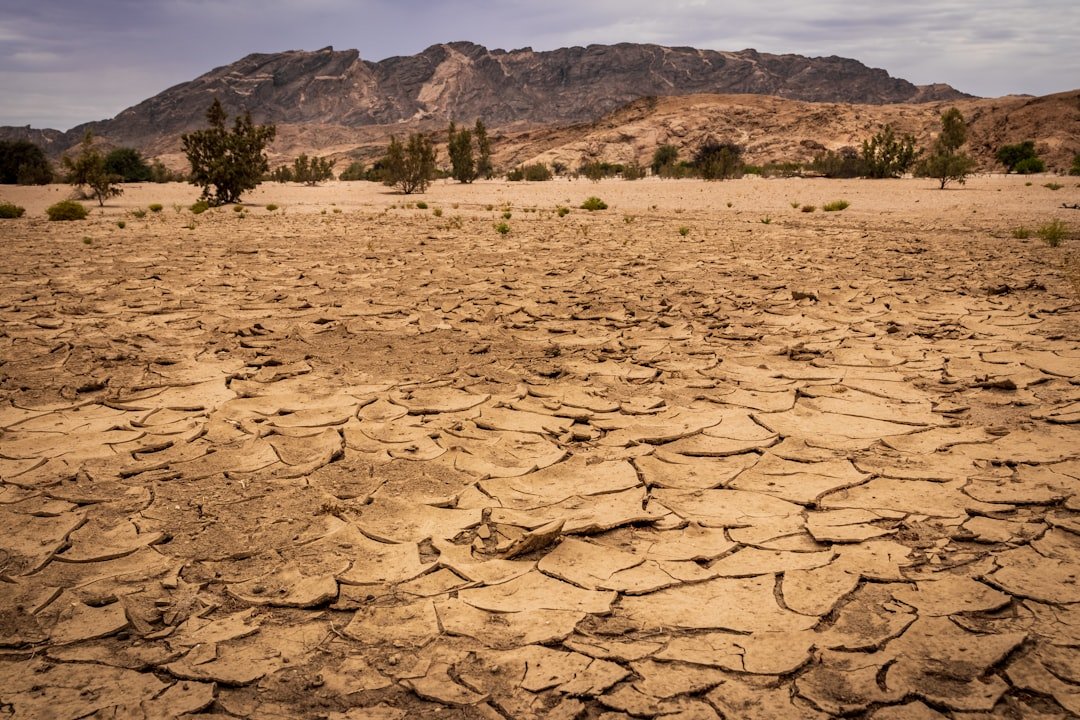
When the ground gets incredibly dry, the soil contracts and shifts. It's like a sponge that's been left out in the sun—it shrinks and cracks. Now, imagine your home’s foundation is sitting on top of that shrinking, shifting sponge.
This can lead to serious and expensive foundation problems. We’re talking about cracks in your walls, doors that won’t close properly, and even broken pipes. It’s a slow-motion problem that can cause thousands of dollars in damage.
The tricky part? Damage from ground movement or "earth settling" is often excluded from standard homeowners policies. You might need a special endorsement or a separate policy to be covered, and many people don’t realize this until it’s too late.
Your Grocery Bill is Telling the Story, Too
"Okay," you might be thinking, "wildfires and foundation cracks are scary, but I don't live in a high-risk area. How does this affect me?"
Take a look at your last receipt from the grocery store. See those prices for produce, meat, and dairy? The drought has a direct hand in that.
Farming is a tough business that depends entirely on the weather. When there’s no rain:
- Crops fail.
- Pastures for cattle to graze on dry up.
- The cost of water and feed for livestock skyrockets.
This is where a specific type of insurance, called Crop Insurance, comes into play. It’s a crucial safety net for farmers, helping them survive financially when a drought (or a flood, or a hailstorm) wipes out their harvest.
But even with insurance, a bad harvest is a bad harvest. It means there’s less food in the supply chain. And basic economics tells us that when supply goes down and demand stays the same, prices go up. For all of us. The financial hit that starts on the farm eventually makes its way to every single aisle of the supermarket.
So, What Should You Be Doing Right Now?
It’s easy to feel a little helpless when talking about something as big as a nationwide drought. But you can absolutely take steps to protect yourself and your finances.
1. Pull Out Your Insurance Policy (Yes, Really). I know, I know, nobody enjoys reading insurance documents for fun. But you have to know what you’re paying for. Look specifically for your dwelling coverage limit—is it enough to completely rebuild your home today? Check for any specific exclusions related to wildfire or earth movement.
2. Call Your Agent. This is the single best thing you can do. Your insurance agent’s job is to help you navigate this. Ask them point-blank: "Given the drought and fire risk in our area, am I properly covered?" They can review your policy with you and suggest any changes that might make sense.
3. Be Proactive at Home. If you live in a fire-prone area, take "defensible space" seriously. This means clearing dead leaves, trees, and other flammable materials from the area immediately around your house. It not only makes your home safer but can also make you a more attractive customer to insurance companies.
The bottom line is that these record droughts are more than just a weather headline. They are actively changing the risk landscape for all of us. Being aware and making sure your financial safety net is strong is no longer just a good idea—it’s an absolute necessity.