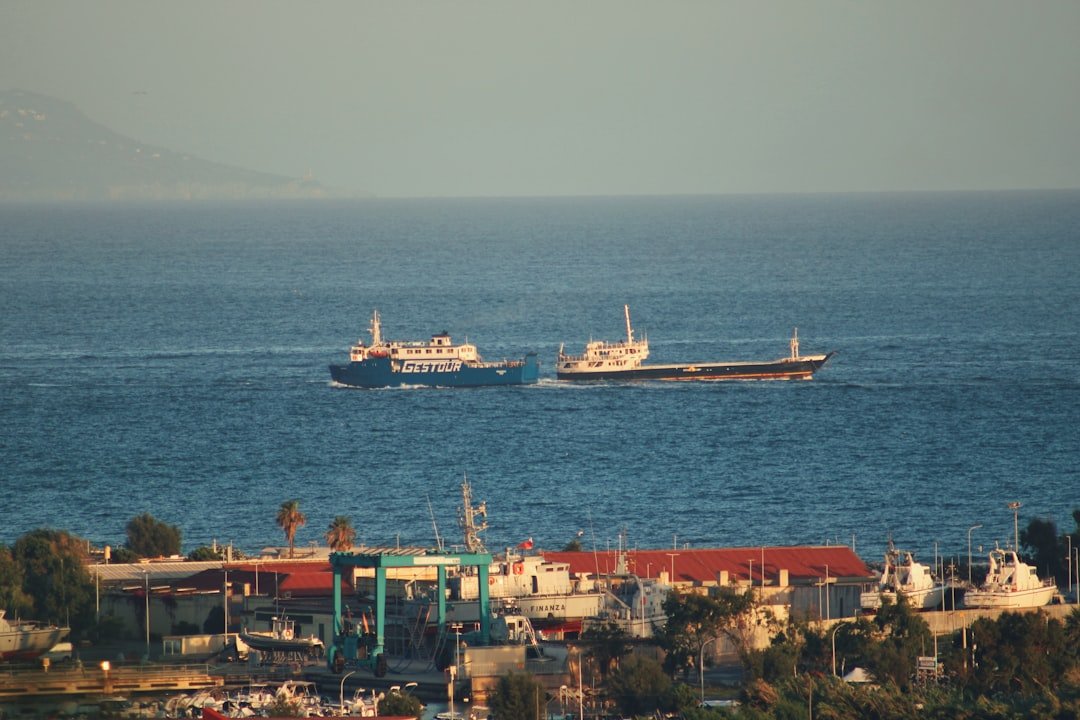
Have you ever seen one of those massive tankers out on the ocean? They’re like floating skyscrapers, carrying the fuel that powers our world. It’s easy to think of them just chugging along from point A to point B. But the truth is, every single voyage is a massive, calculated risk.
And right now, a tiny news blip is giving us a fascinating peek behind the curtain. The story is that two Indian-flagged tankers carrying liquefied petroleum gas (LPG) are getting ready to sail through the Strait of Hormuz. This comes after a noticeable pause in voyages, and we've also seen that no crude oil tankers have made the trip in the last 24 hours.
Now, you might be thinking, "Okay, two ships are moving. So what?" But in the world of insurance, this isn't just a shipping update. It's a high-stakes drama about risk, money, and geopolitics. Let’s unpack what’s really going on.
What's the Big Deal About the Strait of Hormuz?
First things first, let's talk about the location. The Strait of Hormuz isn't just any old stretch of water. Think of it as the world's most important oil and gas superhighway. A huge chunk of the world's energy supply passes through this incredibly narrow chokepoint every single day.
Because it's so critical, it’s also a major geopolitical hotspot. Tensions in the region can flare up in an instant. For shipping companies and their insurers, sending a vessel through the Strait of Hormuz is like walking a tightrope. You hope for the best, but you have to be prepared for the worst.
This is where marine insurance gets really interesting. Standard policies don't typically cover things like acts of war, terrorism, or seizure by a foreign power. For that, you need something extra.
The Invisible Shield: War Risk Insurance
When a ship enters a high-risk area, like the Strait of Hormuz, the owner has to buy a special, additional policy called "war risk insurance."
Think of it like this: your regular car insurance covers you for accidents and theft. But if you decided to drive your car through a known warzone, your standard policy wouldn't touch that with a ten-foot pole. You'd need a specialized (and very expensive) add-on to cover that unique danger.
That's exactly what war risk insurance is for ships. It covers the stuff of nightmares:
- Damage from missiles, mines, or attacks
- The ship being captured or detained
- Losses due to political conflicts
Here's the catch: these premiums aren't fixed. They can change literally overnight. If tensions rise in the region, insurers will immediately increase the rates for any ship wanting to pass through.
So, Why Did the Ships Pause in the First Place?
This brings us back to those Indian tankers. When the news says there was a "pause in voyages," it wasn't because the crews were taking a vacation. It was almost certainly an insurance and risk management decision.
A pause usually means one of a few things is happening behind the scenes:
- The Premiums Spiked: An event might have happened that made insurers jack up the war risk premiums to an astronomical level. The shipowner would then have to decide if the cost of the insurance made the entire trip unprofitable.
- Negotiations Were Underway: The shipowner and their broker were likely in intense negotiations with the underwriters, trying to get a better rate or more favorable terms.
- A Security Reassessment: The company was probably re-evaluating the security situation, waiting to see if the threat level would decrease.
Sending a multi-million dollar vessel full of explosive gas into a high-risk zone without the right insurance is unthinkable. So, they wait. The fact that no crude oil tankers have transited recently suggests this wasn't just an isolated decision by one company; it was likely a market-wide reaction to perceived risk.
What Changed? Why Are They Sailing Now?
The fact that these two LPG tankers are now preparing to sail tells us that something has shifted. We might not know the exact details, but we can make some educated guesses.
It could be that the shipowner finally agreed to pay the higher premium, deciding the cost was worth it to deliver their cargo. Or perhaps their broker successfully negotiated a more manageable rate. It's also possible that new security intelligence suggests the immediate threat has subsided slightly, giving insurers just enough confidence to underwrite the voyage at a price the owner is willing to pay.
This is a constant dance between risk and reward. The shipowner wants to deliver their cargo and make a profit. The insurer wants to collect a premium without having to pay out a catastrophic claim. The movement of these two ships signals that, for now, they've found a delicate balance they can both live with.
Why This Matters More Than You Think
This might all seem like a distant problem for giant corporations, but these insurance sagas have a real ripple effect that can reach all of us.
When insurance costs for shipping go up, that cost doesn't just disappear. It gets passed down the line. The shipping company charges more for transport. The energy company pays more to receive the fuel. And eventually, that can translate to higher prices at the gas pump or on your home heating bill.
These small news items about a couple of tankers are a barometer for global stability and economic health. They show us how interconnected everything is—a political spat in one part of the world can make it more expensive to insure a ship, which in turn can impact household budgets thousands of miles away. It’s a powerful reminder that in our globalized world, risk is something we all share, whether we realize it or not.