You can feel it in the air, can’t you? That thick, heavy heat that makes the pavement shimmer and has everyone running for the sweet relief of air conditioning. We’re seeing it right now across the Northeast, with cities like New York sweltering through the hottest days of the year.
Most people just think about their comfort and their electric bill. But as someone who’s spent years in the insurance world, when I see temperatures soaring and news reports about the power grid being strained, my mind goes somewhere else entirely. I'm thinking about risk.
Because that heatwave isn’t just an inconvenience. It’s a pressure cooker for a whole host of problems that can land right on your doorstep—and straight into an insurance claim.
So, What's the Big Deal with a Little Heat?
It sounds simple, right? It gets hot, we all turn on our ACs. But when you have nearly 143 million people from the Midwest to Maine all doing the same thing at the exact same time, it puts an incredible strain on our electrical grid.
Think of the power grid like the plumbing in an old house. On a normal day, it works just fine. But when everyone in the family decides to take a long shower, run the dishwasher, and water the lawn at the exact same time... the pressure drops. Pipes start to groan. That's precisely what's happening to our grid, but with electricity.
When demand skyrockets past what the system was built to handle, utility companies have to make tough choices. Sometimes that means "brownouts" (a dip in power), and other times it means "blackouts" (a total loss of power) to prevent the whole system from collapsing. And that’s when things get interesting from an insurance perspective.
When the Lights Go Out: What Your Homeowners Policy Actually Covers
Okay, so the power’s out. The first thing you probably think about is that freezer full of food you just stocked up on. Is it covered?
The answer is… maybe. It’s one of the most common "it depends" situations in insurance.
Here’s the thing: most standard homeowners and renters policies offer some coverage for food spoilage, but there are usually strings attached.
- The Cause Matters: Often, the policy will only pay out if the power outage was caused by a "covered peril" that happened on your property. For example, if lightning strikes your house and shorts the system, you’re likely covered. If a tree from your yard falls on your power line, you're probably good.
- The Grid Problem: But what if the outage is because the utility company intentionally shut down power to manage the strained grid during a heatwave? That's a gray area. Some policies specifically exclude this, while others might cover it. You absolutely have to read the fine print or, even better, call your agent and ask directly.
- Deductibles: Even if you are covered, your policy’s deductible will apply. If you have a $1,000 deductible and you lost $400 worth of groceries, filing a claim doesn’t make sense. Many policies have a smaller, separate limit for food spoilage, like $500, which might be less than your main deductible.
It’s not just about the food, either. If a prolonged outage makes your home unlivable (imagine no AC in 100-degree heat for days), your "Additional Living Expenses" coverage might kick in to help pay for a hotel. But again, the cause of the outage is the critical factor.
For Business Owners, It's More Than Just Spoiled Sandwiches
If you're a business owner, a heatwave-induced blackout can be devastating. We're talking about way more than a few melted ice cream tubs.
For restaurants, florists, or grocery stores, spoilage can mean thousands of dollars in lost inventory. But the bigger, scarier issue is Business Interruption. This is the coverage that’s supposed to replace your lost income when you’re forced to shut down due to a covered event.
But just like with homeowners insurance, the "why" behind the blackout is everything. If the power went out because a transformer down the street blew up in a storm, your Business Interruption coverage will likely respond.
If it’s a rolling blackout ordered by the power company? You could be out of luck. Many business policies specifically exclude losses from utility service interruptions unless there’s direct physical damage that caused the interruption. It's a tricky distinction, and it’s one that has surprised countless business owners.
This is where specialized coverage like Equipment Breakdown becomes your best friend. This policy covers... well, your equipment breaking down! This can include damage to your HVAC systems, refrigerators, or critical machinery from the stress of the heat or the power surges that often happen when the grid comes back online.
The Silent Killer: Power Surges and Your Electronics
Let's talk about that moment when the power finally clicks back on. The lights flicker, and you hear the hum of the refrigerator starting up again. Relief!
But that surge of electricity rushing back through the lines can be a death sentence for your sensitive electronics. Your TV, your computer, your smart-home gadgets, even your major appliances can all get fried in an instant.
Will your homeowners policy cover it? Yes, most policies do cover damage from power surges. But again, that pesky deductible applies. It might not be worth filing a claim for a single damaged TV, but if the surge takes out your entire entertainment system and your new refrigerator, it’s a different story.
This is where a little prevention goes a long way. Using high-quality surge protectors for your valuable electronics is one of the smartest, cheapest pieces of "self-insurance" you can buy.
Let's Be Proactive: A Few Smart Moves Before the Next Heatwave
Look, we know these heatwaves are becoming more common and more intense. Waiting for the lights to go out is not a strategy. It's time to be prepared.
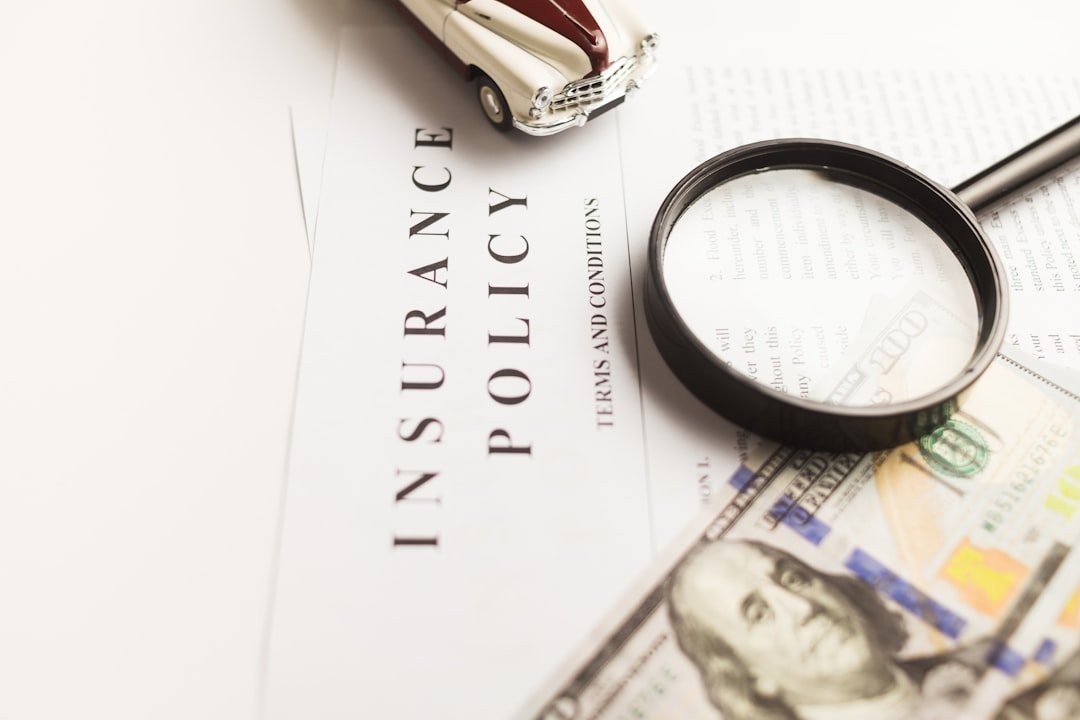
- Read Your Policy (Seriously!): I know, I know. It’s not exactly beach reading. But take 30 minutes and find the sections on "Utility Services" and "Food Spoilage." See what the exact language says.
- Call Your Agent: This is the easiest way. Just ask them directly: "If there's a rolling blackout this summer because of the heat, what am I covered for?" Let them do the heavy lifting and explain it in plain English.
- Review Your Deductibles: Know what your deductible is. If it’s $2,500, you need to understand that you'll be handling most smaller losses out of pocket.
- Business Owners—Get Specific: Ask your agent about adding a specific "Utility Service Interruption" endorsement to your policy. It costs a bit more, but it can be the difference between surviving a blackout and closing your doors.
At the end of the day, an insurance policy is a promise—a promise to help you recover when something unexpected happens. But it's up to you to understand the terms of that promise before you need it. So as the temperature rises, take a moment to cool off, grab your policy documents, and make sure you’re truly ready for whatever the summer throws at you.