It’s easy to forget that almost everything we own—our phones, our cars, the coffee we drink—spent time on a ship. We see global trade as a seamless flow of goods, but it all depends on real people, on seafarers who spend months away from their families to keep the world running.
And right now, for about 20,000 of them, that job has turned into a nightmare.
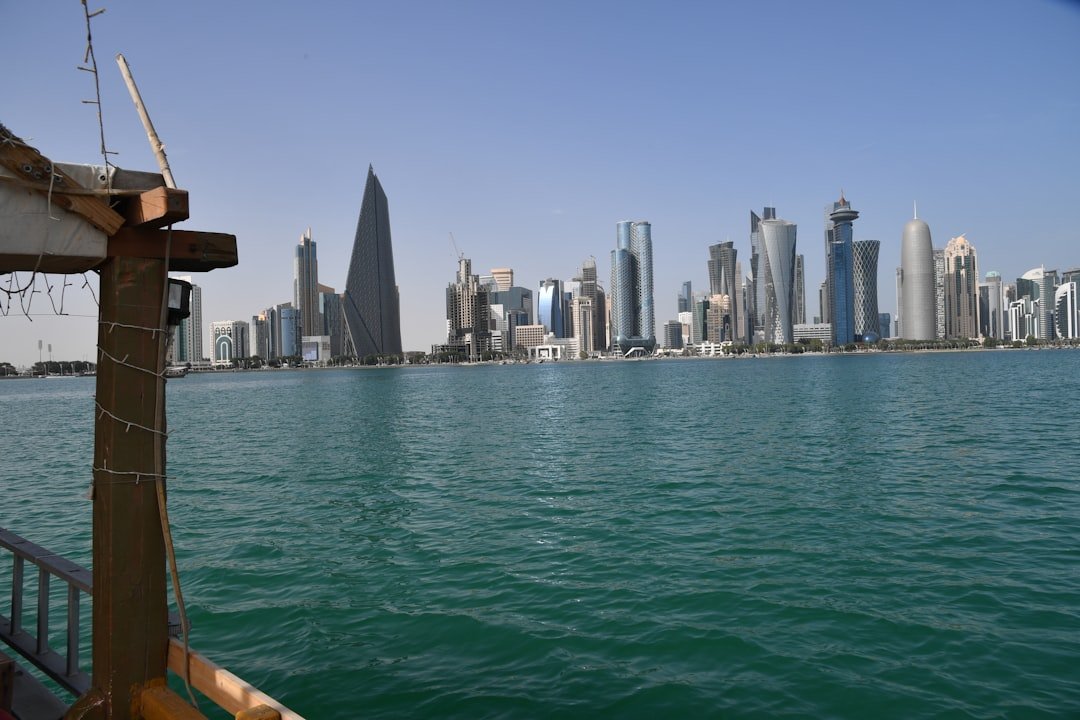
They’re stranded. Stuck on hundreds of vessels anchored in the Gulf, caught in the crossfire of geopolitical tensions. Since Tehran made threats to attack ships in the region, the waters have become a high-stakes waiting room. For these crews, it’s not just a delay. It’s a crisis. And for those of us in the insurance world, it’s a flashing red light on the risk dashboard.
So, What’s Actually Happening Out There?
Let’s break it down. Imagine a massive, invisible roadblock has been thrown up across one of the world's most critical shipping lanes. That’s essentially the situation in the Gulf.
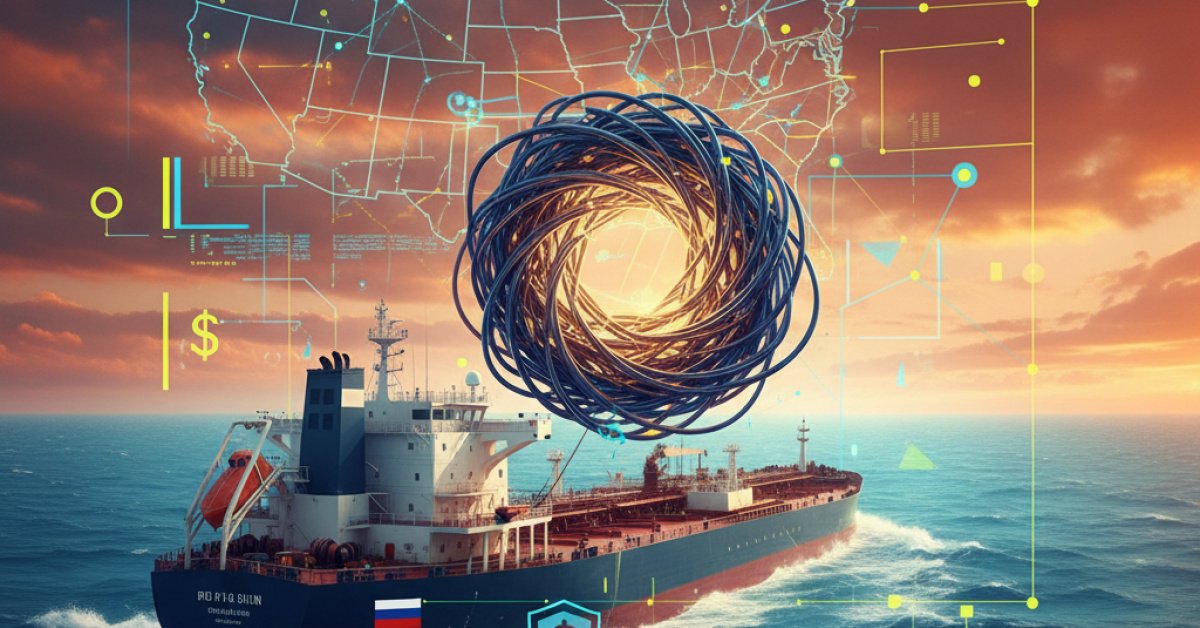
Hundreds of commercial vessels, from massive container ships to oil tankers, have been forced to drop anchor. They can’t move forward, and they can’t easily turn back. They’re stuck in limbo, waiting for a political storm to pass.
The problem is, a ship isn't like a parked car. It’s a workplace and a home for its crew. These are floating communities with limited supplies, and more importantly, with people on board who have families waiting for them, contracts that are ending, and a growing sense of uncertainty and fear.
The Human Cost is More Than Just a Number
When we hear a number like "20,000 seafarers," it's hard to grasp the scale. But think about it this way: that's a small city's worth of people trapped at sea.
These aren't just statistics; they are captains, engineers, cooks, and deckhands from all over the world. They signed up for a tough job, but they didn’t sign up to be pawns in a conflict. The psychological toll of being stranded indefinitely, with the threat of attack looming, is immense.
This is where the situation moves from a logistical problem to a humanitarian one. And it’s a massive concern for the P&I (Protection & Indemnity) Clubs that insure shipowners against liabilities related to the crew. The health, safety, and well-being of these seafarers are paramount, and the longer this drags on, the higher the risk.
The UN Steps In: A Glimmer of Hope
Thankfully, people are working on a solution. The UN’s shipping agency has stepped forward with a serious proposal: create a "safe maritime corridor."
Think of it like a designated, protected lane on a highway, but for the sea. The idea is to establish a route that would be declared a safe zone, allowing these stranded vessels and their crews to sail out of the high-risk area without fear of being targeted.
It’s a complex diplomatic effort, of course. It requires agreement and cooperation from all sides of the conflict, which is never easy. But it’s a critical, and honestly, a necessary step to prevent a humanitarian disaster and get these people home.
Why This is a Huge Deal for Marine Insurance
Okay, let's talk shop. For anyone in marine insurance, this situation is a textbook example of what we call "accumulated risk." You don't just have one ship in a danger zone; you have hundreds, all concentrated in one small area. The potential for a catastrophic loss event is terrifyingly high.
Here’s a quick look at the insurance policies getting stress-tested right now:
- War Risk Insurance: This is the big one. Standard marine policies typically exclude acts of war. War Risk policies are specifically designed to cover these events. Underwriters are watching this with bated breath. A single attack on one of these vessels could trigger massive claims and send premiums for the entire region through the roof.
- P&I Clubs: As I mentioned, these clubs are on the hook for the crew. This includes everything from medical care and potential repatriation costs to mental health support. The well-being of 20,000 people is a staggering liability.
- Loss of Hire / Business Interruption: These ships aren't earning money while they're sitting at anchor. Shipowners who have this coverage will likely be looking to file claims for the income they’re losing every single day these vessels are idle. The numbers add up incredibly fast.
- Cargo Insurance: Let's not forget the billions of dollars worth of goods sitting in the holds of these ships. That cargo is insured, and if it's perishable or time-sensitive, the delays alone could trigger a cascade of claims.
The proposed safe corridor isn’t just a humanitarian mission; it’s a massive de-risking event for the entire global insurance industry. Getting those ships and crews out safely is the best possible outcome for everyone—it saves lives and prevents a tidal wave of complex, expensive claims.
This whole situation is a stark reminder that our industry doesn’t operate in a vacuum. Geopolitics, trade, and human lives are all deeply intertwined. What happens in a narrow strait on the other side of the world can have a ripple effect that touches every part of our business. Let's hope this corridor becomes a reality, and fast. For the sake of those 20,000 people, first and foremost.