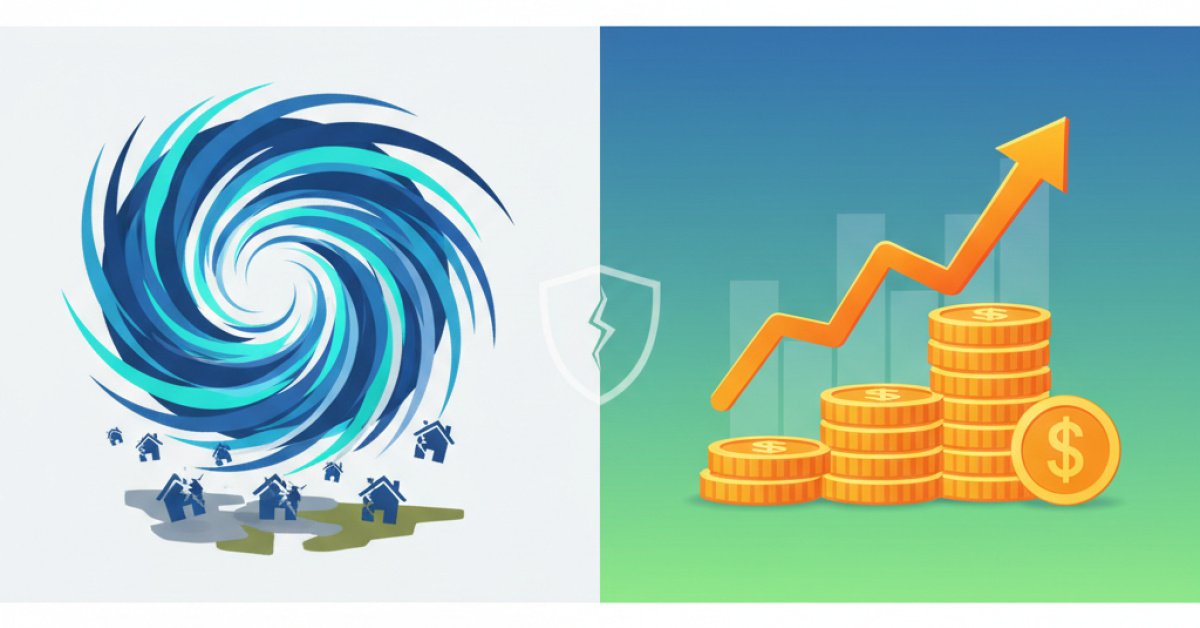
Have you ever noticed that eerie silence right before a big storm hits? The wind dies down, the birds stop chirping, and everything just feels… still. In a lot of ways, that’s what the last year has felt like in the world of insurance catastrophes.
Things have been surprisingly quiet. We haven't seen the headline-grabbing, industry-shaking events that we’ve grown accustomed to. For insurers, a quiet year is a good year. It means fewer massive payouts, healthier balance sheets, and a chance to catch their breath.
But anyone who has been in this business for a while knows that the quiet never lasts.
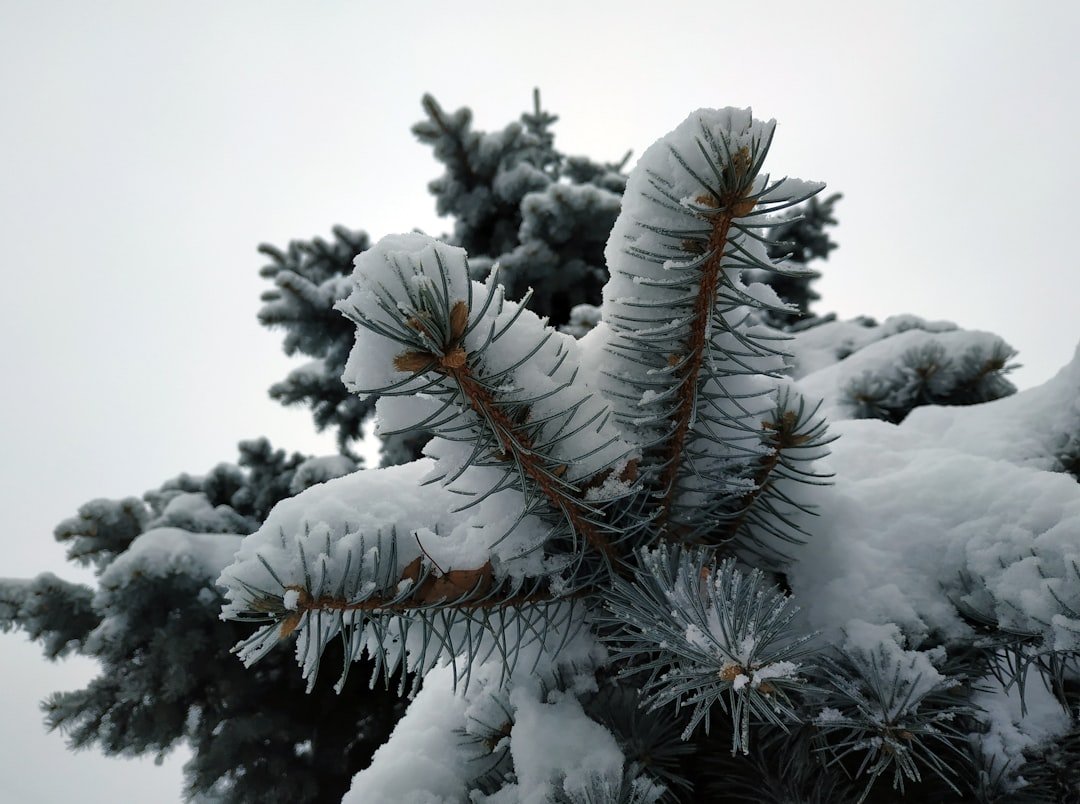
And right now, that quiet is being shattered by the roar of a massive winter storm sweeping across the country. This isn't just another snow day. This is a major event, and it’s shaping up to be a critical turning point for insurers who might have gotten a little too comfortable.
So, What's the Big Deal About This Storm?
When we talk about catastrophes, our minds usually jump to hurricanes or massive wildfires—single, dramatic events that cause billions in damage in a concentrated area. A winter storm can feel different, almost less threatening. But that’s what makes this one so dangerous from an insurance perspective.
This isn't one giant event. It's thousands of smaller, destructive events happening all at once, across a huge swath of the country.
Think of it like this: a hurricane is like a single, giant boulder crashing through a house. The damage is immense and obvious. A systemic winter storm is like a million tiny leaks springing up in every pipe, on every roof, and in every basement across a dozen states. Each individual claim might not be a blockbuster, but the sheer volume is staggering.
We’re talking about:
- Frozen and burst pipes in homes and businesses.
- Roof collapses from the weight of heavy snow and ice.
- Widespread power outages leading to business interruption claims.
- A surge in auto accidents on icy, treacherous roads.
It’s a cascade of problems. One issue triggers another, and they all add up to what we in the industry call a "systemic loss." It’s a widespread, interconnected event that stresses the entire system, not just one part of it.
The View from the Insurer’s Desk
Let’s pull back the curtain for a second. If you're an insurance executive right now, you’re not just watching the weather forecast; you're watching your entire risk model get put to the test in real-time.
After a relatively peaceful year, an event like this is a massive jolt. The phones in claims departments are ringing off the hook. Adjusters are being deployed to multiple states. And the finance folks are starting to run the numbers on what could be a multi-billion dollar event.
The real challenge here is the breadth of the impact. This storm isn’t just hitting one line of business; it’s hitting almost all of them simultaneously.
A One-Two Punch for Personal and Commercial Lines
On the personal side, you have an avalanche of homeowners claims. A burst pipe can easily cause tens of thousands of dollars in water damage. A collapsed roof is a total loss. Then you have the auto claims—fender benders, multi-car pileups, and vehicles sliding off the road.
On the commercial side, it’s even more complex. A factory that loses power for a week isn’t just dealing with property damage; they're facing massive business interruption losses. Supply chains get snarled. Retail stores can't open. Every hour they're closed is money lost, and much of that is covered by insurance.
Frankly, it’s this combination of high-frequency, moderate-severity claims that can be incredibly painful for an insurer's bottom line.
Why We're Calling This a "Turning Point"
This storm is more than just a bad week for claims. It feels like a genuine turning point, a sign that the patterns we thought we knew are changing.
For years, the industry has been focused on modeling for hurricanes in the Gulf and wildfires out West. But are those models sophisticated enough to predict the cascading effects of a deep freeze that paralyzes a third of the country? This event will be a major test of those assumptions.
It’s also a wake-up call about capital. A quiet year can sometimes lead to a false sense of security. This storm is a stark reminder that insurers need to have immense capital reserves ready to go at a moment's notice. It will separate the well-prepared carriers from those who were caught flat-footed.
And you can bet the reinsurers—the insurance companies for insurance companies—are watching this with hawk eyes. An event of this magnitude will almost certainly have a ripple effect on reinsurance rates and renewals next year. It proves that significant risk can come from unexpected places, and that proof always comes with a price tag.
So, as the snow and ice begin to melt, the real work for the insurance industry is just beginning. This storm isn't just an event to be managed; it's an event to be learned from. It’s a powerful, and costly, reminder that in our line of work, the quiet is always temporary, and you have to be ready for when the storm finally hits.