When the winds die down and the rain finally stops, it’s easy to think the worst is over. For the people on the ground, the long road to recovery is just beginning. But for those of us in the insurance world, that’s when a different kind of storm starts to brew—the financial one.
And with Hurricane Melissa, it looks like that financial storm is going to be a big one.
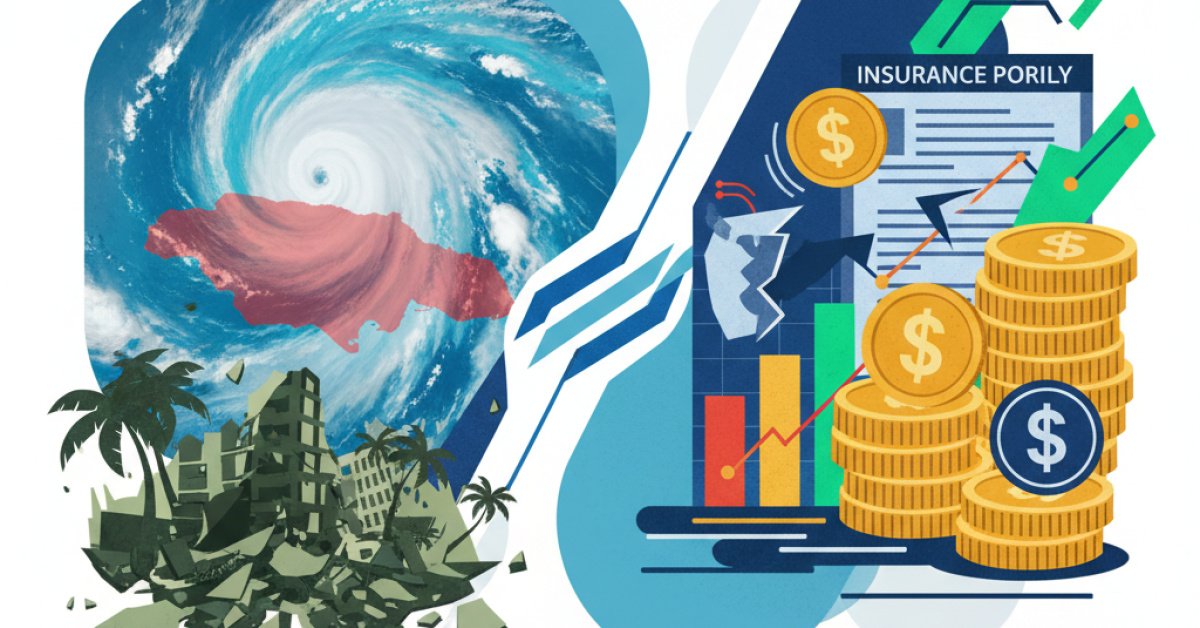
The first numbers are starting to roll in, and they’re pretty staggering. The folks over at Karen Clark & Co. (KCC), one of the top catastrophe modeling firms, are estimating that privately insured losses from Melissa will hit a whopping $2.4 billion.
Let that number sink in for a minute. That's not the total cost of the damage, which is always much higher. That’s just the slice of the pie that insurance companies are on the hook for. It's a huge figure, and it tells a story about the storm's power and the real-world impact on homes and businesses.
So, Where Does a Number Like $2.4 Billion Even Come From?
You might be wondering how anyone can come up with such a specific number so quickly. It’s not a guess. It’s the result of some seriously impressive science and data crunching.
Think of a company like KCC as the financial weather forecasters of the insurance industry. They don't just look at a storm and say, "Yep, that looks expensive." They build incredibly complex computer models that simulate the hurricane's path, wind speeds, and storm surge.
Then, they overlay that data onto detailed maps of the affected areas, which include information about:
- What kinds of buildings are there (homes, storefronts, factories)
- How those buildings were constructed
- What the insurance policies in that region typically cover
By combining the physics of the storm with the financial data of the insurance policies, they can predict with a pretty high degree of accuracy what the final bill for insurers will look like. It’s a fascinating mix of meteorology, engineering, and finance.
This initial $2.4 billion estimate from KCC is what we call a "modeled loss." It gives insurers, reinsurers, and the entire market an early look at the financial fallout, so they can start preparing to pay out claims and manage their capital.
A Closer Look at the Damage in Jamaica and Cuba
This isn't just an abstract number; it represents real damage to real property. KCC’s estimate specifically covers privately insured losses to residential, commercial, and industrial properties across Jamaica and Cuba.
Let’s break that down.
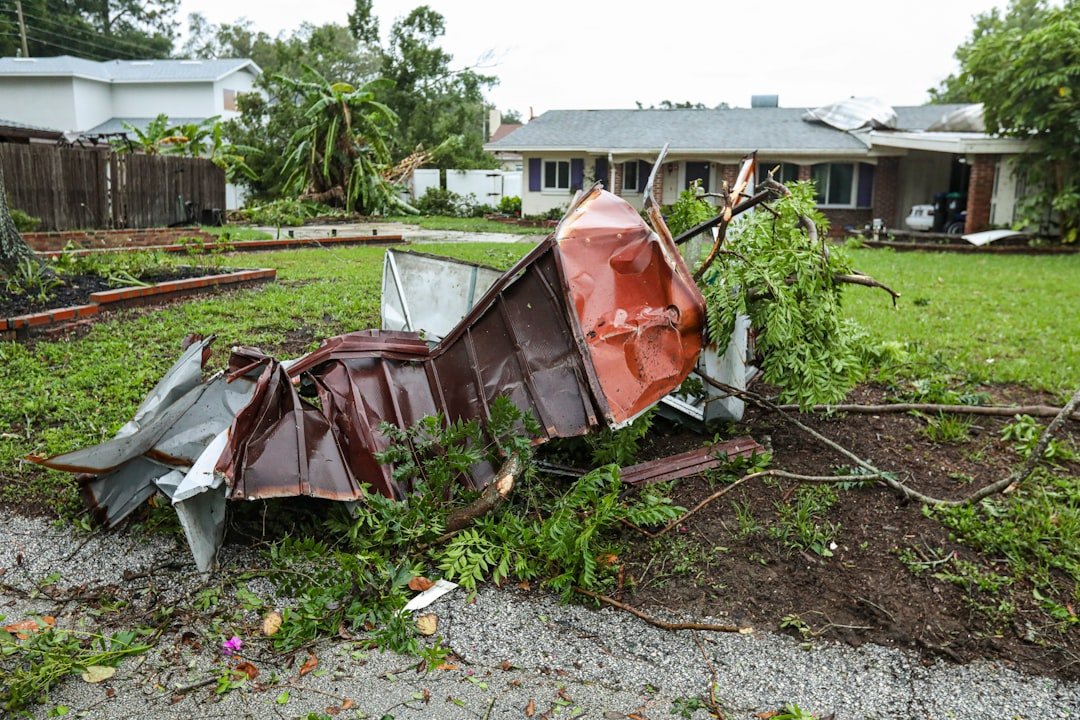
- Residential Properties: This is the most personal part of the loss. We're talking about people's homes—roofs torn off, windows shattered, and belongings destroyed by wind and water. This part of the number represents families who are now relying on their homeowners' insurance to start rebuilding their lives.
- Commercial Properties: Think about all the local businesses that make a community run. This includes everything from small corner shops and restaurants to hotels and office buildings. When these are damaged, it’s not just a property loss; it’s a loss of income and jobs for the entire area.
- Industrial Properties: This covers the bigger stuff—warehouses, manufacturing plants, and other large-scale facilities. Damage here can be incredibly expensive to repair and can have ripple effects on supply chains far beyond the storm's immediate path.
The key phrase here is "privately insured." This estimate doesn't include damage to government buildings, public infrastructure like roads and bridges, or—and this is the truly heartbreaking part—the losses suffered by people who didn't have insurance. The total economic impact of Hurricane Melissa will be far, far greater than this $2.4 billion figure.
Why This Matters, Even If You're Miles Away
Okay, so a big storm hit the Caribbean and it's going to cost insurers a lot of money. Why should that matter to you if you live in, say, Ohio or California?
Here’s the thing: the insurance world is a lot more connected than most people realize. Think of it like a global ecosystem. A major event in one part of the world can absolutely have an impact on another.
Large-scale catastrophes like this are a major reason why your insurance company buys its own insurance, which we call reinsurance. When a hurricane results in billions of dollars in claims, it’s the reinsurers who step in to help cover those massive payouts. This prevents any single insurance company from going under after a bad storm season.
But when reinsurers have to pay out billions, they often respond by raising their own prices the next year. And guess what? Those higher costs for the insurance companies can eventually get passed down to you and me in the form of higher premiums. It's not always a direct line, but a series of major, costly events can definitely make insurance more expensive for everyone.
This $2.4 billion loss from Melissa, on its own, might not move the needle dramatically. But it’s part of a trend of increasingly frequent and severe weather events that are putting a real strain on the entire industry. It’s a stark reminder that we’re all in this together, and it highlights just how vital the role of insurance is in a world where disasters can strike at any moment. It’s the financial backstop that allows communities to get back on their feet.