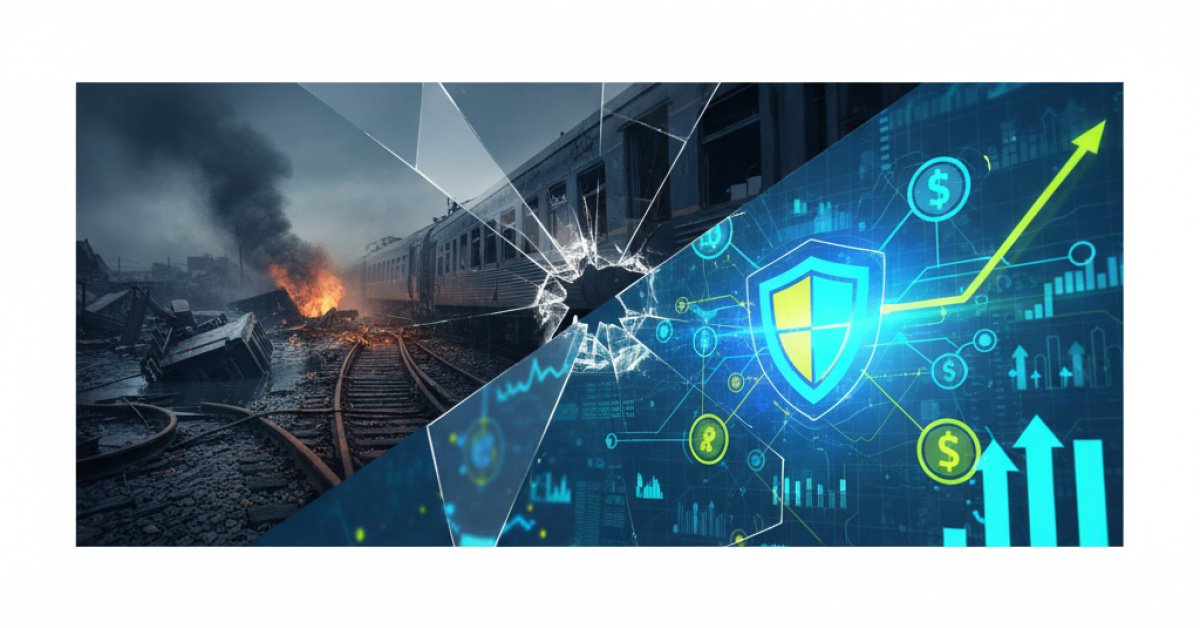
Do you remember the images from East Palestine, Ohio? It’s hard to forget. The plume of black smoke, the stories from families forced to evacuate, the sheer uncertainty of it all. It was a disaster that felt like a movie, but for thousands of people, it was terrifyingly real. It was also one of the worst train derailments we’ve seen in a long, long time.
When something that catastrophic happens, the fallout is immense. You have the immediate human cost, the environmental cleanup, and then you have the questions. How did this happen? And, maybe more importantly, what are we doing to make sure it never happens again?
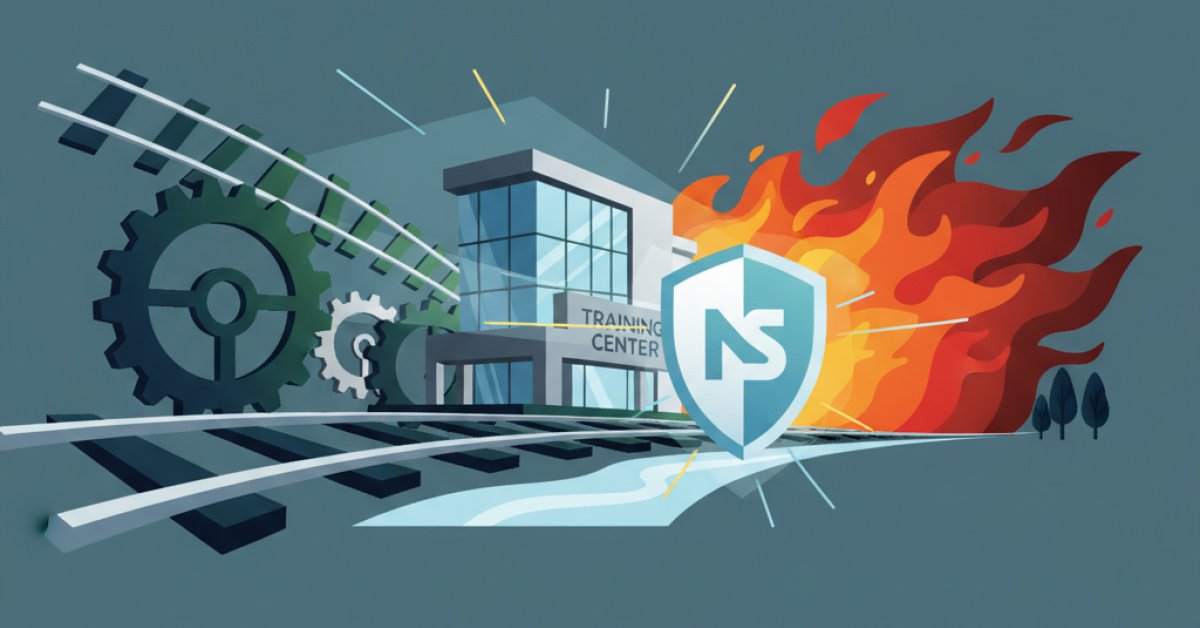
Well, it looks like we have part of an answer. Norfolk Southern, the railroad at the center of the derailment, is working with the state of Ohio and Youngstown State University to bring back a pretty major plan: a $20 million training center for first responders, built right near the site of the disaster.
It’s a big move, and honestly, it’s a complicated one. Let’s unpack what’s happening and what it really means.
What's the Plan for This $20 Million Center?
At its core, the idea is to build a state-of-the-art facility dedicated to training firefighters and other emergency personnel on how to handle disasters just like the one in East Palestine. Think about it: when that train went off the rails, local fire departments were suddenly faced with a chemical spill and a massive fire that was far beyond a typical house or warehouse blaze.
This is a whole different ballgame. You’re dealing with hazardous materials, complex logistics, and the need for highly specialized equipment and knowledge.
So, this new center is designed to be a place where first responders can get hands-on experience without the life-or-death pressure of a real emergency. It’s like a flight simulator for firefighters. They can practice containing chemical spills, fighting industrial-scale fires, and coordinating a massive, multi-agency response. It’s the kind of training that can turn chaos into a controlled, effective operation.
The $20 million price tag tells you this isn't just a couple of classrooms and a PowerPoint presentation. We're talking about a serious investment in infrastructure designed to simulate the worst-case scenarios.
Why Bring in the State and a University?
Here’s where things get interesting. This isn’t just a Norfolk Southern project. They’ve partnered with the state of Ohio and Youngstown State University, and that’s a really smart move, for a few reasons.
First, it brings credibility. Let’s be honest, trust in Norfolk Southern is pretty low in that part of the country right now. By bringing in the state government and a respected public university, the project feels less like a corporate PR stunt and more like a genuine public-private partnership aimed at improving safety for everyone.
Second, it brings expertise. Youngstown State University can provide the academic and research backbone for the training programs. They can help develop the curriculum, study the effectiveness of different response techniques, and ensure the training is based on the latest science and data. The state provides the regulatory oversight and helps connect the center with fire departments across Ohio and beyond.
It creates a team where each partner brings something essential to the table. Norfolk Southern has the industry knowledge (and the funding, in this case), the university has the educational framework, and the state has the public safety mandate.
From an Insurance Perspective, What Does This Really Mean?
Okay, let's put on our insurance hats for a minute, because this is where a $20 million investment starts to make a ton of financial sense.
When a disaster like the East Palestine derailment happens, the costs are astronomical. We’re talking about:
- Environmental Cleanup: The bill for cleaning contaminated soil and water can run into the hundreds of millions, or even billions.
- Third-Party Liability: Lawsuits from residents, businesses, and government agencies for health issues, property damage, and economic losses.
- Business Interruption: Costs for the railroad itself being shut down, plus claims from other businesses affected by the evacuation and contamination.
- Reputational Damage: This one is harder to put a number on, but the loss of public trust has a very real financial impact.
A single event like this can be a multi-billion-dollar loss. For a company and its insurers, that’s a nightmare scenario.
So, this training center? It’s not just a nice gesture. It’s a massive investment in risk mitigation and loss prevention.
Think of it like this: if you can train first responders to contain a chemical spill in the first hour instead of the first day, you dramatically reduce the environmental footprint of the disaster. If they can extinguish a fire before it causes a massive explosion, you prevent untold property damage and potential loss of life.
Every disaster that is handled more effectively means a smaller claims payout. Over the long run, investing $20 million to prevent a future billion-dollar catastrophe is one of the easiest financial decisions you could ever make. It’s a proactive strategy to control future losses, which is the absolute bedrock of the entire insurance industry.
Can This Actually Rebuild Trust?
This is the big question, isn't it? For the people of East Palestine and the surrounding communities, a training center is a step, but the scars from the derailment are deep.
Building this facility near the site of the disaster is a powerful symbol. It's a constant, physical reminder that something is being done to learn from the past. It’s a way of saying, "We recognize what happened here, and we're investing in this community to make sure the response is better next time."
But trust isn't built with bricks and mortar alone. It's rebuilt through consistent action, transparency, and a genuine commitment to safety that goes far beyond a single training center. The community will be watching to see if this is the start of a real change in corporate culture or just a well-funded apology.
Ultimately, this is a positive development. Better-trained first responders are good for everyone. It makes communities safer, and from a business and insurance standpoint, it's a sound strategy to manage the immense risks inherent in transporting hazardous materials. It’s a clear example of how a terrible event can become a catalyst for real, tangible improvements in how we prepare for the worst.