Have you ever watched the news during a hurricane and wondered what it takes to coordinate that massive, sprawling response? The trucks, the supplies, the people on the ground—it's a logistical ballet, and at the center of it all is the Federal Emergency Management Agency, or FEMA.
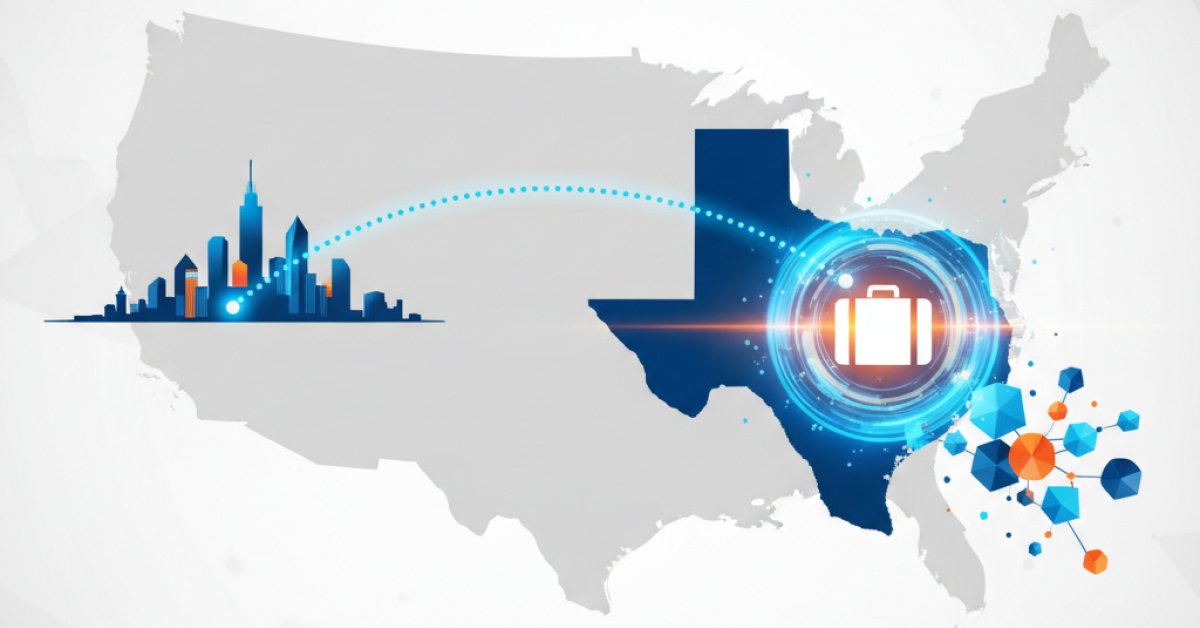
For as long as most of us can remember, FEMA has been a Washington D.C. institution. But it looks like that could be about to change, and in a big way. A recent report from Politico has been making waves, and it’s a real head-turner. Citing a couple of former senior officials, the report says the Trump administration is seriously thinking about moving the entire agency to Texas.
Yes, you read that right. Moving one of the most critical federal agencies from the nation's capital to the heart of the Lone Star State. Let's unpack what's going on here, because this is more than just a change of address.
So, What's the Story Behind This Potential Move?
According to the report, this isn't just a vague idea being tossed around. Back in February, President Trump apparently interviewed a man named Nim Kidd.
If you're not in the emergency management world, that name might not ring a bell. But in Texas, he's a big deal. Nim Kidd is the chief of the Texas Division of Emergency Management. He’s the guy who has been in the hot seat for some of the biggest disasters to hit the U.S. in recent memory, including the absolute monster that was Hurricane Harvey.
The idea floating around seems to be a two-parter:
- Tap Nim Kidd to be the next FEMA administrator.
- Move the agency he'd be leading to his home turf in Texas.
It’s a bold thought, and it immediately begs the question: why?
Why Texas? And Why This Guy?
At first glance, it might seem random. But when you dig a little deeper, you can start to see the logic, even if it’s unconventional.
Think of it like this: Texas has, unfortunately, become a masterclass in disaster response. Between hurricanes, massive floods, tornadoes, and wildfires, the state’s emergency teams are constantly being tested. They’re not just reading about disaster theory in a manual; they are living it, year in and year out.
Moving FEMA to a state that's on the front lines of so many natural disasters is an interesting concept. The argument would be that it puts the agency's leadership closer to the action. Instead of being in the D.C. bubble, they’d be immersed in a region that understands the real-world impact of these events. It’s like moving a tech company’s headquarters to Silicon Valley—you go where the action is.
And that brings us back to Nim Kidd. He’s seen as a battle-tested leader. Managing the response to Hurricane Harvey was a monumental task that involved coordinating local, state, and federal resources on an incredible scale. The thinking seems to be, if he can handle that, he can handle anything. Putting him in charge of the national response agency makes a certain kind of sense.
But Could This Actually Work?
Okay, let's be real. Uprooting a massive federal agency and moving it a thousand miles away is not like packing up your apartment for a weekend move. The logistical hurdles would be absolutely massive.
The Challenges are Huge
First, you have the staff. Thousands of FEMA employees are based in and around D.C. They have families, homes, and deep roots in the community. Would they all be willing to move to Texas? If not, you’re talking about a catastrophic loss of institutional knowledge. These are the people who know the systems, the protocols, and the history of the agency. You can't just replace that overnight.
Then there's the connection to the rest of the government. Being in D.C. means FEMA is literally down the street from the White House, Congress, and every other major federal department. When a disaster strikes, coordination is everything. Being able to walk into a meeting at the Department of Transportation or the Pentagon is a huge advantage. Losing that physical proximity could create new communication barriers at the worst possible times.
The Potential Upside
On the other hand, supporters of the idea might argue that a shake-up is exactly what FEMA needs. They could say that getting the agency out of the D.C. political ecosystem might help it focus more on its operational mission.
And from an insurance perspective, having FEMA leadership in a state that deals so heavily with floods could bring a new focus to the National Flood Insurance Program (NFIP), which the agency manages. The program is in desperate need of reform, and perhaps leadership with more direct experience with major flood events could bring a fresh perspective.
What This Means for the Rest of Us
For now, this is all just a "what if." It’s an idea being considered, not a plan being executed. But it’s a powerful reminder that the way our country prepares for and responds to disasters is constantly evolving.
Whether FEMA stays in D.C. or moves to Texas, the challenges aren't going away. We're seeing more frequent and more intense weather events every year. The pressure on FEMA, on state-level agencies, and on the insurance industry is only going to grow.
This story is one we’ll be watching closely. A move like this would be one of the biggest reorganizations of a federal agency in modern history. It could either be a brilliant move to make disaster response more effective or a logistical nightmare that sets it back. The stakes couldn't be higher.