Have you ever been on an older city bus or train and thought, "Wow, this thing has seen better days"? We all have. You hear a weird rattle, feel a strange vibration, and for a split second, you wonder about the last time it was inspected.
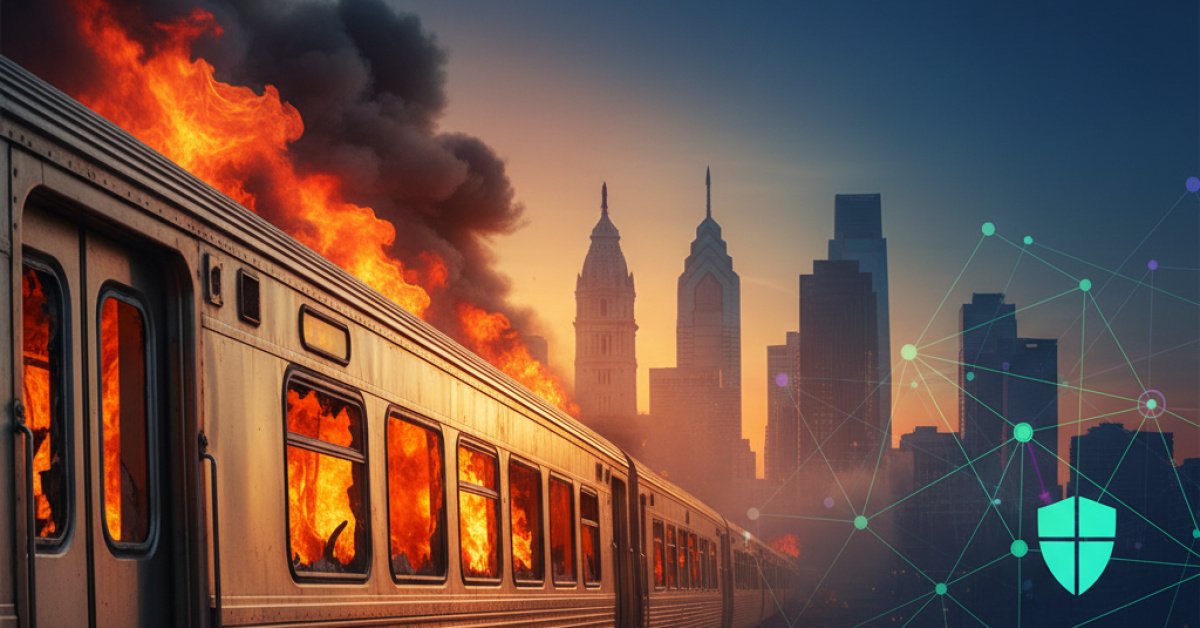
For commuters in Philadelphia, that fleeting thought has become a very real, and frankly, pretty scary situation. A series of fires on one of their most-used railcar models has turned the daily commute into a major headline.
And for those of us in the insurance world, this story is more than just a local news item. It's a massive, real-world case study in public liability, infrastructure risk, and what happens when aging equipment finally starts to fail. Let’s unpack what’s going on.
So, What's Actually Happening in Philadelphia?
Here’s the rundown. The transit agency in question is SEPTA (the Southeastern Pennsylvania Transportation Authority). They rely heavily on an aging fleet of electric railcars known as the Silverliner IV model. Think of these as the workhorses of the system—they’ve been around for a long, long time.
The problem? They’ve started catching fire.
This isn’t just a one-off incident. It's happened enough that the federal government had to step in. Now, when federal regulators get involved, you know the situation is serious. It’s like the principal getting called in because the teacher can’t handle the classroom anymore.
Pennsylvania's Governor, Josh Shapiro, and SEPTA leaders recently held a press conference to address the issue head-on. They assured the public that they are taking this incredibly seriously and are complying with federal orders to upgrade the railcars and prevent more fires.
The Feds Step In: A Mandate for Safety
You can probably imagine the kind of liability we're talking about here. A fire on a moving train packed with people is the definition of a catastrophic event. The potential for injury, death, and astronomical claims is just staggering.
So, the Federal Transit Administration (FTA) didn't just send a strongly worded letter. They issued specific directives. They essentially told SEPTA, "You need to fix this, and you need to fix it now."
SEPTA's response, as outlined by the governor, is to get into full compliance. They're working on the upgrades needed to make these older cars safer. But let's be real—this is a huge undertaking. It’s not like changing the oil in your car. We're talking about complex electrical systems on a massive fleet of vehicles that are critical to the city's daily function.
From an Insurance Perspective, This is a Classic Nightmare Scenario
Okay, let's put on our risk manager hats for a minute. What do we see when we look at this situation?
First, there's the obvious public liability. Every single person who steps onto one of those trains is a potential claimant if something goes wrong. The duty of care for a public transit authority is immense. A fire, even a small one that doesn't cause injuries, can still lead to claims for emotional distress or property damage (imagine your laptop getting ruined by a fire extinguisher).
Then there's the property risk. These railcars are incredibly expensive assets. Losing even one to a fire is a significant financial hit. Now multiply that across an aging fleet where the problem could be systemic. The potential property loss is enormous, and you can bet their property insurance carrier is paying very close attention.
And don't forget business interruption. When you have to pull a significant portion of your fleet out of service for inspections and upgrades, it cripples your ability to operate. That means delays, cancellations, and a potential loss of revenue and public trust.
This is the kind of multifaceted risk that public entity insurers have to grapple with. It’s a complex web of liability, property, and operational risk all tied to one core problem: aging infrastructure.
It's Not Just About Fixing Cars, It's About Managing Future Risk
The immediate fix is to get these Silverliner IV cars upgraded and safe. But the bigger, long-term story here is about asset management and capital planning.
Think of it like owning an old house. You can patch the leaky roof for a few years, but eventually, you know you need to replace the whole thing. If you wait too long, you risk a catastrophic failure that causes way more damage—and costs way more money—than just replacing it proactively.
Public transit agencies across the country are facing this same problem. They're trying to keep decades-old systems running on tight budgets. It's a constant balancing act between keeping fares low, maintaining service, and investing in the new equipment needed to ensure safety.
What's happening in Philly is a powerful reminder that deferring maintenance and replacement isn't a cost-saving measure; it's a form of borrowing from the future, with interest. And sometimes, that bill comes due in a very public and dangerous way.
For SEPTA, and for any large public entity, the path forward involves not just mechanical upgrades, but a robust risk management plan. They need to demonstrate to their insurers, and more importantly, to the public, that they have a handle on this. It's about showing that they're not just reacting to fires, but proactively managing the health of their entire system to prevent the next crisis. It’s a tough job, but as this situation shows, the stakes couldn't be higher.