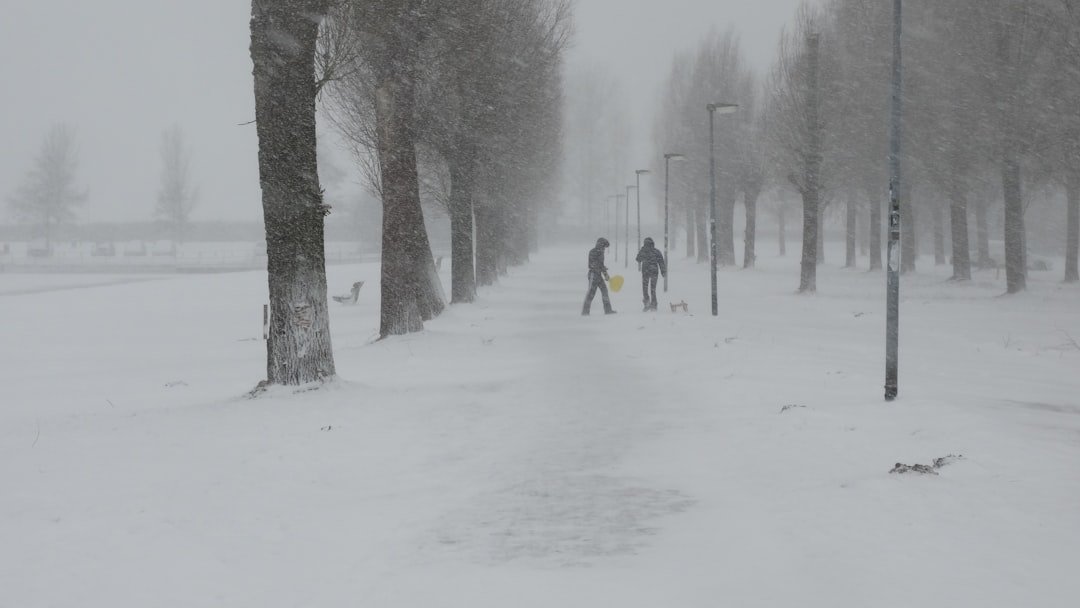
When you see a blizzard rolling in on the weather forecast, you probably think about the immediate stuff, right? Shoveling the driveway, stocking up on milk and bread, maybe even getting a surprise day off work to binge-watch a new show.
What you probably don't think about is the price tag. And I'm not talking about the cost of a new snowblower.
The recent monster storm that buried parts of the Northeast just handed us a bill that’s almost hard to wrap your head around. According to the folks at AccuWeather, the preliminary estimate for total damage and economic loss is somewhere between $34 billion and $38 billion.
Yes, that’s billion with a ‘B’. It’s a number so big it feels fake. But it’s very, very real. And it represents a massive ripple effect that touches everything from your home insurance policy to the price of goods on a store shelf. So, let’s talk about how a bunch of frozen water falling from the sky can possibly cost so much.
So, Where Does a Number Like $38 Billion Even Come From?
When you see a figure that massive, it’s easy to assume it’s an exaggeration. But it’s actually a carefully calculated estimate that falls into two main buckets: the damage you can see, and the economic chaos you can’t.
Think of it like a car accident. There's the obvious cost of fixing the dented bumper (the physical damage). But then there's the cost of the rental car you need, the wages you lose from missing work for a doctor's appointment, and the general hassle of it all (the economic loss). A blizzard is like that, but on a city-wide, or even state-wide, scale.
The Obvious Stuff: Physical Damage
This is the part of the bill that’s easiest to understand. It’s the tangible, physical destruction the storm leaves behind. For a blizzard, this includes things like:
- Roof collapses: All that heavy, wet snow is incredibly weighty. A few feet of it can easily be too much for an older commercial roof or even a residential one to handle. That’s a major homeowner's or business property insurance claim right there.
- Burst pipes: When the power goes out and the heat dies, pipes freeze. When they thaw, they burst, causing catastrophic water damage inside a home. This is one of the most common and expensive winter insurance claims we see.
- Car accidents: Icy roads are no joke. The storm causes a spike in fender benders and more serious collisions, leading to a flood of auto insurance claims.
- Downed trees and power lines: Heavy snow and high winds can bring massive tree limbs (or whole trees) crashing down onto homes, cars, and power lines, creating a trifecta of property damage.
All of this adds up incredibly fast. Every damaged roof, flooded basement, and wrecked car is an insurance claim waiting to happen. For insurers, a storm like this is what we call a "catastrophe event," and they have teams ready to deploy and start processing thousands of claims at once.
The Hidden Costs: Economic Loss
Here’s the part of the $38 billion number that’s a little harder to see but is just as impactful. Economic loss is the disruption to the normal flow of business and life.
Imagine a major city just hits the "pause" button for two or three days. That’s what a blizzard does. The game clock stops, but the bills don’t. This includes:
- Business shutdowns: Restaurants, retail stores, and offices have to close. They lose all of that revenue, but they still have to pay rent, utilities, and salaries.
- Lost wages: Hourly workers who can't get to their jobs don't get paid. That's a direct hit to thousands of families' budgets.
- Supply chain chaos: Trucks can't get on the highways to deliver food, medicine, and other goods. This not only causes temporary shortages but also has a cascading effect on businesses down the line.
- Travel nightmares: Thousands of canceled flights disrupt business travel and vacations, costing airlines and travelers millions.
This is where things get tricky from an insurance perspective. While a business might have "business interruption" coverage, it often requires direct physical damage to their property to kick in. Simply being unable to open because the roads are closed usually isn't covered. It’s a tough reality that many business owners face after a storm passes.
Who Actually Foots This Massive Bill?
It’s not just one person or one company, of course. The cost is spread out across our entire economic system.
A huge chunk is shouldered by the insurance industry. This is literally what insurance is for—pooling resources to help people recover from unexpected disasters. Insurers pay out billions in claims to help homeowners, drivers, and businesses rebuild.
But it doesn't stop there. Government agencies step in with federal and state disaster relief funds to help repair public infrastructure like roads and bridges and provide aid to citizens.
And finally, a significant portion comes directly out of our own pockets. Think about insurance deductibles, repairs that fall below the deductible amount, or losses that simply aren't covered by a policy. Every person who had to pay for a hotel because their power was out or lost wages contributed to that multi-billion-dollar total.
What Does This Mean for You and Your Insurance?
When you see a headline about a $38 billion storm, it feels distant. But these events have a direct impact on all of us. They are a powerful, and frankly scary, reminder of why we have insurance in the first place.
This is the perfect time to pull out your own policies and do a quick check-up. Don't wait until the next storm is bearing down. Ask yourself a few questions:
- Do you know what your deductible is for a winter-related claim?
- Is your coverage limit high enough to completely rebuild your home if the worst happens?
- Does your policy cover specific winter risks like ice dams or frozen pipes?
These massive storms aren't just abstract news stories. They are real events that affect real people. That enormous number is just a summary of thousands of individual stories of loss and recovery. And being prepared, both with an emergency kit and the right insurance, is the best thing you can do before the next one hits. Because as we’re seeing more and more, it’s not a matter of if, but when.