We all know someone like Carol. She’s been underwriting complex commercial property risks since before most of us were born. She doesn’t just look at the data; she has a sixth sense for a bad risk. She can glance at an application and just know something’s off, a gut feeling built over 40 years of seeing it all.
Carol is a legend. She’s also retiring next month.
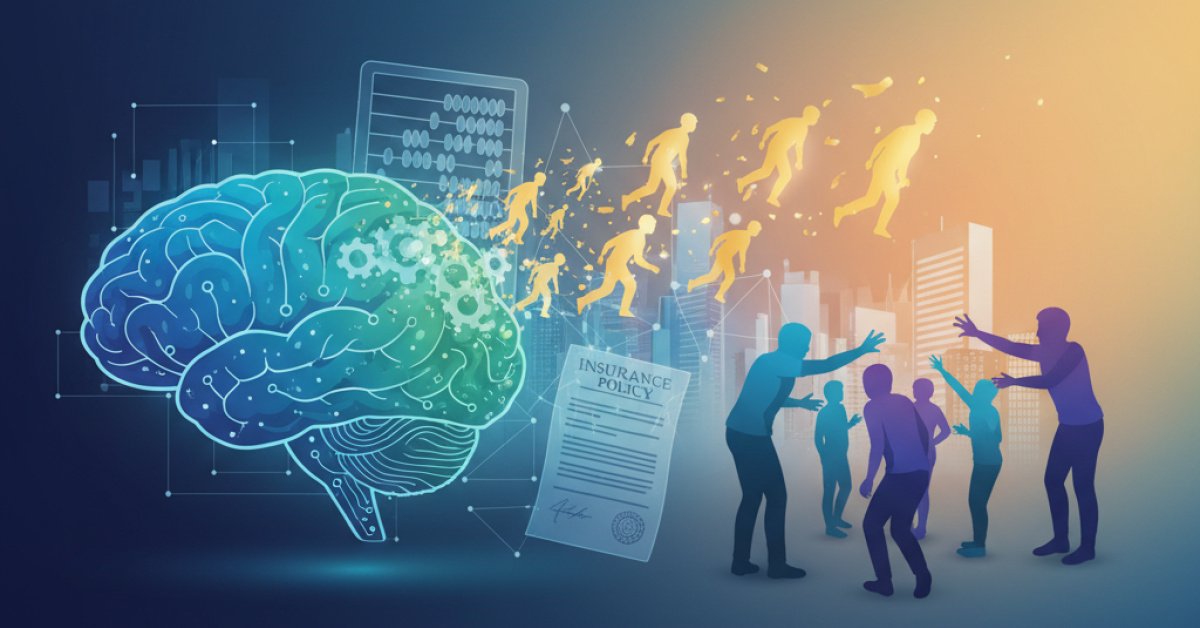
And that, right there, is one of the scariest, quietest problems facing the P&C insurance world today. We’re not just losing employees to retirement; we’re losing entire libraries of knowledge. This "Silver Tsunami" is washing away decades of experience, and frankly, most carriers are not prepared for the drought that’s coming.
So, What’s the Big Deal About a Few Retirements?
You might be thinking, "People retire all the time. We'll just hire new people." But it's not that simple, is it? The knowledge walking out the door isn't the kind you can find in a training manual or a process document.
It’s the nuance. It’s the art.
Think about it like this: You can give two people the exact same recipe for a cake. One is a master baker, the other is a novice. The master baker’s cake will be perfect every time. Why? Because they know the feel of the dough. They know how the humidity in the air affects the flour. They know a thousand tiny things that aren't written down.
That’s what we’re losing. We’re losing our master bakers. The institutional knowledge that lives in the heads of these veterans is the secret sauce that has kept many carriers profitable for years. It’s the claims adjuster who knows which body shops do quality work and which ones inflate their bills. It's the underwriter who remembers a similar-looking risk from 15 years ago that ended in a massive loss.
When they leave, that knowledge is just… gone. And the younger generation, smart and capable as they are, is left trying to bake a complex cake with only a basic recipe to guide them.
Why Hasn't Mentoring Solved This Already?
For years, the go-to solution has been mentorship. Pair the seasoned pro with the new hire, and hope for some magical knowledge transfer through osmosis. And don't get me wrong, mentorship is fantastic and absolutely necessary.
But it’s not enough to solve a problem of this scale.
Here’s the thing: Mentorship is often informal and inconsistent. Carol is busy with her own massive workload; she doesn't have time to systematically download 40 years of experience into a junior underwriter's brain. And even if she did, how much can one person truly absorb?
Plus, a lot of what makes an expert an expert is subconscious. They often can’t even articulate why they made a certain decision. They just knew it was the right call. How do you teach a gut feeling? How do you put intuition into a PowerPoint presentation? You can’t. It’s a slow, organic process, and we’re running out of time.
Okay, So How Can AI Actually Help?
Now, when I say "AI," please don't picture a robot taking over Carol's desk. That's not what this is about. I want you to think of AI as the world’s most dedicated, patient student. A student who can shadow our best experts, 24/7, and learn not just what they do, but how they think.
This isn't about replacing human judgment. It's about capturing it, bottling it up, and turning it into a tool that can help everyone else make smarter decisions.
Let's break down how this could work in the real world:
- Learning from the Masters: Imagine an AI system that analyzes thousands of claims files handled by your top adjusters. It wouldn't just look at the final payout. It would look at every note, every decision, every piece of data they considered. Over time, it starts to see the patterns—the subtle red flags they spotted, the negotiation tactics they used.
- Creating a "Digital Mentor": This captured knowledge can then be used to build a "co-pilot" for newer employees. A junior underwriter is looking at a tricky commercial liability risk. The AI, having learned from Carol, could pop up a notification: "Heads up, similar risks have shown higher-than-average litigation costs when this specific industry code is present. You might want to look closer at their safety protocols." It's not making the decision for them; it's giving them the benefit of Carol's experience, right when they need it.
- Systematizing the "Art": The AI can turn that "gut feeling" into data-driven insights. It can quantify the subtle factors that experts consider, creating a more systematic and consistent process for everyone. This helps level the playing field and gets new hires up to speed much, much faster.
This Isn't a Far-Off Dream; It's a Practical Next Step
The beauty of this approach is that it respects the human element of insurance. It acknowledges that what our veterans do is special and hard to replicate. The goal isn't to create a cold, unthinking machine, but to preserve the wisdom of our most valuable people.
We're facing a genuine crisis. The knowledge drain is real, and it's accelerating. Relying on old methods of knowledge transfer is like trying to fill a swimming pool with a leaky bucket. We're losing more than we're gaining.
By thoughtfully using tools like AI, we have a chance to build a bridge between generations. We can honor the legacy of our retiring experts by ensuring their hard-won wisdom continues to guide and protect the company for years to come. It’s about making sure that when Carol finally enjoys her well-deserved retirement, a part of her expertise stays right here with us. And that's a future I think we can all get behind.