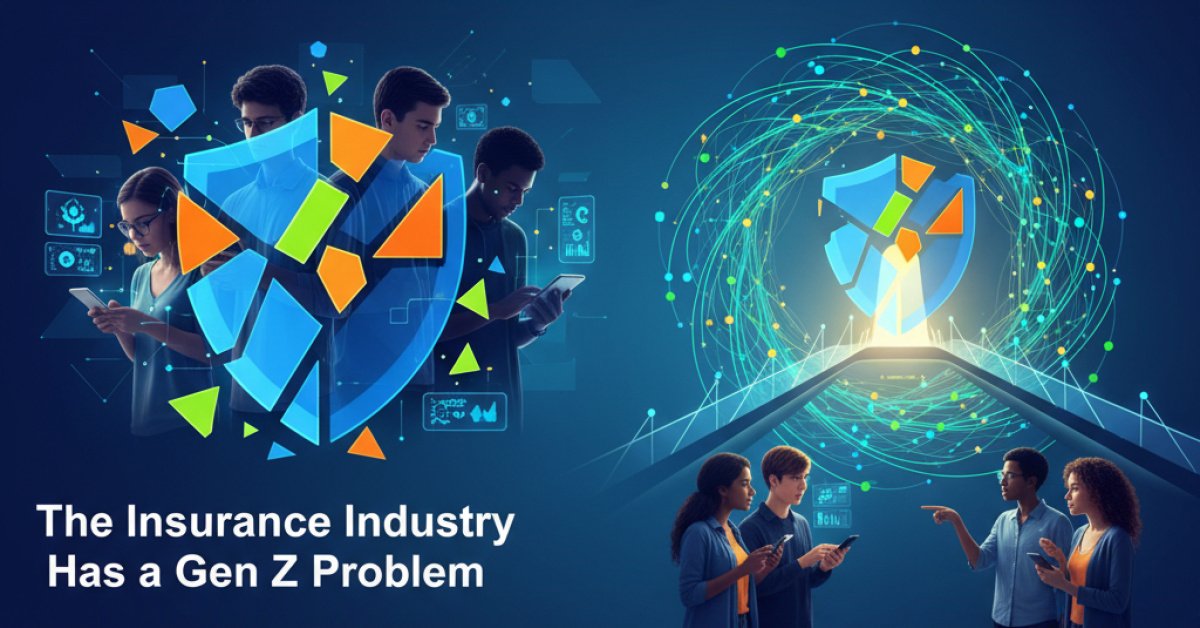
Have you ever walked through your office and had a sudden realization? You look around and see the familiar faces—the seasoned underwriters who’ve seen it all, the claims adjusters with decades of stories, the brokers who know their clients like family. And then it hits you: a lot of these incredible people are getting closer to a well-deserved retirement.
It’s a comforting thought for them, but for our industry? It’s starting to feel a little like a slow-motion emergency.
Here’s the thing. We’re not just talking about a few gold-watch ceremonies. We’re staring down the barrel of a massive demographic shift. The number that keeps me up at night is 400,000. That’s how many people in our industry are expected to retire in the next few years. Four hundred thousand. That’s not a gap; that’s a canyon. And it’s a critical operational risk that we need to start talking about, honestly and openly.
The Great Experience Drain
Let’s be real for a second. When a 30-year veteran of the industry retires, we’re not just losing a person who fills a seat. We’re losing a walking, talking library of institutional knowledge.
Think about that senior commercial lines underwriter. She doesn’t just know the guidelines in the manual. She has a gut feeling for risk that was built over thousands of applications. She remembers that weird claim from 2003 and knows exactly what to look for. That kind of wisdom isn’t something you can just teach in a two-week training course. It’s earned.
Now, multiply that by 400,000.
This isn't just about finding bodies to fill roles. It's about preserving the expertise that keeps our industry running. It’s the art and the science of insurance, and the "art" part is what’s walking out the door. Without a serious plan to transfer that knowledge, we risk becoming an industry that only knows how to read the script but has forgotten how to improvise. And as we all know, insurance is full of improvisation.
So, Where Is Everybody? The Gen Z Question
Okay, so we have a huge wave of people leaving. The logical next question is, who’s coming in to replace them? And this, my friends, is where the problem gets even trickier.
The next generation, Gen Z, isn't exactly banging down our doors.
Let’s face it, we have an image problem. For decades, insurance has been painted as… well, a little boring. A little stuffy. It’s seen as an industry of beige cubicles, complicated paperwork, and guys in suits talking about actuarial tables. That might have been true 40 years ago, but it’s a far cry from the dynamic, tech-driven world many of us work in today.
But perception is reality. When a young, talented computer science graduate is looking for a job, are they thinking about a legacy insurance carrier? Or are they looking at the flashy tech startups and big-name software companies? We know the answer.
Gen Z wants a few key things from a career, and we’re not doing a great job of showing them we have it:
- Purpose: They want to feel like their work makes a difference. And what do we do? We help people rebuild their lives after a disaster! We’re literally the financial first responders. Why aren’t we screaming this from the rooftops?
- Technology: They’re digital natives. They want to work with cool tech, AI, and data. Our industry is sitting on mountains of data and is on the cusp of an AI revolution, but we market ourselves like we’re still using fax machines.
- Growth & Flexibility: They want clear paths for advancement and the flexibility to have a life outside of work. The old model of climbing a rigid corporate ladder for 40 years just doesn’t appeal to them.
If we don’t change the narrative and show them that a career in insurance can be innovative, meaningful, and modern, that canyon I mentioned earlier is only going to get wider.
This Is More Than an HR Problem—It’s Everyone’s Problem
It’s easy to hear "talent shortage" and think, "Well, that’s a problem for the recruiting department." But the consequences of this gap will ripple through every single department of every single company.
Imagine this:
- Slower Service: With fewer experienced claims adjusters, processing times get longer. Customers get frustrated. Our reputation takes a hit.
- Increased Workloads: The people who are left have to pick up the slack. That means more stress, more burnout, and a higher risk of good people leaving, which just makes the problem worse. It’s a vicious cycle.
- Loss of Innovation: When you’re just trying to keep your head above water, there’s no time to think about a better way to do things. Innovation grinds to a halt. We fall behind more agile competitors.
- Underwriting Errors: Inexperienced underwriters might misprice risk, either by being too conservative and losing business or too aggressive and threatening the company’s solvency.
This isn’t just a future, theoretical problem. It’s already starting to happen. It's a fundamental threat to the way we do business.
It’s Time to Change the Conversation
So, what do we do? Wringing our hands won’t solve anything. I genuinely believe we can turn this around, but it requires a conscious, industry-wide effort. It’s on us—the people who are here right now—to become the biggest advocates for a career in insurance.
First, we have to rethink how we recruit. We need to go where the talent is. That means showing up at university tech fairs, not just business school career days. It means creating content for platforms like TikTok and LinkedIn that shows the real, human side of our work.
Second, we need to sell the "why." Let's stop talking about policies and start talking about purpose. Let's share stories of how we helped a family rebuild their home after a fire or enabled a small business to survive a lawsuit. That’s the stuff that resonates.
And finally, we have to look in the mirror. We need to build company cultures that don't just attract young talent but make them want to stay. That means embracing technology, offering real flexibility, and creating clear pathways for mentorship and growth. We need to pair our seasoned experts with our new hires and make knowledge transfer an official part of the job, not just something that happens by accident at the water cooler.
This isn't an easy fix, and it won't happen overnight. But the first step is admitting we have a problem and starting the conversation. The future of this vital industry literally depends on it. The next 400,000 people are out there—we just have to give them a reason to walk through our doors.