Have you ever had that dream where you’re in a car, you go to hit the brakes, and… nothing happens? Your foot just sinks to the floor. It’s a terrifying feeling.
Well, what if you got into a car and there was no brake pedal to begin with?
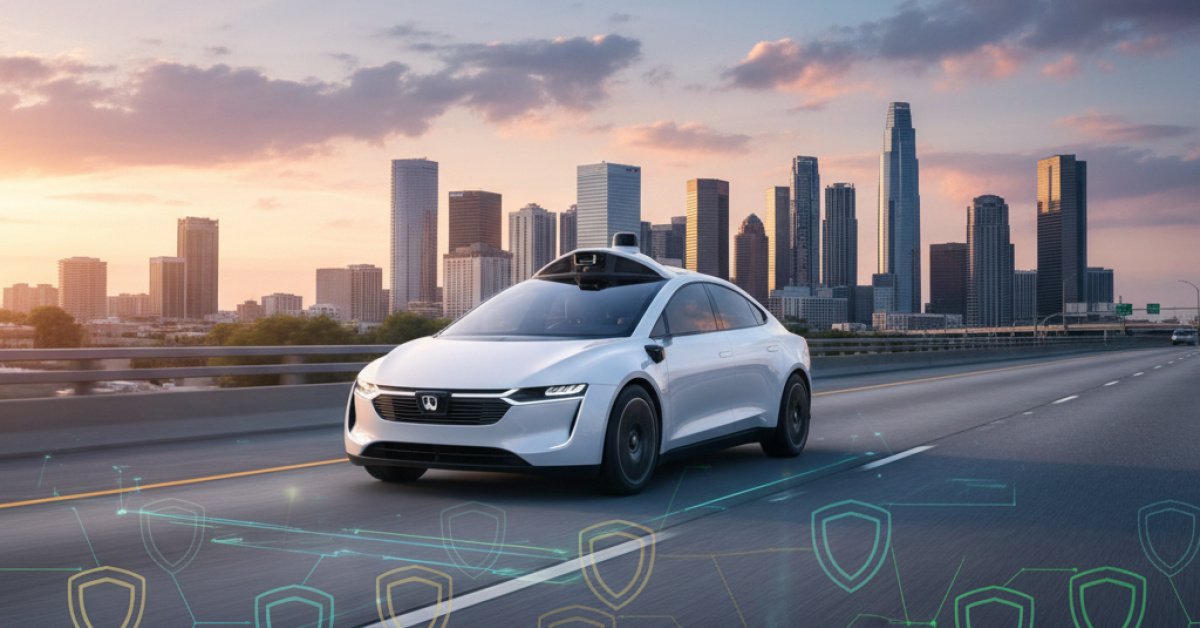
It sounds like something out of a sci-fi movie, but it’s a future that’s getting closer every day. In fact, the U.S. government is already starting to pave the way. On June 25th, the National Highway Traffic Safety Administration (NHTSA) did something pretty wild: they proposed a rule to get rid of the requirement for manual controls, like brake pedals, in fully self-driving vehicles.
Let’s be clear, this isn’t for the car you’re driving today. But it’s a massive signal about where things are headed. And for those of us who live and breathe insurance, it raises one gigantic question: If there’s no driver to blame, who pays when things go wrong?
So, What's Really Going On Here?
Okay, let's break this down. For decades, car safety rules have been built around one simple fact: a human is in control. Every rule, from seatbelts to airbags to, yes, brake pedals, assumes that a person is sitting in the driver's seat, ready to react.
But true self-driving cars—the kind that might one day shuttle you to work while you nap—don't need a human driver. At all. So, forcing a car designed to be fully autonomous to have a brake pedal is a bit like requiring your smartphone to have a rotary dial. It’s an old rule for a new world.
The NHTSA gets this. Their proposal is basically them saying, "Hey, we need to update the rulebook for the technology that actually exists now." By removing this requirement, they’re clearing a major hurdle for companies to design and eventually sell cars that are truly, 100% autonomous.
It’s a logical step, but it throws a huge wrench into the machinery of auto insurance as we know it.
The Million-Dollar Question: Who’s at Fault Now?
Think about how car insurance works right now. If someone runs a red light and hits you, it’s pretty straightforward. The police determine who was at fault, and that person’s liability insurance covers the damage. The whole system is built on the idea of personal responsibility.
But what happens when a self-driving car with no pedals causes a crash?
You can’t exactly give a ticket to a piece of software. This is where the entire concept of liability gets turned upside down. We’re moving away from a world of personal liability and into a much murkier world of product liability.
Suddenly, the list of potentially responsible parties gets a lot longer:
- The Car Manufacturer: Did they build the car correctly?
- The Software Developer: Was there a bug in the code that made the car swerve?
- The Sensor Maker: Did a faulty camera or lidar unit fail to see a pedestrian?
- The Fleet Owner: If it’s a robo-taxi service, are they responsible for maintenance and updates?
This is the puzzle the insurance industry is scrambling to solve. When a crash happens, untangling who is truly at fault could become an incredibly complex and expensive process. My guess is we’ll see a shift toward commercial-style insurance policies, where the manufacturer or the company that owns the fleet of autonomous vehicles buys a massive policy to cover the whole operation.
How Your Own Car Insurance Might Change
You might be thinking, "Okay, that's interesting for Google's self-driving cars, but what about me?" It’s a great question, because this shift will eventually ripple out and affect all of us.
For starters, the very idea of a personal auto policy might need a major rethink. If you own a car that can drive itself part of the time, your insurance might look very different. Maybe you’ll pay one rate for the miles you drive yourself and a different, lower rate when the car is in autonomous mode. After all, the risk profile is completely different.
And then there's the data. Oh, the data.
Self-driving cars are basically data centers on wheels. They record everything—speed, location, what the sensors see, every decision the computer makes. In the event of an accident, this data will be the "eyewitness" that determines what happened. Insurance companies will absolutely want access to that information to figure out who pays. It’s like having a perfect, unbiased black box for every fender-bender.
This brings up some serious privacy concerns, of course. Who owns that data? How is it protected? These are questions we’ll all have to grapple with as a society.
Don't Rip Out Your Brake Pedal Just Yet
Now, before you start worrying about a world filled with pedal-less robot cars, let's take a deep breath.
This is just a proposal from the NHTSA. It’s the first step in a long regulatory process. There will be public comment periods, debates, and lots of revisions. We are still years, and maybe even a decade or more, away from these kinds of vehicles being common on our streets.
The cars we buy today and in the near future will still have steering wheels and pedals. Features like Tesla's Autopilot or GM's Super Cruise are driver-assist systems, not full self-driving. You are still the driver, and you are still responsible.
This proposal is about looking ahead. It’s about building a bridge to a future that’s coming faster than we think. For us in the insurance world, it’s both a challenge and an incredible opportunity. We're the ones who will have to create the safety nets for this new technology.
It’s a fascinating time, and we're right at the beginning of a massive shift. The road ahead is full of twists and turns, but one thing is for sure: we’re all going to have to learn how to navigate it together.