Have you ever been white-knuckling it down a busy freeway, traffic on all sides, and just wished the car could handle it for you? It’s a thought most of us have had. It feels like a far-off, futuristic dream.
Well, it’s not a dream anymore.
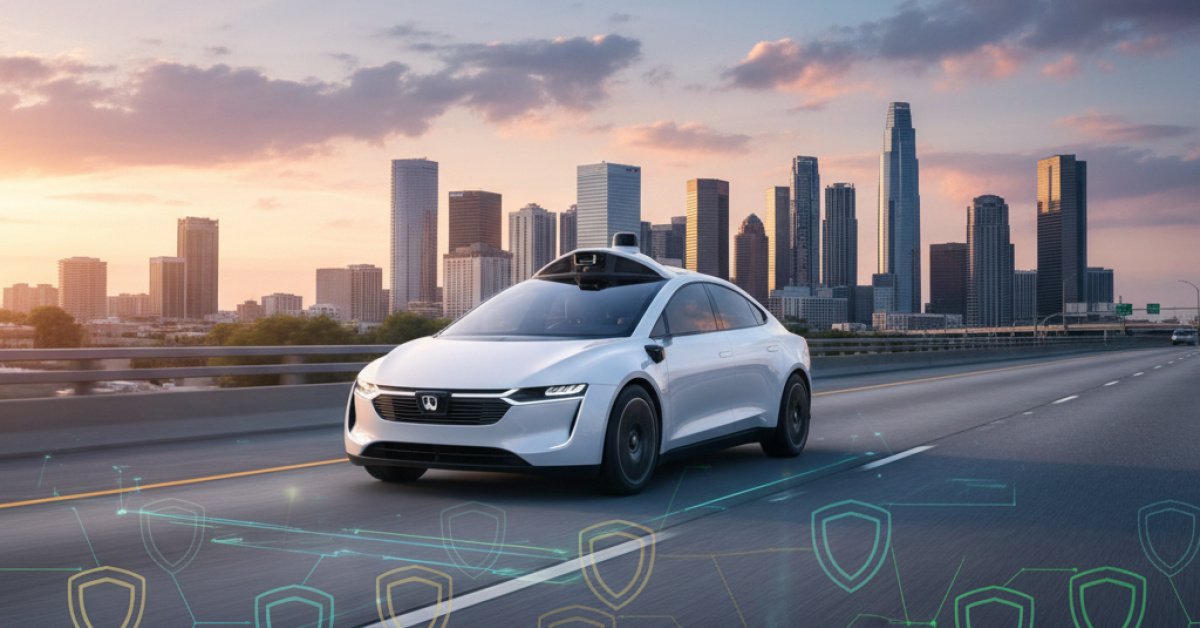
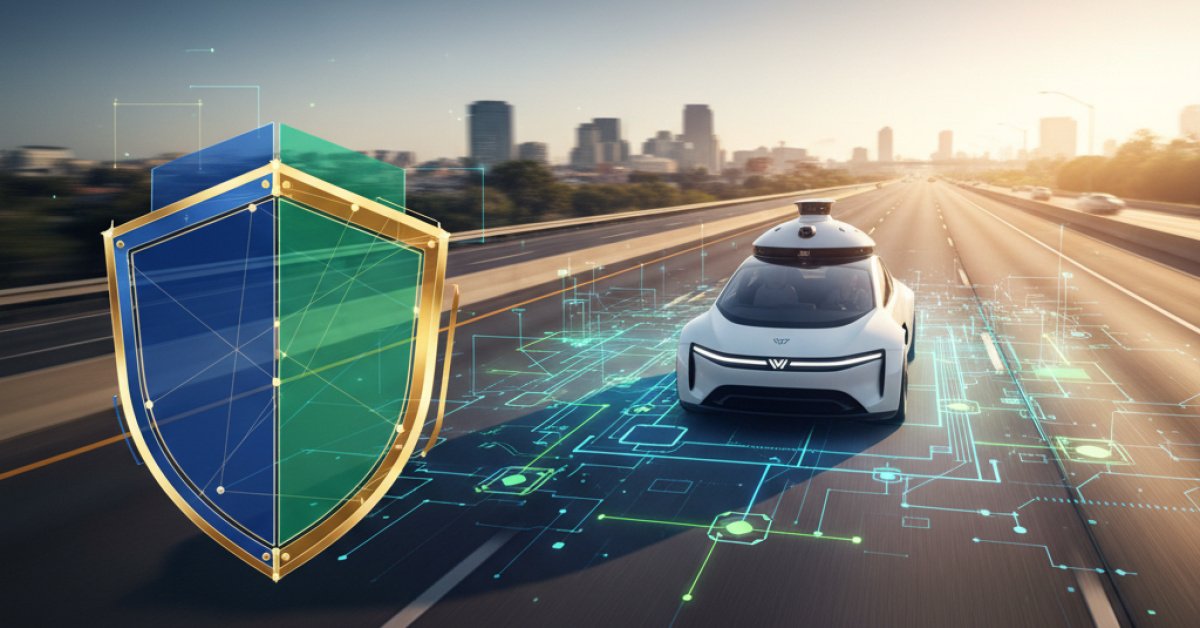
Waymo, the self-driving car company under Alphabet, just became the first in the U.S. to start offering fully driverless robotaxi rides on highways. We’re talking cars with no one in the driver's seat, cruising at 65 mph alongside everyone else in California and Arizona.
Now, for most people, this is a cool headline. A "wow, the future is here" moment. But if you’re like me, and you live and breathe insurance, your brain probably skipped right past the "wow" and landed on a much bigger question: "Who's liable when one of these things crashes?"
Let's unpack this, because it’s not just a small change. This is the beginning of a fundamental shift in how we think about auto risk.
First, What’s Actually Happening Here?
To put it simply, Waymo is taking its driverless service to the next level. For a while now, their robotaxis have been puttering around city streets in places like Phoenix and San Francisco. But navigating a 25-mph local road with stop signs is one thing. Merging onto a multi-lane, high-speed freeway is a whole different ballgame.
This move is a huge vote of confidence in their technology. It’s Waymo saying, "We believe our system is safe and sophisticated enough to handle the most complex driving environment most of us face."
And by doing this, they're not just testing tech; they're directly challenging traditional taxis and ride-hailing giants like Uber and Lyft. But more importantly for us, they're forcing a conversation that the insurance industry has been having in hypotheticals for years. Now, it's real.
The Million-Dollar Question: Who's on the Hook?
In the world of auto insurance, we have a pretty established script. Over 90% of accidents are caused by human error. Someone was texting, someone was speeding, someone ran a red light. The driver messes up, and their personal auto policy responds. It’s a model we’ve built our entire industry on.
But what happens when you take the human driver out of the equation?
The whole script gets thrown out the window. If a driverless Waymo car causes a pile-up on the I-10, you can't exactly slap a ticket on a piece of software. The concept of "driver fault" becomes obsolete.
So, where does the liability fall? Here’s how it’s starting to look:
- The Operator (Waymo): This is the most obvious answer. Waymo is the one operating the service. Their vehicle, their software, their responsibility. We're moving from a personal liability model to a commercial product liability model. Waymo will need a massive, incredibly complex commercial insurance policy to cover its fleet. Think of it less like car insurance and more like the kind of insurance a major airline carries.
- The Manufacturer(s): It gets complicated fast. What if the accident wasn't caused by Waymo's driving software, but by a faulty sensor from a third-party supplier? Or a glitch in the GPS hardware? You can bet there will be a lot of finger-pointing between tech companies, with each one's insurance carrier trying to prove their client wasn't the one at fault.
- The "Passenger": Could the person riding in the car ever be at fault? It seems unlikely in a crash, but what if they intentionally interfere with the vehicle's operation? Or what if a fleet of cars is targeted by a hacker?
This shift is monumental. We're moving away from assessing the risk of a single human driver and toward assessing the risk of a complex technological system. It's a whole new world for underwriters.
Goodbye Personal Auto, Hello… What Exactly?
Okay, so your personal auto policy probably isn't going to change overnight because of this. But make no mistake, the ripple effects are coming. The policies we write and the way we write them are going to have to evolve.
A New Breed of Commercial Policy
The most immediate impact is on the commercial side. Insuring a fleet of autonomous vehicles is nothing like insuring a fleet of delivery vans. The policy will need to cover a wild mix of risks:
- Product Liability: For when the car itself is deemed at fault.
- Cybersecurity: This is a huge one. A single hack could compromise an entire fleet, potentially causing chaos. Cyber insurance will be a non-negotiable, front-and-center part of any AV insurance program.
- Errors & Omissions (E&O): For the software developers and engineers. What if a coding error leads to an accident?
The Data is the Real Game-Changer
Here’s the part that really gets my insurance-nerd brain going: the data.
These cars are basically rolling data centers. They are equipped with LiDAR, radar, cameras, and sensors that record everything. Every turn, every near-miss, every hard brake—it’s all logged.
Think about what this means for claims.
Right now, an accident investigation involves police reports, conflicting witness statements, and trying to piece together what happened. It can be a messy, subjective process.
In the future? An adjuster could receive a file that includes a 360-degree video of the entire incident, overlaid with data showing the vehicle's speed, steering inputs, and what its sensors "saw." Determining fault could become an almost instantaneous, data-driven conclusion. It could dramatically speed up the claims process and reduce fraud.
This data will also revolutionize underwriting. Instead of relying on proxies for risk like a driver's age, credit score, and driving record, we'll have terabytes of real-world performance data. We'll be able to price risk with a level of accuracy we can only dream of today.
So, Are We Ready for This?
It’s exciting, but let’s be real—the road ahead is bumpy. The technology is moving way faster than the laws that govern it. We have a patchwork of state regulations that will be a headache for carriers trying to write national policies.
And then there's public trust. It only takes one high-profile, tragic accident to set the whole industry back years. That "social risk" is a real factor that underwriters have to weigh.
But one thing is for sure: this isn't science fiction anymore. It's happening right now on freeways in America. For those of us in insurance, this is a call to action. We need to be learning, adapting, and building the products that will support this new reality. Our role in managing risk has never been more critical, and frankly, it’s never been more interesting.