Have you ever been in the passenger seat on a busy freeway, watching cars merge and change lanes at 70 miles per hour, and thought, "Wow, this takes a lot of focus"? It's a complex, high-stakes dance that we humans have been doing for a century.
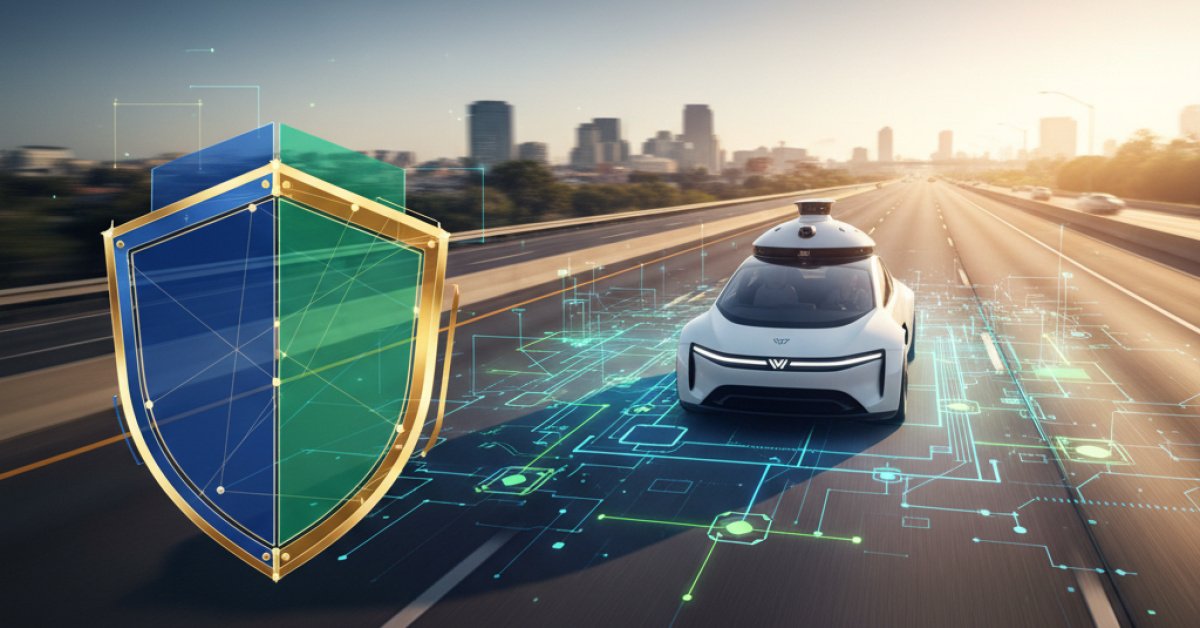
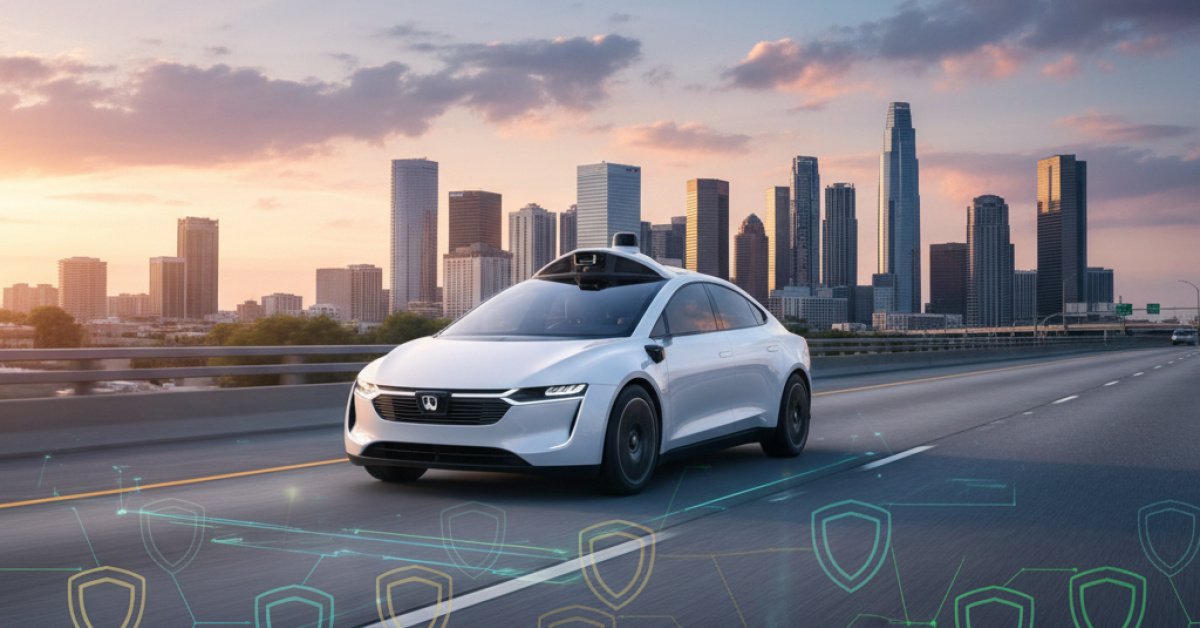
Well, get ready for a major shift. Waymo, the self-driving car company under Alphabet (Google's parent company), just did something that’s never been done before in the U.S. They've officially launched fully driverless robotaxi rides on the freeway.
No safety driver. No human hands on the wheel. Just you, in the back of a car, zipping down the highway controlled by a computer. It sounds like science fiction, but it’s happening right now in Phoenix. And while engineers and tech enthusiasts are celebrating, we in the insurance world are looking at this and thinking, "Okay, this changes everything."
So, What's the Big Deal About Freeways, Anyway?
You might be thinking, "Haven't we had self-driving cars for a while now?" And you're right, we have. But navigating a quiet suburban street at 25 mph is one thing. A freeway is a whole different beast.
Think about it. On a freeway, you have:
- Higher Speeds: Decisions have to be made in a split second.
- Complex Merging: Cars are entering and exiting constantly.
- Sudden Slowdowns: One person slams on their brakes, and it creates a ripple effect.
- More Unpredictable Drivers: Let's be honest, we all see some wild driving out there.
For an autonomous vehicle to handle this environment flawlessly, its technology has to be incredibly sophisticated. It's a massive vote of confidence from Waymo in its own system. For them, this is the key to competing with services like Uber and Lyft. A trip that can use the freeway is a lot faster and more direct, making it a much more attractive option for riders.
But for us, it raises the stakes exponentially. A fender-bender in a parking lot is one thing. A multi-car pile-up at highway speeds is a catastrophe, and it leads us straight to the million-dollar question.
Who's on the Hook When Things Go Wrong?
This is the conversation I’m having with every single colleague right now. For the entire history of car insurance, the model has been based on one simple fact: a human is in control of the car.
When a crash happens, we ask: Who was at fault? Was the driver distracted? Speeding? Did they run a red light? We assign blame to a person, and their insurance (or them, personally) pays for the damages.
But what happens when there's no driver?
You can't ask a computer if it was texting. You can't give a sobriety test to a line of code. The entire concept of "driver error," which accounts for over 90% of all accidents, just vanishes.
So, who pays? This is where the legal and insurance worlds are about to get very, very messy. The liability could potentially fall on:
- The Manufacturer (Waymo): Did a sensor fail? Was there a flaw in the car's hardware? This starts to look a lot like a product liability claim, similar to a faulty appliance causing a fire.
- The Software Developer (Alphabet/Google): Was it a bug in the code? Did the AI make a poor decision in a complex scenario? Proving this would be incredibly difficult and would require sifting through mountains of data.
- The Fleet Owner (Waymo, in this case): Did they maintain the vehicle properly? Were all the software updates installed? This is more in line with a traditional commercial auto policy.
- A Third Party? What if the accident was caused by a hacker who gained control of the vehicle? Or a faulty city signal that gave the car bad information?
The simple, two-car accident suddenly becomes a complex lawsuit with teams of lawyers representing tech giants, car manufacturers, and insurance companies. It's a whole new world of risk.
How Are Insurers Even Supposed to Handle This?
Honestly, the industry is still figuring it out. The old way of underwriting—looking at a driver's age, driving record, and credit score—is completely out the window.
Instead of insuring a person, we now have to insure a machine. It's a fundamental shift. Underwriters will need to ask a totally new set of questions:
- How many millions of miles has this specific software version driven in simulations?
- How does the vehicle perform in heavy rain or snow?
- What's the protocol if a sensor gets covered in mud?
- How secure is the system against cyberattacks?
The "driving record" won't belong to a person anymore; it'll belong to the algorithm. And that record will be a massive, continuous stream of data from the car's hundreds of sensors.
This means the claims process will also be transformed. Forget eyewitness statements and police reports (though they'll still matter). The real "witness" will be the car's black box, which recorded every single thing it saw, every calculation it made, and every action it took. The company that owns that data—in this case, Waymo—holds all the cards. Getting access to that data and interpreting it will become the single most important part of handling a claim.
What Does This Mean for the Rest of Us?
Okay, so you might not be hopping in a driverless Waymo on the freeway tomorrow. But don't think this won't affect you. This is the direction the entire auto industry is heading, and it's going to have ripple effects on your own car insurance.
In the long run, the widespread adoption of truly autonomous vehicles could be amazing for safety. If we can eliminate human error, we could dramatically reduce the 40,000+ traffic fatalities that happen each year in the U.S. Fewer accidents mean fewer claims, which should, in theory, lead to lower insurance premiums for everyone.
But getting from here to there is going to be a bumpy ride. For a long time, we'll have a mix of human-driven cars and autonomous vehicles on the same roads, which creates its own set of weird, unpredictable situations.
For now, this news from Waymo is a massive step forward. It's proof that this technology is maturing at an incredible pace. But it's also a wake-up call for the insurance industry. We're no longer talking about a far-off future; the future is here, and it's merging onto the freeway. We need to be ready for it. The simple car insurance policy we've known for decades is about to get a serious software update.