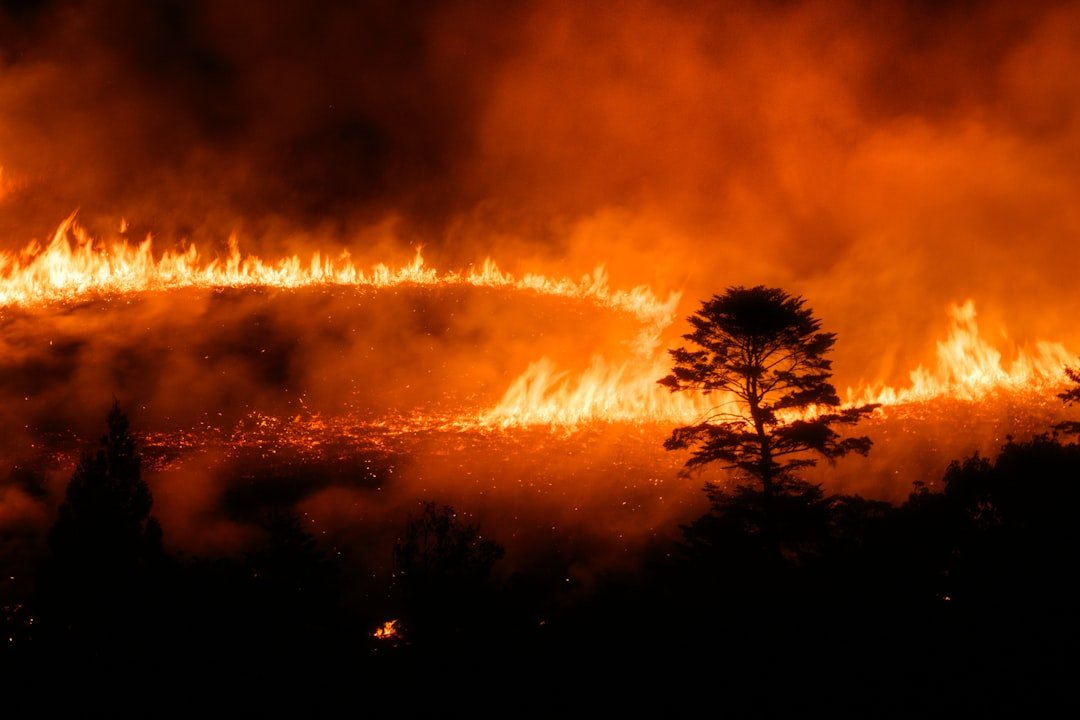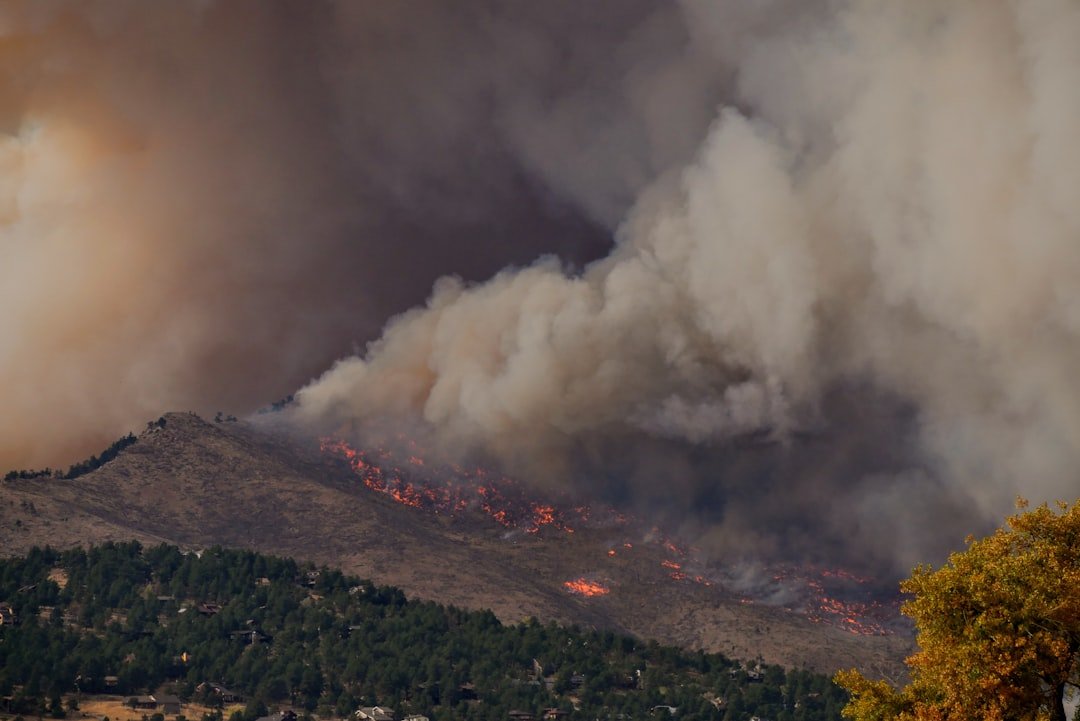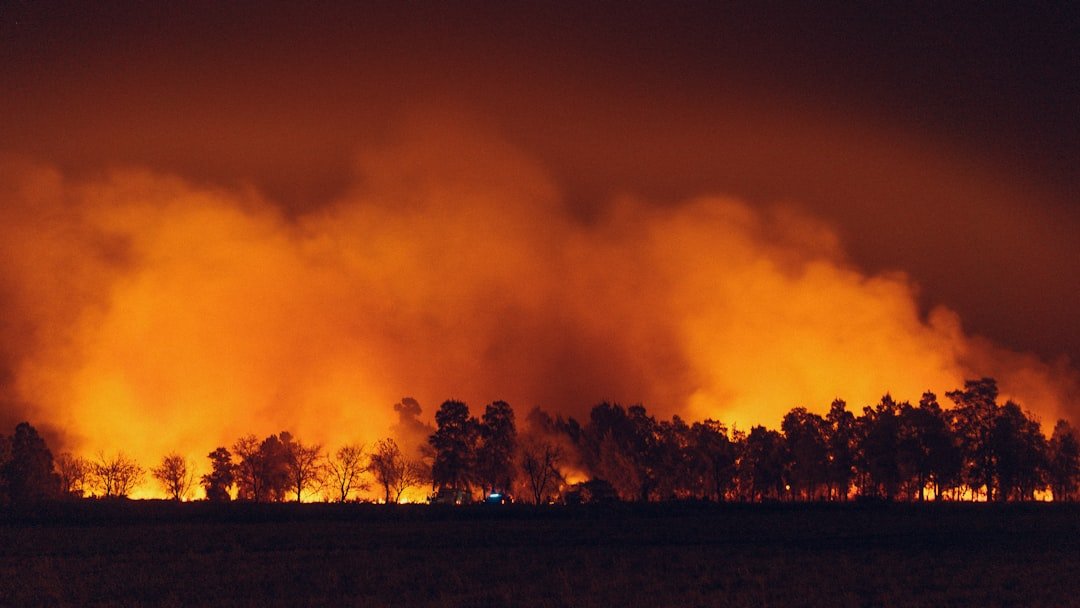
Have you ever woken up and smelled smoke in the air, even when the fire is a hundred miles away? It’s an unsettling feeling, isn't it? That hazy sky is a stark reminder that wildfire season in the West isn't just a headline—it's a real, tangible threat that feels like it's creeping closer every year.
And this year, it feels different. More intense. We're already seeing a tragically deadly season for the brave men and women on the front lines. Behind the scenes, the people in charge—the fire bosses—are making incredibly tough calls, juggling resources in a high-stakes chess match against Mother Nature.
This isn't just a story about firefighting logistics. It's a story that directly impacts your home, your community, and yes, your insurance. Let's talk about what's really happening and why it matters to you.
The New Strategy: Hit It Hard, Hit It Fast
You see, the old playbook for fighting wildfires is getting harder to run. With fires getting bigger and more aggressive, the strategy has shifted. The goal now is to pounce on any new fire with overwhelming force, stamping it out before it has a chance to explode into an uncontrollable monster.
Think of it like this: It’s far easier to put out a small spark in a wastebasket than it is to save a house that's already fully engulfed in flames. By throwing everything they have—air tankers, hotshot crews, engines—at a fire the moment it starts, authorities are hoping to prevent those catastrophic megafires that destroy entire towns.
It makes perfect sense, right? The problem is, you can only be in so many places at once.
When Resources Get Stretched Dangerously Thin
Here’s the part that keeps me up at night, both as a journalist and as someone who lives with this risk. What happens when two, three, or even ten of those "wastebasket fires" pop up at the same time across a state?
This is the reality fire bosses are facing. They’re constantly moving crews and equipment around, trying to predict where the next big threat will emerge. A team that was battling a blaze in one county might be pulled and sent hundreds of miles away to tackle a new, more dangerous start.
This constant juggling act has some serious consequences:
- Slower Response Times: If the closest crews are already committed elsewhere, it takes longer for help to arrive at a new fire. And with wildfires, every single minute counts. A delay can be the difference between a 10-acre fire and a 10,000-acre disaster.
- Increased Risk of Loss: When firefighters are spread thin, they have to make brutal choices. They might have to prioritize saving lives and homes, which could mean letting thousands of acres of forest burn. This increases the overall risk of property damage and, tragically, loss of life.
- Burnout and Fatigue: These firefighters are heroes, but they're also human. Shuffling from one fire to the next with little rest takes a massive physical and mental toll, which can lead to mistakes and injuries.
This isn't a hypothetical problem. We're seeing it play out right now. It's a dangerous domino effect where one fire strains the system, making it harder to fight the next one.
So, What Does This All Mean for Your Insurance?
Okay, let's bring this home. How does a strained firefighting system in the mountains affect your insurance policy in the suburbs? In more ways than you might think.
Insurance is all about calculating risk. When insurers look at a region, they aren't just looking at how many trees you have in your backyard. They're also looking at the capacity of the system designed to protect you.
When they see that firefighting resources are stretched to the breaking point, the risk calculation changes. The perceived risk of a catastrophic loss goes way up. For you, the homeowner, this can translate into a few different things:
- Higher Premiums: It’s the most basic rule of insurance. When risk increases, the cost of covering that risk (your premium) often follows suit. Insurers have to collect enough to pay out potentially massive claims from a major wildfire event.
- Stricter Underwriting: Insurers are becoming much more selective about the homes they're willing to cover in high-risk areas. They might require you to do extensive "fire hardening" on your property—like installing a metal roof or clearing a huge defensible space—before they'll even offer you a policy.
- Non-Renewals: In the most extreme cases, some insurance companies might decide the risk is just too high and pull out of certain zip codes or regions altogether, leaving homeowners scrambling to find coverage.
It’s a tough situation. The very systems designed to protect us are under immense pressure, and that pressure is trickling down and changing the entire insurance landscape for homeowners in the West.
This Isn't Helplessness, It's a Call to Action
Look, I know this all sounds pretty grim. And honestly, it is. But the point isn't to scare you; it's to prepare you. Understanding this reality is the first step toward protecting yourself and your family.
Knowing that firefighters might be spread thin should motivate all of us to take proactive steps. This means creating that defensible space, having an evacuation plan ready, and making sure your home is as fire-resistant as possible.
And just as importantly, it means having a serious conversation with your insurance agent. Don't just assume you're covered. Ask the tough questions. Do you have enough coverage to completely rebuild? What about coverage for your belongings? Is there a separate deductible for wildfires?
The fight against these massive wildfires is a shared responsibility. While the fire bosses juggle their resources on a grand scale, we have to manage our own personal risk right here at home. In this new era of intense wildfires, being prepared isn't just a good idea—it's everything.