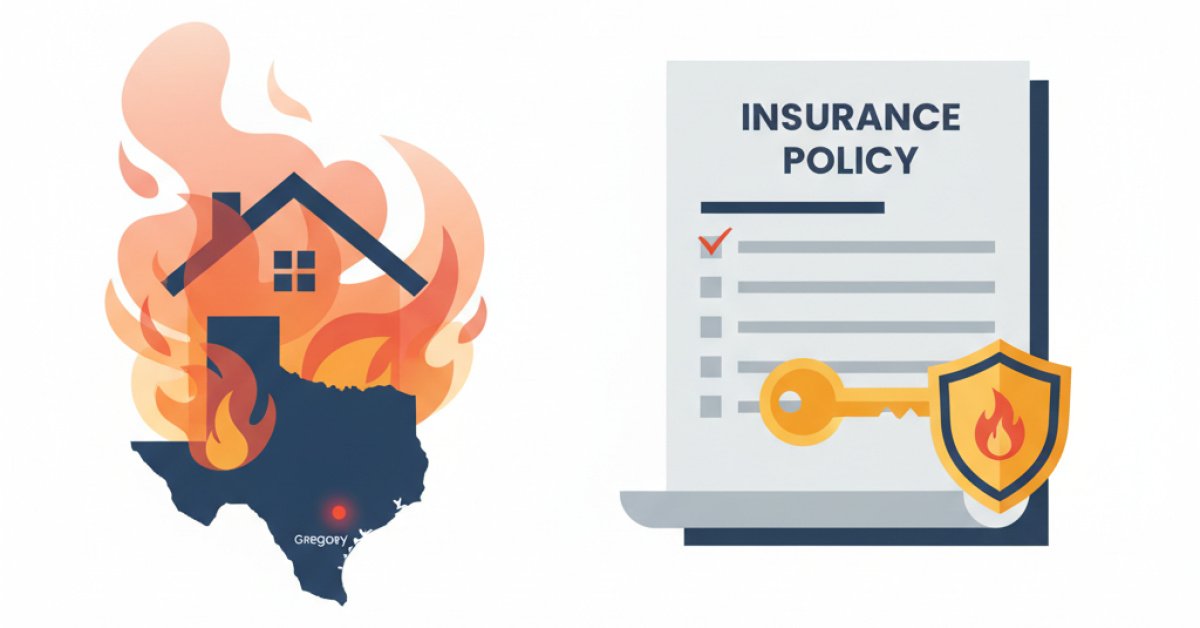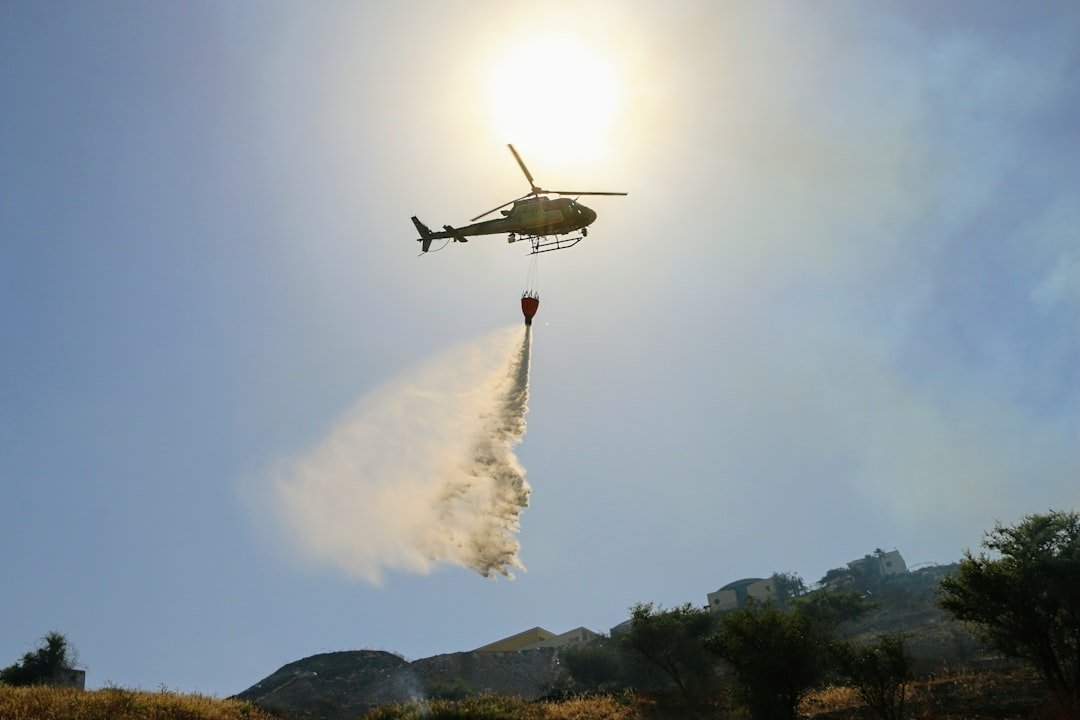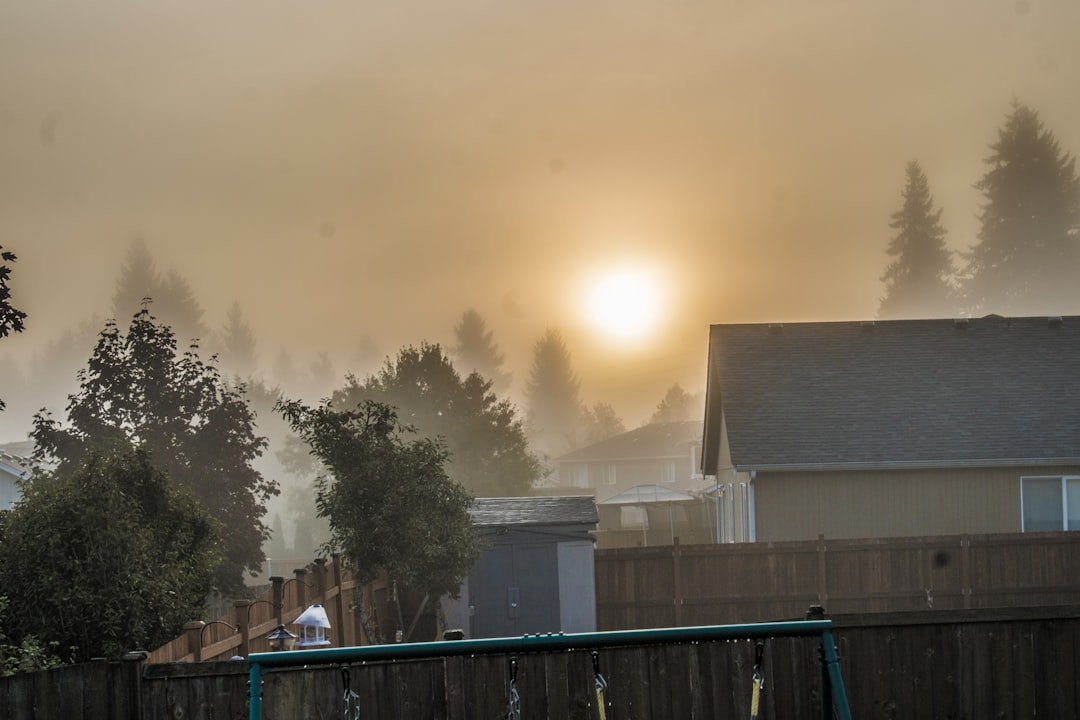
It’s a scary sight, isn't it? Seeing those images of huge plumes of smoke blanketing the sky in parts of Georgia and Florida. You hear the news reports—wildfires fueled by drought and high winds, moving fast, forcing hundreds of people to evacuate and destroying more than 50 homes.
Your first thought is for the people and the communities affected. It's absolutely heartbreaking.
But if you’re anything like me, your second thought might be a quiet, anxious question: “What if that happened here? Am I covered for something like that?” It’s a question that can keep you up at night. As someone who’s spent years in the insurance world, I can tell you that you’re not alone in wondering. Let’s talk about it, friend to friend.
This Isn't Just a West Coast Problem Anymore
For a long time, we’ve associated massive wildfires with places like California or Colorado. But the recent events in the Southeast are a harsh reminder that the risk is spreading. With changing weather patterns, drought conditions can pop up almost anywhere, and all it takes is a spark and a windy day for things to get out of control.
What happened in Georgia and Florida wasn't a fluke. It was a perfect storm of dry conditions and high winds that created a disaster. And it’s a wake-up call for all of us, no matter where we live. We have to start thinking about wildfire as a real possibility and ask ourselves if our financial safety net—our insurance—is strong enough to handle it.
So, a Wildfire Hits. What Does Your Policy Actually Do?
Okay, let's get down to brass tacks. Imagine the worst happens, and an evacuation order is issued for your neighborhood. You grab your family, your pets, and a few essentials, and you leave. What happens next from an insurance perspective?
The good news is that a standard homeowners insurance policy (often called an HO-3) almost always covers damage from fire, and that includes wildfires. It’s one of the fundamental perils that insurance was designed to protect you from.
But your policy isn't just one big bucket of money. It's broken down into different types of coverage, and knowing what they are can make all the difference.
Your House Itself (Dwelling Coverage)
This is the big one. It's the part of your policy designed to repair or completely rebuild the physical structure of your home if it's damaged or destroyed. When you hear that 50 homes were lost in Georgia, it's the dwelling coverage that those families will be relying on to start over.
The key here is making sure you have enough coverage. Is the amount listed on your policy enough to rebuild your home from the ground up in today's market, with today's labor and material costs? That's a critical question to answer.
All Your Stuff Inside (Personal Property)
Think about everything you own inside your house: your furniture, your clothes, the kids' toys, your TV, your kitchen appliances. A wildfire doesn't spare any of it. Personal property coverage is there to help you replace all those things.
Here’s a pro tip I share with everyone: create a home inventory now. Seriously, stop reading for a second and just walk through your house with your smartphone, taking a video of everything. Open closets, open drawers. It takes 15 minutes and could save you a massive headache later.
A Place to Stay When You Can't Go Home (Loss of Use)
Remember the hundreds of people forced to flee the flames? They can't go back to their homes. Loss of Use, or what we often call Additional Living Expenses (ALE), is one of the most incredible parts of a homeowners policy.
This coverage helps pay for the additional costs you have because you can't live in your home. We're talking about things like:
- Hotel bills or a short-term rental
- The cost difference if you have to eat out more
- Laundry expenses
- Even pet boarding if your temporary spot doesn't allow animals
It’s designed to help you maintain your normal standard of living while your home is being repaired or rebuilt. It’s a true lifesaver during an incredibly stressful time.
The Fine Print: What to Watch Out For
Now, insurance is fantastic, but it's not a magic wand. There are always details and limits you need to be aware of. It's not about "gotchas," it's just about understanding the contract you have.
The biggest issue I see after a disaster is people being underinsured. This happens when your dwelling coverage limit hasn't kept up with rising construction costs. You might have bought your policy five years ago when it cost $300,000 to build your house, but today it might cost $400,000. If you haven't updated your policy, you'll have a $100,000 gap that you'll have to cover out of pocket.
Another huge concept is Replacement Cost vs. Actual Cash Value (ACV).
- Replacement Cost gives you the money to buy a brand new replacement for your lost item. Your 5-year-old TV goes up in smoke? You get enough money for a new, similar TV.
- Actual Cash Value gives you what your item was worth the second before it was destroyed. That 5-year-old TV might only be worth $50 today.
For your home and your belongings, you almost always want Replacement Cost coverage. It costs a little more, but it’s the difference between being made whole and getting a check that doesn't come close to what you need.
What Can You Do Right Now to Prepare?
Seeing those fires in the Southeast can make you feel a little helpless, but you can take control of your own preparedness. You don't have to wait for the smoke to be on your horizon.
-
Pull Out Your Policy. I know, I know. It’s probably in a drawer somewhere collecting dust. But find the "Declarations Page." It's usually the first couple of pages and has all the numbers. Look at your dwelling coverage amount. Does it feel low?
-
Call Your Agent or Company. This is what they are there for! Have a real conversation. Ask them, "Based on today's costs, do I have enough coverage to rebuild my home?" Ask them about Replacement Cost coverage for your belongings. A 20-minute phone call can provide incredible peace of mind.
-
Do That Home Inventory. I mentioned it before, but I'm saying it again. Video, photos, a spreadsheet—whatever works for you. Just document what you have and store that information in the cloud (like on Google Drive or Dropbox) so you can access it from anywhere.
The situation in Georgia and Florida is a tragedy, but we can use it as a powerful lesson. It’s a chance to look at our own plans and make sure we’re ready. Taking a few simple steps today can make an unimaginable situation just a little bit more manageable if it ever happens to you. At the end of the day, that’s what insurance is all about—giving you a fighting chance to get back on your feet.