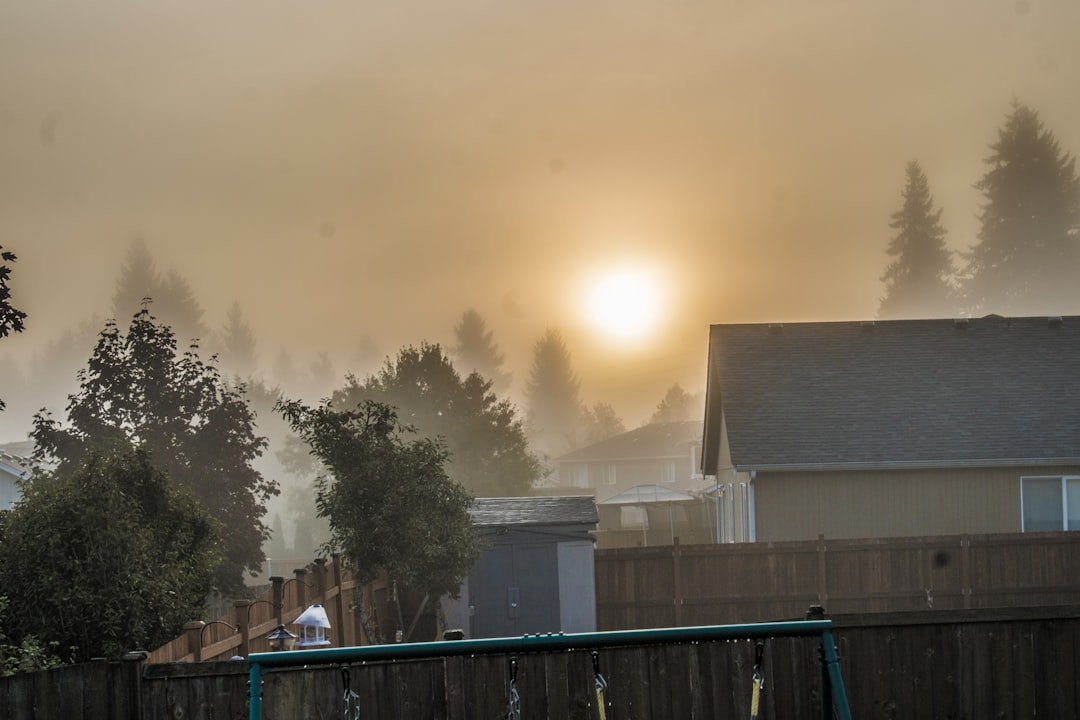
It’s a scenario you hope you never face. One minute, you're going about your day, and the next, the sky is turning an eerie orange. You can smell the smoke, and an official is at your door telling you it's time to go. Now.
That’s exactly what happened to residents in the small community of Gregory, Texas, this week. A wildfire, dubbed the Mill Fire, swept through the area, forcing families to grab what they could and evacuate. It’s a terrifying, chaotic moment.
In that rush, your mind is on your family, your pets, your irreplaceable photos. The last thing you want to be worrying about is money. But the reality is, evacuations are expensive. Where will you sleep? What will you eat? How will you replace the clothes you had to leave behind?
This is where your insurance is supposed to be your safety net. But so many people I talk to have no idea what their policy actually covers when something like this happens. So let's talk about it, using this real-life event as a crucial reminder to get our own houses in order.
It’s Not Just Flames: The Hidden Costs of an Evacuation
When we think of fire insurance, we picture a burned-down house. But the financial pain starts long before the flames ever reach your property. It starts the second you’re told to leave.
Think about it. You might need a hotel for a few nights, or even a few weeks. That’s hundreds, maybe thousands, of dollars right there. You’ll be eating every meal out. You might need to buy new clothes for work, toiletries, and other essentials because you only had minutes to pack.
This is where a key part of your homeowners or renters policy kicks in: Additional Living Expenses (ALE), sometimes called "Loss of Use" coverage.
Honestly, this is one of the most important and least understood parts of a policy.
ALE is designed to cover the difference between your normal living costs and what you have to spend while you're displaced. It’s not a blank check, but it helps you maintain your normal standard of living. So, if your monthly grocery bill is usually $800 but now you're spending $1,500 on restaurant meals, ALE can help cover that $700 difference. It pays for the hotel, the laundromat fees, and even furniture rental for a temporary place if you’re out of your home for a long time.
The key here? You need to have a "covered peril" force you from your home. A mandatory evacuation order due to a wildfire is a classic example. Keep every single receipt—for gas, for meals, for that toothbrush you had to buy at 2 a.m. Those little pieces of paper become your proof when you file a claim.
So, What Does Your Policy Actually Cover If the Worst Happens?
Okay, let's move past the evacuation and talk about the damage itself. A standard homeowners policy is pretty amazing when it comes to fire, but you need to know what the different parts of it do.
Think of your policy as a bundle of different coverages.
The Big Ones: Your House and Your Stuff
- Dwelling Coverage: This is for the structure of your house itself. The walls, the roof, the foundation. It’s meant to provide the money to rebuild your home from the ground up if it's a total loss.
- Personal Property Coverage: This covers everything inside your house. Your couch, your TV, your clothes, your kitchen gadgets. Most policies default to covering your stuff for about 50-70% of your dwelling coverage. Take a look at your policy and see if that’s really enough. You’d be surprised how quickly the cost of replacing everything adds up.
The Sneaky Damage: Smoke and Ash
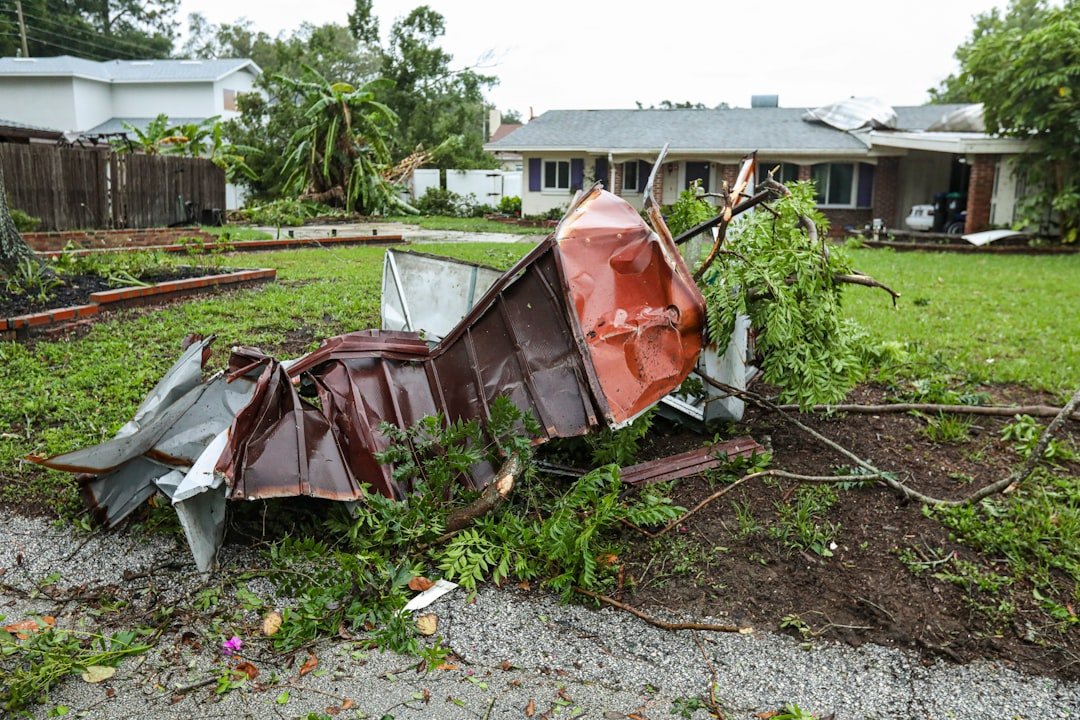
Even if the fire stops a block away from your home, you’re not necessarily in the clear. Smoke is incredibly destructive. It gets into everything—your walls, your carpets, your furniture, your clothes. The smell can be impossible to get out, and the acidic soot can ruin electronics and appliances.
The good news is that smoke damage is almost always covered as part of fire damage. Your insurance should pay for professional cleaning services and for replacing items that are ruined beyond repair. Don't underestimate this! I've seen claims where the smoke damage was almost as costly as the fire itself.
The Single Most Important Thing You Can Do Right Now
If you take one thing away from this article, let it be this: make a home inventory.
I know, I know. It sounds like a massive, boring chore. But I promise you, it is the single best thing you can do to protect yourself financially.
Imagine your home is gone. Now, sit down with a blank piece of paper and try to list every single thing you owned. Every book, every pair of shoes, every tool in the garage, every spice in the kitchen cabinet. It’s an impossible task, right? Your brain just can't do it, especially when you're stressed and traumatized.
But an insurance company needs that list to pay you for your belongings.
Here’s the easy way to do it:
- Grab your smartphone.
- Hit record on the video camera.
- Walk through your entire house. Open every closet, every drawer, every cabinet. Narrate what you're seeing. "Here's my good set of pans... here are my three winter coats... here's the Blu-ray player and all the movies."
- Don't forget the garage, the attic, and the shed!
- When you're done, upload that video to a cloud service like Google Drive, Dropbox, or just email it to yourself.
That's it. You've just created a nearly perfect record of your belongings. It might take you 30 minutes, and it could be worth tens of thousands of dollars if you ever need to file a claim. It turns a nightmare guessing game into a simple checklist.
When You Have to Make the Call
If you're ever in this situation, things will feel overwhelming. Just focus on one step at a time.
- Safety First: Your first priority is getting your family to safety. The insurance stuff can wait until you're out of harm's way.
- Call Your Insurer: As soon as you can, contact your insurance agent or the company's 24/7 claims hotline. Tell them you've been evacuated due to the fire. They will start the claims process and explain your ALE benefits.
- Document Everything: Take pictures of any damage. Keep all your receipts for expenses. Start a notebook to log every conversation you have with the insurance company, including the date, time, and who you spoke with.
- Wait for the Adjuster: Don’t start any major cleanup or hire contractors (unless it's for emergency mitigation, like boarding up a window) until an insurance adjuster has seen the property. They need to assess the damage to determine the scope of the claim.
The news coming out of Gregory is a powerful reminder that disasters don't just happen to other people on TV. They happen in our communities, to our neighbors.
Insurance can feel like just another bill you have to pay, but on days like this, it becomes one of the most important financial tools you have. It’s what allows a family to start over. Take 30 minutes this week. Pull out your policy declarations page. Do that video inventory. It’s the best peace of mind you can buy, and it’s a kindness to your future self who might one day desperately need it.