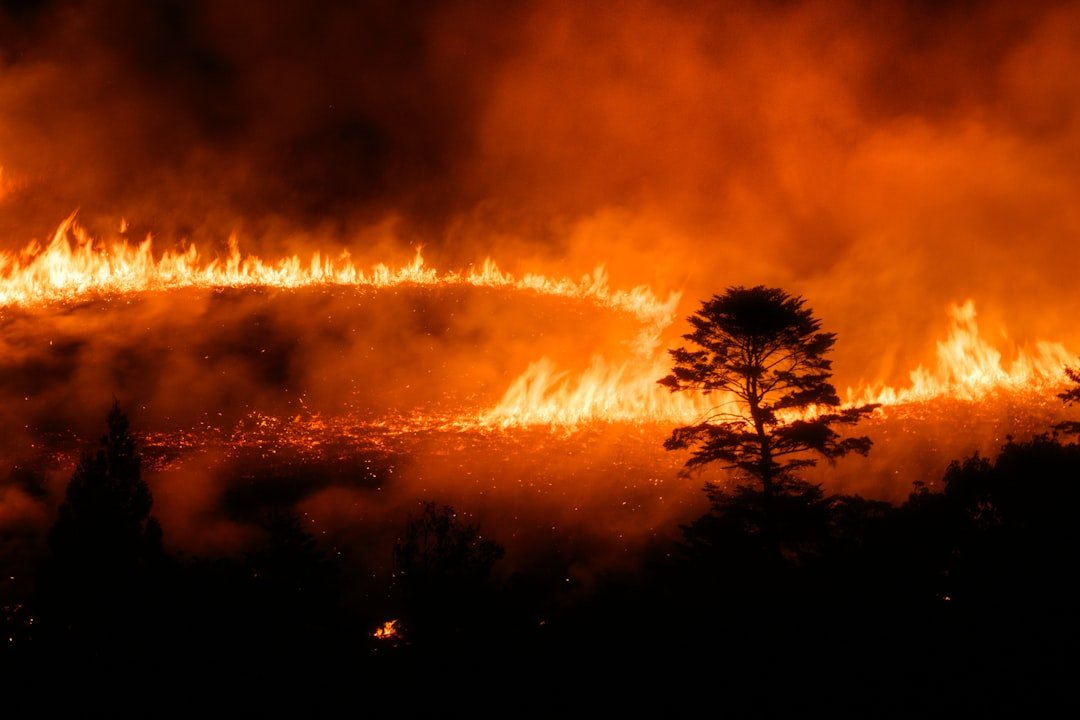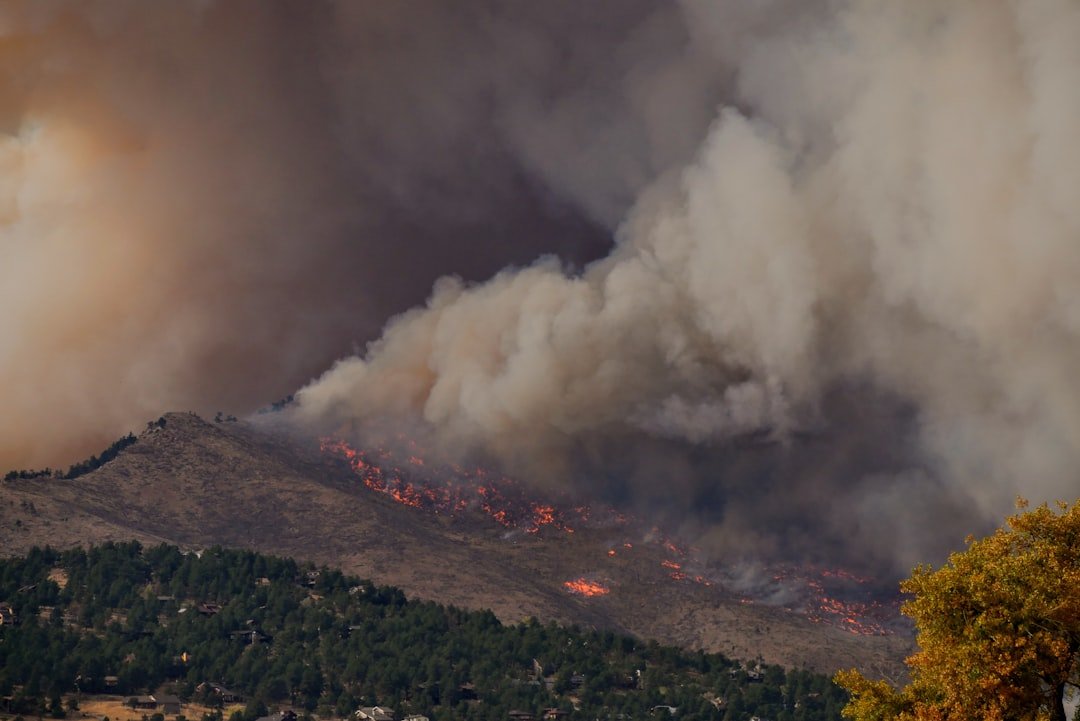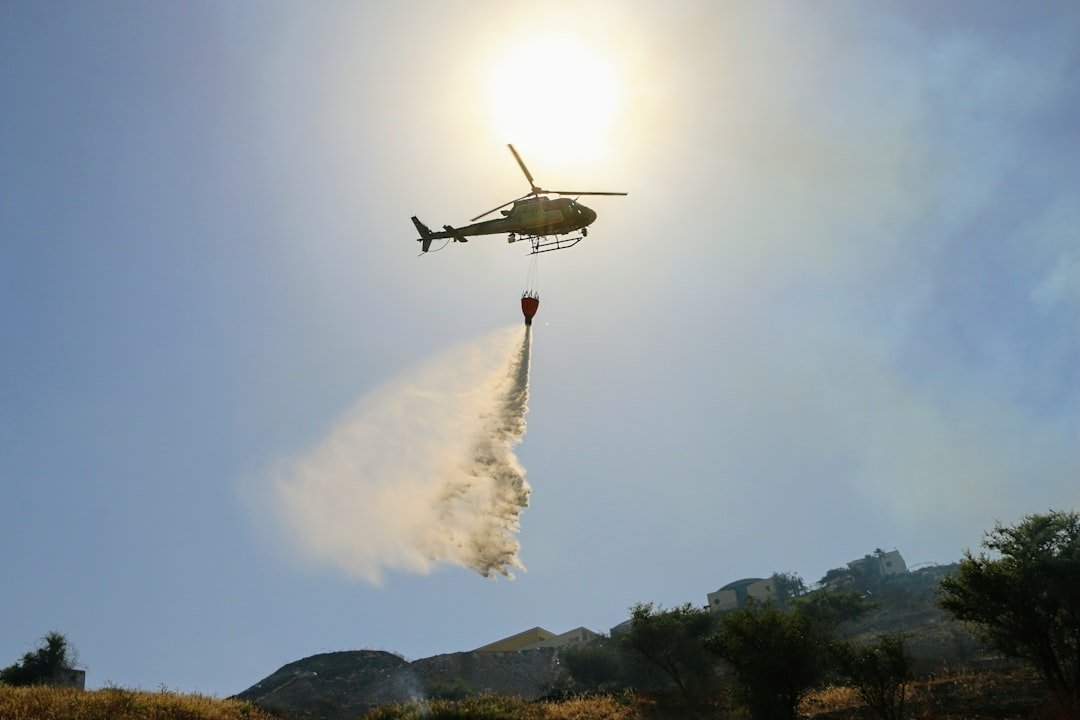
If you live anywhere in the American West, you know the feeling. That dry, hot wind kicks up, the sky gets a hazy orange tint, and your stomach just drops. Wildfire season isn't just a headline; it's a reality that shapes where we live, how we build, and how we sleep at night.
For years, it has felt like a losing battle. But I’ve got some genuinely good news to share today—something that feels like a real, practical step forward.
The Insurance Institute for Business & Home Safety, or IBHS, is expanding a program that could be a massive deal for homeowners in high-risk areas. Think of IBHS as the insurance industry’s top research nerds—the ones who set things on fire in a lab so we can figure out how to build things that don't catch on fire in the real world. And their program is finally rolling out in a much bigger way.
So, What’s This Big News All About?
Okay, let's get to the heart of it. IBHS has a designation called "Wildfire Prepared Home." It's basically a set of science-backed standards for making a home as resistant to wildfire as possible.
And here's the big announcement: they’ve just added seven new states to the program. This is huge.
The program is now available in:
- Arizona
- Colorado
- Idaho
- Montana
- New Mexico
- Utah
- Wyoming
These states join California, Oregon, and Nevada, bringing the total to ten Western states where homeowners and builders can now pursue this designation. If you're in one of these areas, this is something you'll want to pay close attention to.
What Exactly Does a 'Wildfire Prepared Home' Look Like?
This isn't just about clearing a few feet of brush from around your house (though that’s definitely part of it!). The Wildfire Prepared Home standard is a comprehensive, top-to-bottom approach. It’s based on years of research into how homes actually ignite during a wildfire.
Here’s a little secret most people don’t know: it’s usually not the giant wall of flames that destroys a home. It’s the blizzard of tiny, wind-driven embers that can travel a mile or more ahead of the fire. These embers are the real enemy. They get into vents, under eaves, and land on flammable roofing or siding.
The IBHS program focuses on hardening your home against these embers. Think of it like creating a protective bubble around your property.
It involves things like:
- The Roof: Using Class A fire-rated roofing materials, which are the most resistant.
- Vents: Installing ember-resistant vents on your attic and crawl spaces so those fiery little particles can't sneak inside.
- Siding: Using non-combustible siding materials for at least the bottom six inches of your exterior walls.
- Windows: Opting for multi-pane, tempered glass windows that are less likely to break from the heat.
- Decks: Building decks with non-combustible materials, as they are often a huge vulnerability.
- The "Zone Zero": This is the most critical part. It means creating a 5-foot non-combustible zone directly around the foundation of your home. No mulch, no flammable plants, no firewood piles. Just gravel, concrete, or pavers.
Getting the designation means your home meets a specific set of these and other criteria, all verified through a clear process. It’s a bit like getting your home a "fire-safety report card" that proves you’ve done the work.
Why This is More Than Just a Plaque on Your Wall
Okay, so you do all this work, and you get a fancy designation. So what? Why does it really matter?
Honestly, this is where it gets really interesting, especially from an insurance perspective.
First, and most obviously, it makes your home safer. It dramatically increases the odds that your house will be one of the ones left standing after a fire passes through. That’s peace of mind you can’t put a price on.
But second, and this is the part that could change everything, it gives the insurance industry a reliable standard to believe in. For years, insurers have struggled with how to price risk in wildfire zones. They know some homeowners are doing the right thing, but there hasn't been a consistent, verifiable way to measure it.
This program changes that.
When an underwriter sees that a home is a "Wildfire Prepared Home," they know it’s not just a guess. They know it meets a rigorous, science-based standard for risk reduction. In a world where some insurance companies are pulling out of high-risk states altogether, having this designation could become the key to:
- Getting coverage in the first place.
- Potentially qualifying for discounts on your premium.
- Making your home more attractive to buyers if you decide to sell.
It’s about giving homeowners a way to take control. Instead of just hoping for the best, you can take clear, defined steps to protect your property and, in the process, make it a much more insurable risk.
The Big Picture: A Path Forward in a Tough Market
Let's be real. The property insurance market in the West is tough right now. We've all seen the stories of skyrocketing premiums and non-renewals. It feels chaotic and, frankly, unfair to homeowners who are trying to do the right thing.
What I believe this IBHS program represents is a move away from chaos and toward collaboration. It creates a common language that homeowners, builders, real estate agents, and insurance companies can all understand.
A builder can use these standards to market a new development as "wildfire-ready." A real estate agent can use the designation as a selling point. And an insurance company can use it to more accurately assess risk and reward proactive homeowners.
It’s not a magic wand that will solve the entire wildfire crisis overnight. But it’s a powerful tool. It’s a shift from simply reacting to disasters to proactively building more resilient communities. And by expanding it to seven more states, IBHS is putting that tool into the hands of millions more people.
If you’re a homeowner in one of these states, I’d seriously recommend looking into it. This isn't just another checklist. It’s a roadmap for protecting your biggest investment and navigating the tricky world of insurance in an age of increasing climate risk. It’s a welcome piece of good, practical news in a fight that needs all the help it can get.