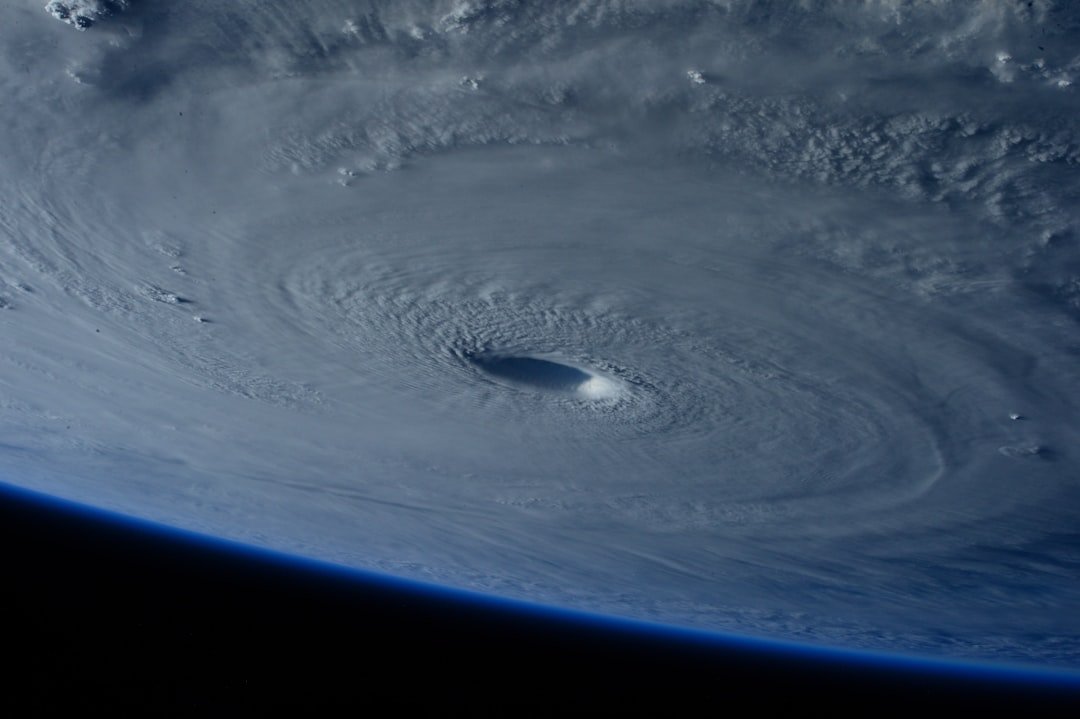
Well, we can all breathe a collective sigh of relief. Another Atlantic hurricane season is in the books, officially ending on November 30th. If you live anywhere from Texas to Maine, you know that feeling of holding your breath from June onward, one eye always on the tropics.
This year was… weird, wasn't it? It felt like a season of extremes. We had these frantic bursts of activity where the tropics just lit up, followed by long, almost eerie stretches of quiet. It was a real rollercoaster of a season that kept everyone on their toes.
So, now that the dust has settled, let's talk about what really happened in 2025. Was it as bad as predicted? And more importantly, what can we learn from it as we think about our homes, our businesses, and our insurance?
So, What Actually Happened This Year?
If you were to describe the 2025 hurricane season in one word, it might be "inconsistent." That’s exactly what the experts over at the National Oceanic and Atmospheric Administration (NOAA) pointed out. It wasn't a steady drumbeat of storms. Instead, it was more like a sputtering engine—roaring to life for a few weeks, then going silent.
Think about it. We had periods where it seemed like a new storm was forming every other day, sending forecasters scrambling and coastal residents rushing to the hardware store. Then, just as suddenly, everything would go quiet. You could almost forget it was the peak of the season.
This stop-and-go pattern is interesting because it tests us in different ways. The intense periods are an obvious physical and financial threat. But the quiet times? They can lull us into a false sense of security, which is just as dangerous.
Did the Experts Get It Right?
Here’s the thing that might surprise you. Despite the season's strange personality, it actually ended up falling right within the range that NOAA predicted way back in the spring.
It’s easy to second-guess these forecasts, especially during those quiet weeks. You start to think, "Maybe they got it wrong this year. Maybe we're in the clear." But meteorology is a long game. They aren't predicting the feel of the season, but the final numbers.
And when you add up all the named storms, hurricanes, and major hurricanes, the final tally landed squarely in the "near-normal" or "slightly above-normal" activity zone they forecasted. It's a great reminder that even when it feels quiet, the potential is always there, simmering just below the surface.
Why This Matters for Your Insurance
From an insurance perspective, this is huge. Insurers rely heavily on these forecasts to prepare for potential claims. When a season unfolds as predicted, it means their models were largely correct. They had the right amount of capital set aside and the right number of adjusters on standby.
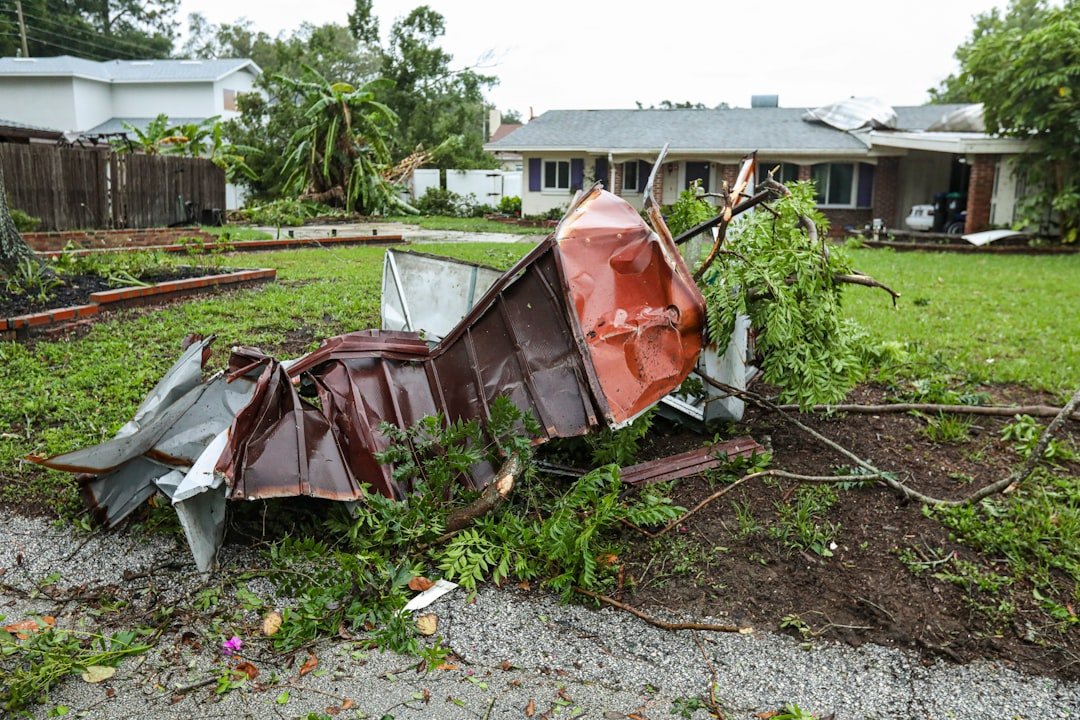
For you, the homeowner or business owner, it means the system worked more or less as intended. But those intense bursts of activity are where the rubber meets the road. A single powerful storm hitting a populated area can cause more damage and more claims than a dozen weaker storms that stay out at sea. This season was a perfect example of how it’s not just about the number of storms, but where they go and how strong they are when they get there.
The Takeaway: Don't Let the Quiet Fool You
If there's one lesson to take away from the 2025 season, it's this: never let your guard down. Just because the tropics are quiet for a few weeks doesn't mean the season is over. All it takes is one storm to change your life.
This is the perfect time—right now, in the off-season—to do a check-up on your own preparedness.
- Pull out your insurance policy. Do you actually know what it covers? Is your coverage amount still enough to rebuild your home at today's construction costs?
- Understand your hurricane deductible. This is often a percentage of your home's insured value, not a flat dollar amount. You need to know exactly how much you'd have to pay out-of-pocket before your insurance kicks in. It can be a shockingly high number if you're not prepared.
- What about flood insurance? Remember, standard home insurance does not cover flooding from storm surge. That's a separate policy, and it's something every single person in a coastal area should seriously consider.
The end of hurricane season gives us a much-needed break. But it's also our best opportunity to get ready for the next one. Use this quiet time to make sure you're not just hoping for the best, but that you're truly prepared for the worst. After the rollercoaster of 2025, it’s clear that being ready is the only thing we can truly control.