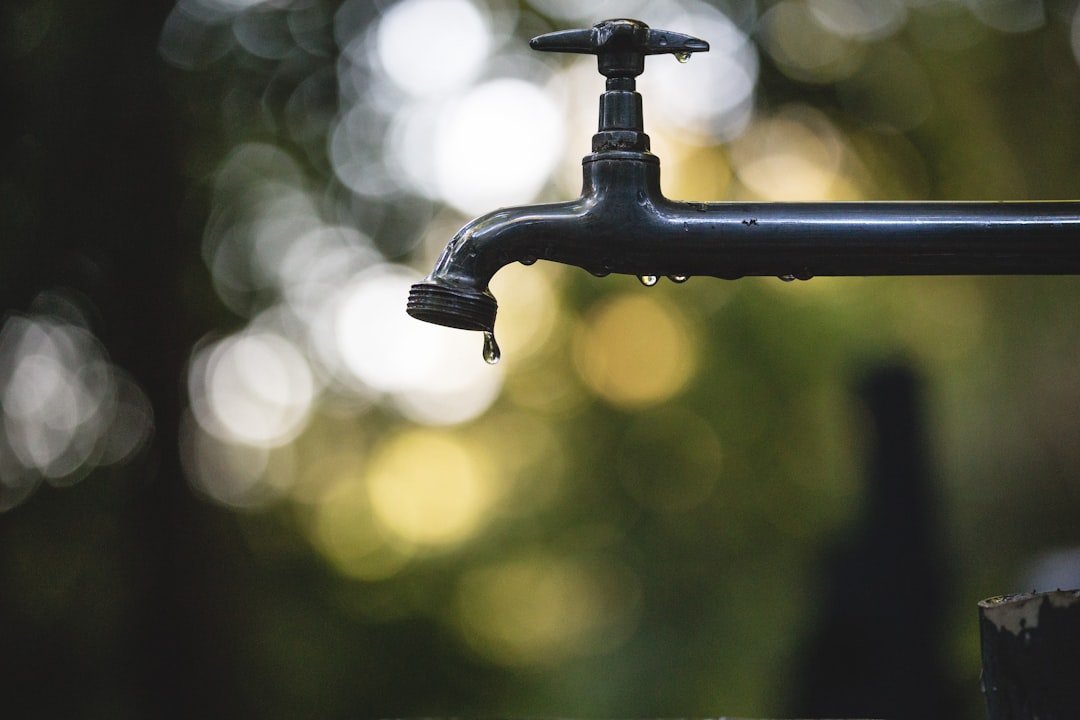
Have you ever thought about what would happen if you turned on your faucet and nothing came out? Not for an hour because of a water main break, but for days, or even weeks.
It sounds like something out of a movie, but for the people in Corpus Christi, Texas, it's becoming a terrifyingly real possibility. After five straight years of scorching heat and barely any rain, the city is on the brink of becoming the first major U.S. city to run dangerously short of water.
As someone who spends their days deep in the world of insurance, this kind of story sets off all sorts of alarm bells. It’s not just about being thirsty. A city-wide water crisis is a slow-motion disaster with massive, and often uninsured, consequences.
Let's break down what's happening and, more importantly, what it means for your home, your business, and that insurance policy you probably haven't looked at in a while.
What a Water Shortage Actually Looks Like
When we hear "water crisis," we usually picture people lining up for bottled water. And yes, that's part of it. But the real problems run much, much deeper.
Think about it. Water isn't just for drinking. It's for sanitation. It's for agriculture. It's for manufacturing. And crucially, it's for fighting fires.
When a city’s water reserves get critically low, local leaders have to make some impossible choices. They start with water restrictions—you can only water your lawn on certain days, for example. But if things get worse, they might have to start rationing water pressure or even shutting off water to certain areas for parts of the day.
This is where the ripple effects start, and they flow directly into the world of insurance.
The Insurance Nightmare Hiding in a Drought
A water shortage isn't a sudden event like a hurricane or a tornado. It's a creeping, growing risk that undermines the very assumptions our insurance policies are built on.
Here’s the thing: your insurance company assumes that your local fire department will have enough water to put out a house fire. It assumes the ground under your home will remain relatively stable. A long-term drought throws all of that into question.
Let's look at the three biggest risks.
1. The Growing Threat of Fire
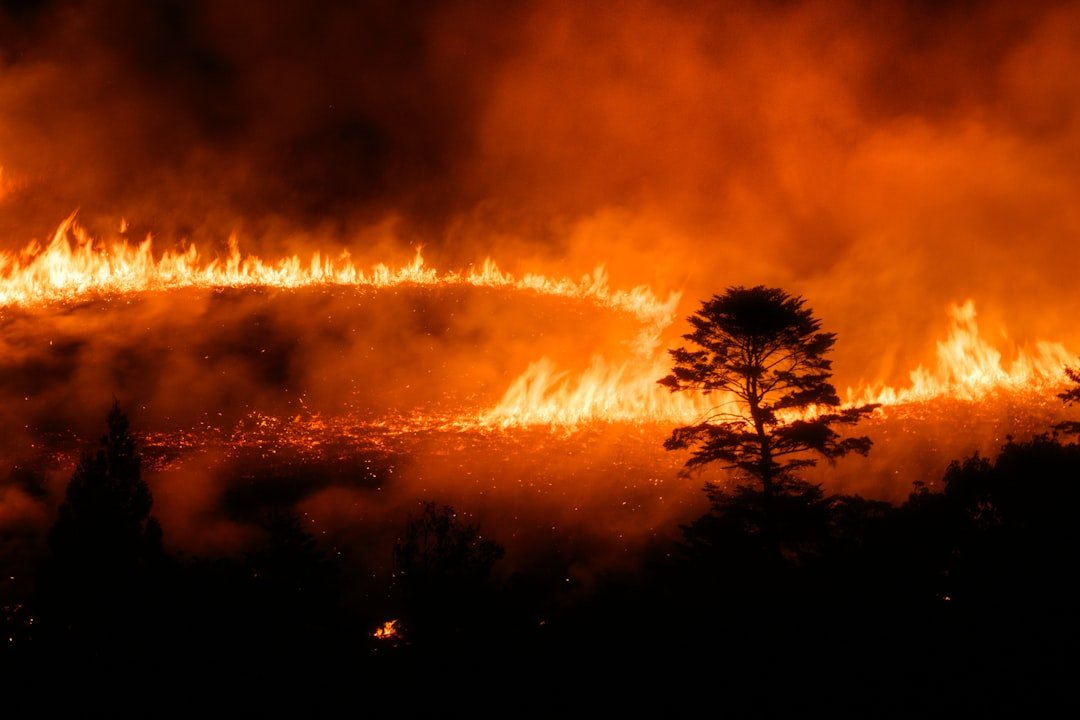
This is the most immediate and frightening risk. Firefighters rely on a steady, high-pressure flow of water from hydrants to do their jobs. When reservoir levels drop, so does water pressure.
Imagine a fire starts in your kitchen. You call 911, and the fire trucks arrive, but when they hook up to the nearest hydrant, all they get is a trickle. A small, containable fire can quickly become a neighborhood-destroying catastrophe.
Insurance companies are all about calculating risk, and they get very nervous when a fundamental safety system like a city's water supply is compromised. If this becomes a long-term problem, you can bet we'll see two things happen in an area like Corpus Christi:
- Skyrocketing Premiums: Homeowners and business insurance rates could jump significantly to reflect the higher risk of a total loss from fire.
- Non-Renewals: In the most extreme cases, some insurers might decide the risk is too high and stop offering coverage in the area altogether.
2. When the Ground Gives Way: Subsidence and Your Foundation
This one is sneaky. You don't see it happening until the cracks start to appear in your walls.
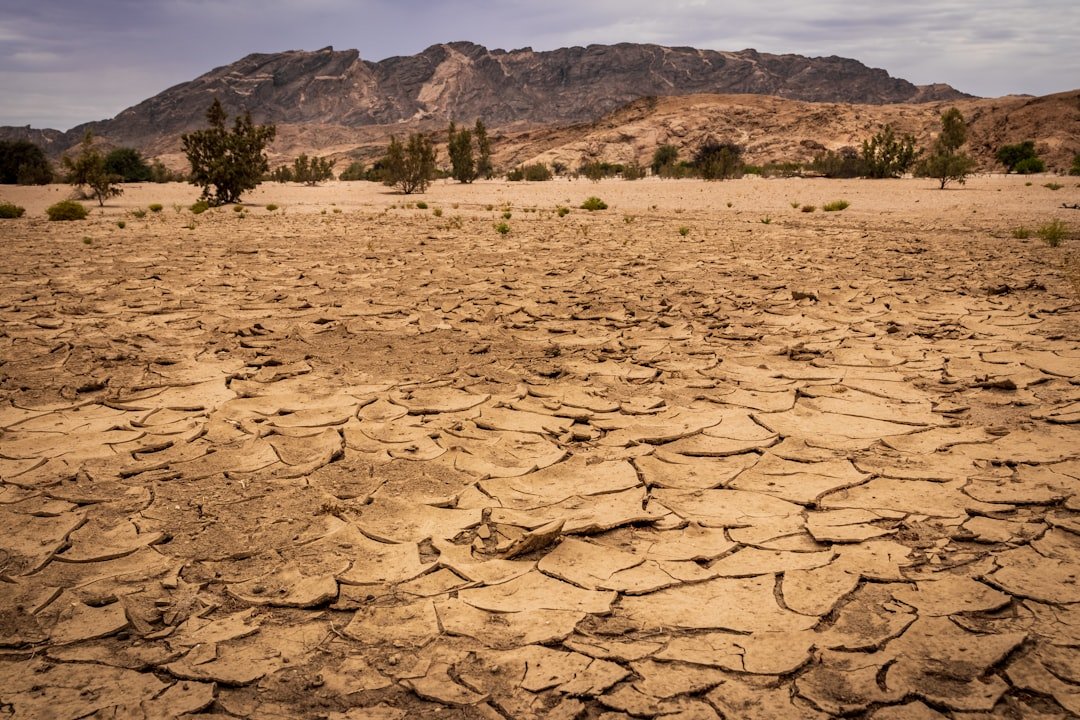
The soil under your home has a certain amount of moisture in it. During a prolonged drought, that moisture evaporates. Clay-rich soils, which are common in many parts of Texas, literally shrink as they dry out.
When the ground shrinks, it can pull away from your home's foundation, causing it to shift, settle, or crack. We call this subsidence, and repairing a damaged foundation can cost tens of thousands of dollars.
So, is it covered by your standard homeowner's policy? I hate to be the bearer of bad news, but almost certainly not. Damage from earth movement—including settling, cracking, and subsidence—is a standard exclusion in most policies. You often need to buy a special endorsement, and even then, it can be hard to get and expensive.
3. The Domino Effect for Local Businesses
If you own a business, a water crisis can be an existential threat. Think of all the businesses that depend on a steady supply of water:
- Restaurants (washing dishes, cooking, cleaning)
- Car washes and laundromats
- Hotels (laundry, sanitation, swimming pools)
- Manufacturing plants
- Hospitals and clinics
If the city imposes severe water rationing, these businesses might be forced to close their doors for days or weeks. This is exactly what Business Interruption (BI) insurance is for, right?
Well, maybe.
Standard BI coverage is usually triggered by direct physical damage to your property from a covered event (like a fire or windstorm). A government-ordered shutdown due to a water shortage? That’s a huge gray area. Unless your policy has a specific "Contingent Business Interruption" clause or "Utility Services" endorsement that covers this exact scenario, you could be out of luck.
So, What Can You Do?
Okay, I know this all sounds pretty grim. And if you’re living in an area facing drought, it’s easy to feel helpless. But you’re not. While we can't make it rain, we can be prepared.
Think of this as a call to give your insurance policy a quick "health check-up."
-
Pull Out Your Policy: I know, I know. It's boring. But take 15 minutes and find the "Exclusions" section of your homeowner's or business policy. Look for terms like "earth movement," "subsidence," "settling," and "utility failure." Know what you're not covered for.
-
Call Your Agent: This is the most important step. Your insurance agent is your best resource. Ask them direct questions: "Am I covered if a fire gets out of control because of low water pressure?" "What happens if my foundation cracks from the soil drying out?" "Does my business policy cover a shutdown due to a city water shortage?"
-
Ask About Endorsements: See if there are any add-ons (we call them endorsements) you can buy to fill these gaps. It might cost a little more, but it could be the difference between a manageable problem and a financial disaster.
The situation in Corpus Christi is a wake-up call. It's a stark reminder that climate and weather patterns are changing, and these changes have real-world financial consequences. As droughts become more common and more severe across the country, these are conversations we all need to be having.
It's not about being paranoid; it's about being proactive. Taking a little time now to understand your risks and your coverage is one of the smartest investments you can make. After all, insurance is meant to be there for the unexpected, but in a world with changing risks, we have to make sure our protection is keeping up.