Have you seen the news out of Corpus Christi, Texas? They were staring down the barrel of a full-blown water crisis, but a surprisingly rainy April bought them a little more time—about three months, to be exact.
It’s one of those “phew, close call” moments. A bit of good luck. But as someone who spends their days deep in the world of insurance, I see a story like this and my mind immediately goes to the risks that linger long after the rain stops.
Because here’s the thing: that temporary reprieve doesn't solve the underlying problem of a brutal, long-term drought. And for homeowners, not just in Texas but all over the country, drought isn't just about a brown lawn or water restrictions. It’s a quiet, creeping threat that can cause some of the most expensive and heartbreaking damage to a home. And guess what? Your standard insurance policy might not cover a dime of it.
So, let's talk about what a story like this really means for you and your biggest asset.
More Than Just a Thirsty Lawn: The Real Damage Drought Can Do
When we think of weather-related insurance claims, our minds usually jump to the dramatic stuff, right? Hurricanes, tornadoes, hailstorms. But drought is different. It’s a slow-motion disaster, and its effects are often misunderstood until it’s way too late.
The Ground Beneath Your Feet is Shrinking
This is the big one, and it catches so many people by surprise.
Think of the soil your house is built on like a giant kitchen sponge. When it’s full of water, it’s plump and supportive. But when a drought hits and that soil dries out, the sponge shrinks. The ground literally pulls away from your foundation.
What happens next is simple physics. Without that even support, parts of your foundation can sink or shift. You start seeing hairline cracks in your drywall. Doors and windows start sticking. Before you know it, you’ve got a massive structural problem that can cost tens, or even hundreds, of thousands of dollars to fix.
It’s a nightmare scenario, and it’s a direct result of drought.
A Tinderbox Waiting for a Spark
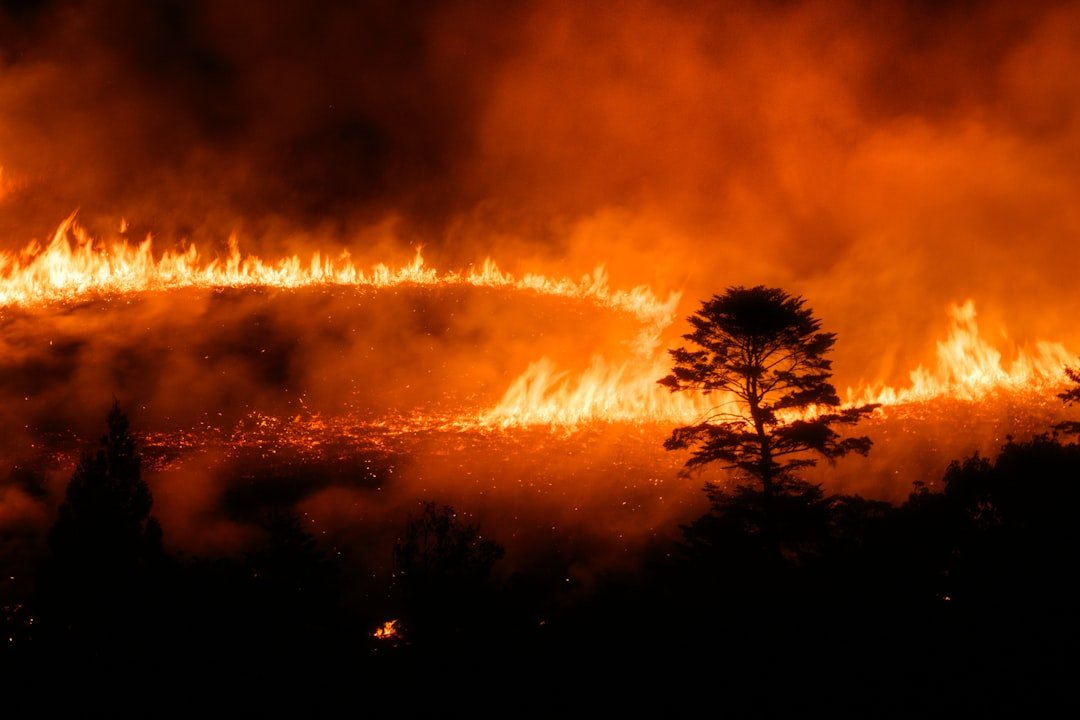
This one is a little more obvious, but no less terrifying. Prolonged drought turns everything into fuel. Trees, shrubs, grass—the beautiful landscaping around your home becomes a massive fire hazard.
We're seeing this play out in real-time across the country. Wildfire seasons are getting longer and more destructive. Insurers are paying out billions, and in response, they’re getting much, much smarter about assessing this specific risk. They use incredibly detailed satellite maps to see exactly how much "fuel" is surrounding your property.
A drought doesn't just increase the chance of a fire; it dramatically increases the potential severity of one, which has huge implications for your insurance.
"Am I Covered for This?" The Million-Dollar Question
Okay, so we know drought can wreck your foundation and turn your neighborhood into a fire risk. The next logical question is, "Does my homeowner's insurance have my back?"
The answer is... complicated. And honestly, it’s often not the one people want to hear.
The "Earth Movement" Exclusion
Let's go back to that shrinking soil and your cracked foundation. You’d think that would be covered, right? It’s damage to your home from a natural event.
Unfortunately, almost every standard homeowner's policy (often called an HO-3) has something called an "Earth Movement" exclusion. This clause is designed to exclude things like earthquakes, landslides, and mudslides. But insurers often lump in damage from soil shifting, settling, and shrinking right along with it.
So that catastrophic foundation repair bill? It’s likely coming straight out of your pocket. It’s one of the most painful gaps in standard home insurance coverage, and most homeowners have no idea it exists.
Wildfire: Covered, But at What Cost?
Here’s some good news! Damage from fire, including wildfire, is a "named peril" that is almost universally covered by home insurance. If your home is damaged or destroyed in a wildfire, your policy is designed to step in and help you rebuild.
But there’s a huge "but" here.
The problem isn't the coverage itself; it's the availability and affordability of that coverage. As wildfire risk increases due to drought, insurers are pulling back from high-risk areas. They might:
- Non-renew your policy: They simply decide the risk is too high to continue insuring you.
- Dramatically increase your premium: The price of your policy could double or triple at renewal.
- Increase your deductible: You might have a separate, much higher deductible specifically for wildfire or wind damage.
So while you might be covered today, a prolonged drought in your region could make it incredibly difficult or expensive to stay insured tomorrow.
You're Not Helpless: How to Be Proactive
Reading all this can feel a bit scary, I get it. But the story out of Corpus Christi is a perfect reminder that a little bit of breathing room is a gift. It’s a chance to prepare. You can take steps right now to understand your risk and protect yourself.
1. Actually Read Your Policy. I know, I know. It’s dense and boring. But you have to do it. Grab a highlighter and look for the "Exclusions" section. Find the part about "Earth Movement." See what it says about settling, shrinking, and shifting. If you can’t make sense of it, that’s what your agent is for.
2. Call Your Agent and Ask Point-Blank. Don't be shy. Call them up and say, "I'm concerned about drought-related foundation damage. Am I covered if my foundation cracks because the soil shrinks?" Ask them, "Do I have a separate deductible for wildfires?" Getting clear, direct answers is the single most important thing you can do.
3. Look Into Mitigation. There are things you can do to make your home more resilient. For foundation protection, this could mean installing a soaker-hose system around your home to keep the soil moisture consistent during dry spells. For wildfire risk, it means creating "defensible space" by clearing brush and flammable materials away from your house. These steps not only protect your home but also make you a much more attractive risk to an insurance company.
That brief bit of rain in Texas was a lucky break, but we can't rely on luck. These weather patterns are becoming our new reality. Understanding how these slow-moving events connect to your insurance policy isn't just a good idea anymore—it's a critical part of being a responsible homeowner. It’s about making sure that when the ground beneath you shifts, your financial security doesn't shift with it.