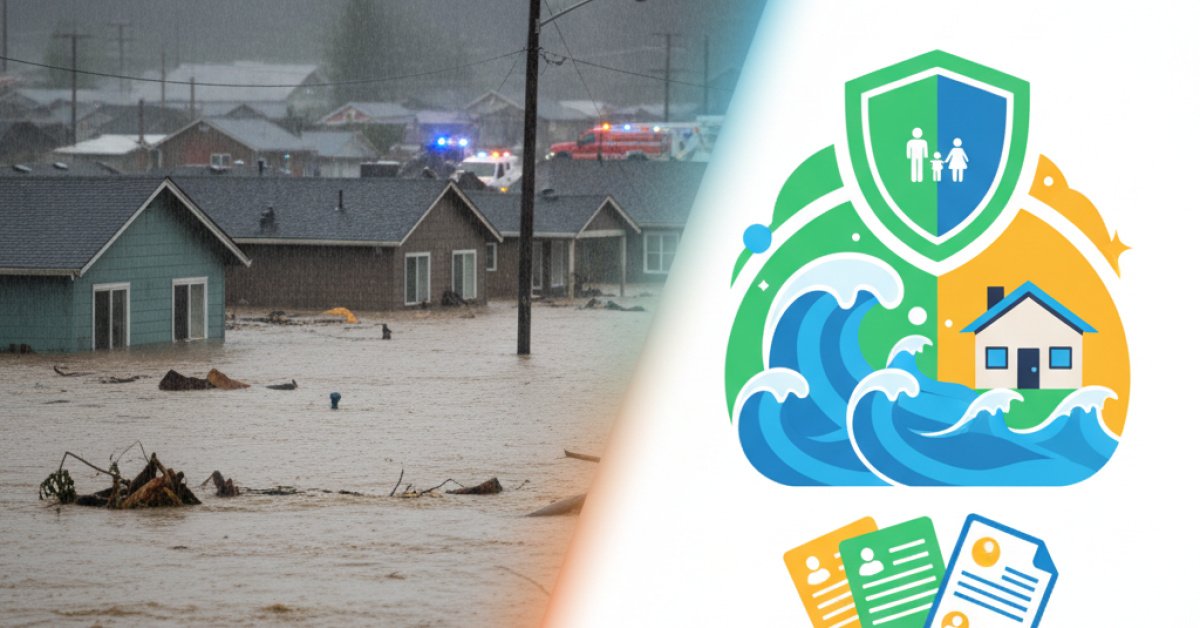
It’s hard to watch the news coming out of Washington state right now. The images are just gut-wrenching. We’re seeing families stranded on their rooftops, bridges completely washed out, and even entire homes ripped from their foundations by the sheer force of the water.
Days of relentless rain have unleashed historic flooding, and honestly, it’s the kind of thing you see in a disaster movie, not what you expect to see on your local news. But for these families, it's a terrifying reality. And experts are warning that it might not even be over yet, with more catastrophic flooding potentially on the way.
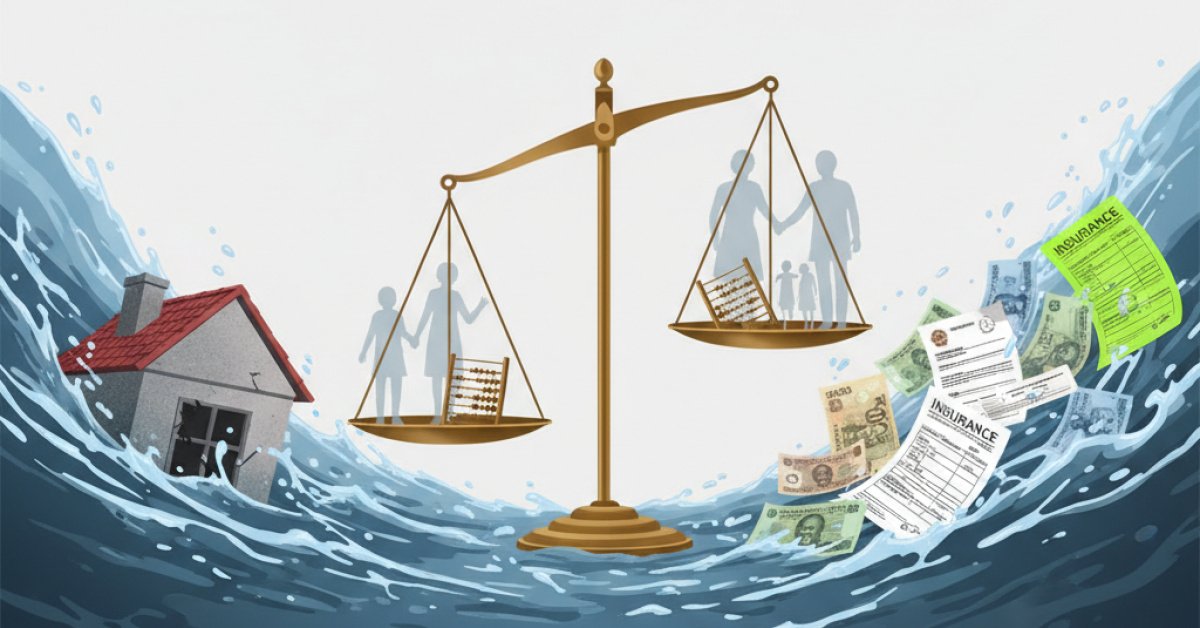
When I see stories like this, my heart breaks for the people involved. But the insurance professional in me immediately thinks about the aftermath. What happens when the water recedes? How do these families even begin to rebuild their lives? It’s a question that leads to an uncomfortable but absolutely essential conversation we all need to have.
More Than Just a News Story: A Painful Reality Check
Let’s be real for a second. When you see a disaster unfolding somewhere else, it’s easy to feel a sense of distance. "That's terrible," you might think, "but that would never happen here."
I get it. We all do it. But the families in Washington probably thought the same thing last week.
They weren't living in a mythical flood plain from a geography textbook. They were living in neighborhoods, in homes they had built lives in. Now, they’re facing a future where they have to start from scratch. This isn't just about property; it's about the financial and emotional devastation that follows.
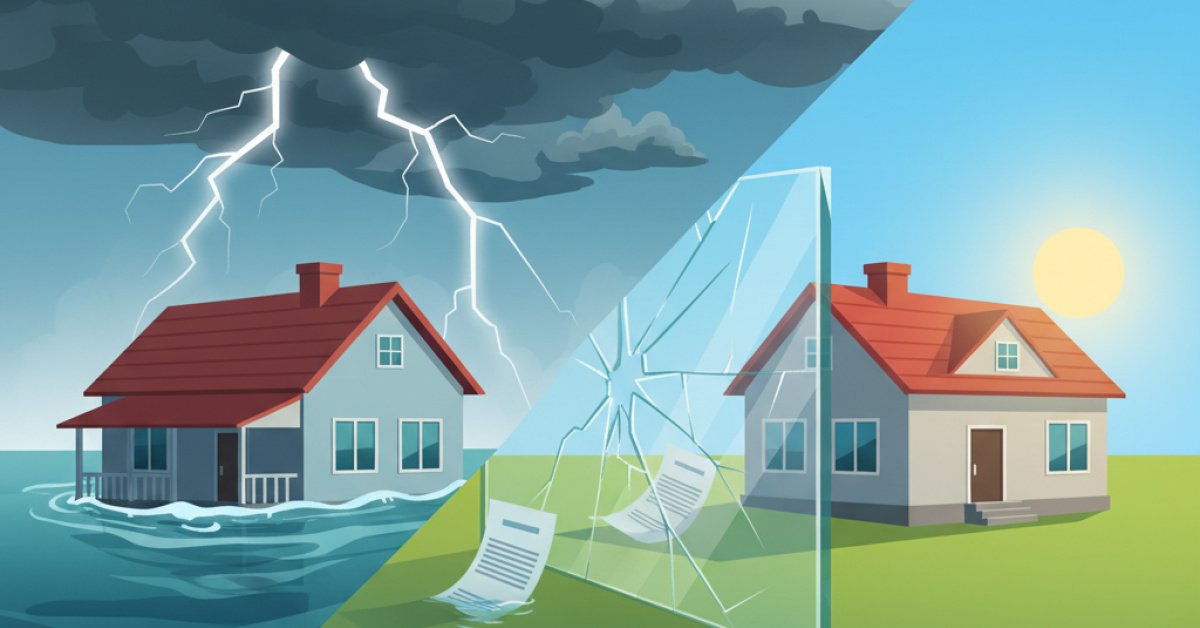
And here’s the single most important, and often misunderstood, piece of this puzzle: a standard homeowners insurance policy will not cover this kind of damage. Let me say that again. Your homeowners insurance almost certainly does not cover damage from flooding.
It’s one of the biggest and most costly assumptions people make. They think, "I have home insurance, I'm covered for everything." But floods, earthquakes, and a few other specific perils are typically excluded. They require a separate, dedicated policy.
"But I Don't Live in a Flood Zone!"
I hear this all the time. It’s probably the number one reason people skip buying flood insurance. They pull up a government map, see they’re in a low-risk "Zone X," and breathe a sigh of relief.
Here's the thing you have to understand: those maps are, at best, an educated guess based on historical data. They don't predict the future, and they certainly don't account for the "once-in-a-century" storms that seem to be happening every few years now.
Think about it like this: just because you don't live on a major highway doesn't mean you can't get into a car accident on your quiet residential street. Risk is everywhere.
In fact, according to FEMA, more than 20% of all flood insurance claims come from properties located outside of high-risk flood zones. These are people who, just like you, probably thought they were safe. The torrential rains in Washington are a perfect, tragic example of how quickly a low-risk area can become the center of a disaster.
So, What Does Flood Insurance Actually Cover?
Okay, let's say you're convinced. What are you actually buying when you get a flood insurance policy? It’s a lot less complicated than you might think. Most policies, especially those from the National Flood Insurance Program (NFIP), are broken down into two main parts.
1. Building Coverage
This is the part that protects the physical structure of your house. Think of it as coverage for the house itself. This includes:
- The foundation and walls
- Electrical and plumbing systems
- HVAC equipment like your furnace and water heater
- Built-in appliances like your dishwasher
- Permanently installed carpeting over an unfinished floor
2. Contents Coverage
This is for all your stuff inside the house. This is a separate coverage you have to choose to buy, but I always recommend it. A house is just a structure, but your belongings are what make it a home. This can cover:
- Furniture, clothing, and electronics
- Curtains and rugs
- Portable appliances (like your microwave)
- Washers and dryers
- Valuable items like artwork (up to a certain limit)
It’s important to know what isn't covered, too. Things like landscaping, decks, patios, and finished basements often have limited or no coverage. It’s crucial to talk to an agent and understand the specifics of your policy so there are no surprises later.
The Most Important Rule: Don't Wait for the Rain
If you take only one thing away from this article, let it be this: you cannot wait until a storm is in the forecast to buy flood insurance.
There is typically a 30-day waiting period from the time you purchase a policy until it actually goes into effect.
Why? It’s to prevent people from buying insurance only when they know a flood is imminent. It’s the same reason you can't buy car insurance for a vehicle that's already been totaled. Insurance is designed to protect against a future, uncertain risk, not a present, certain event.
Watching the news from Washington and then frantically calling for a flood insurance quote won't help you for that specific storm. You have to be proactive. You have to put the protection in place during the "blue sky" days so it's there for you when the storm clouds gather.
Planning ahead is the only way this works. It’s about making a smart decision today to protect your family from a devastating financial loss tomorrow. The peace of mind it provides is worth every penny. So please, take a moment today. Look into your options. Don't let a disaster be the reason you finally think about flood insurance—by then, it's already too late.