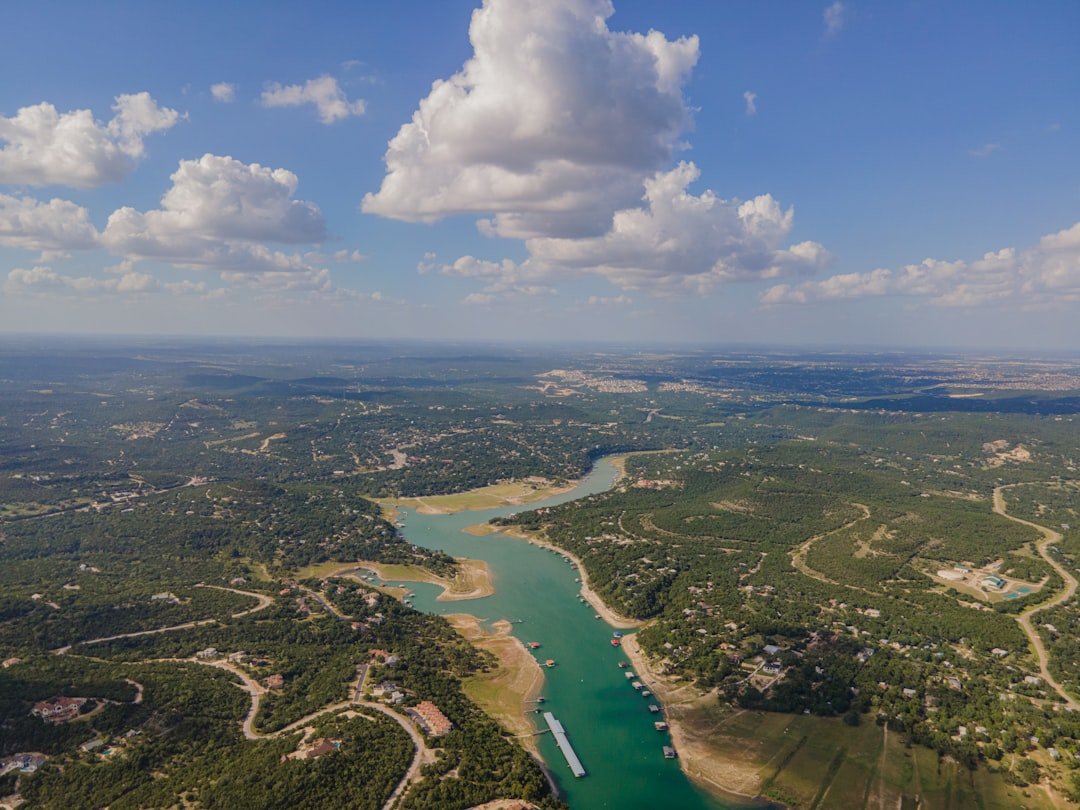
You know that feeling in the pit of your stomach when a severe weather alert blares across your phone? The sky gets that weird, dark color, and the wind starts to pick up. If you’re in the Texas Hill Country right now, you know exactly what I’m talking about. With a big band of storms rolling in, the talk is all about the potential for heavy rain and, unfortunately, flooding.
It’s especially nerve-wracking when you remember what happened just last year around the Fourth of July. Those memories are still fresh for a lot of folks. So when the forecast starts looking grim, it’s only natural to start thinking about your home, your family, and whether you’re truly protected.
We all pay for homeowners insurance, and we hope we never have to use it. But in moments like these, you start to wonder, "Am I actually covered for this?" It's a simple question, but the answer can get complicated. Let's talk about it, friend to friend.
Wait, Doesn't My Homeowners Insurance Cover Flooding?
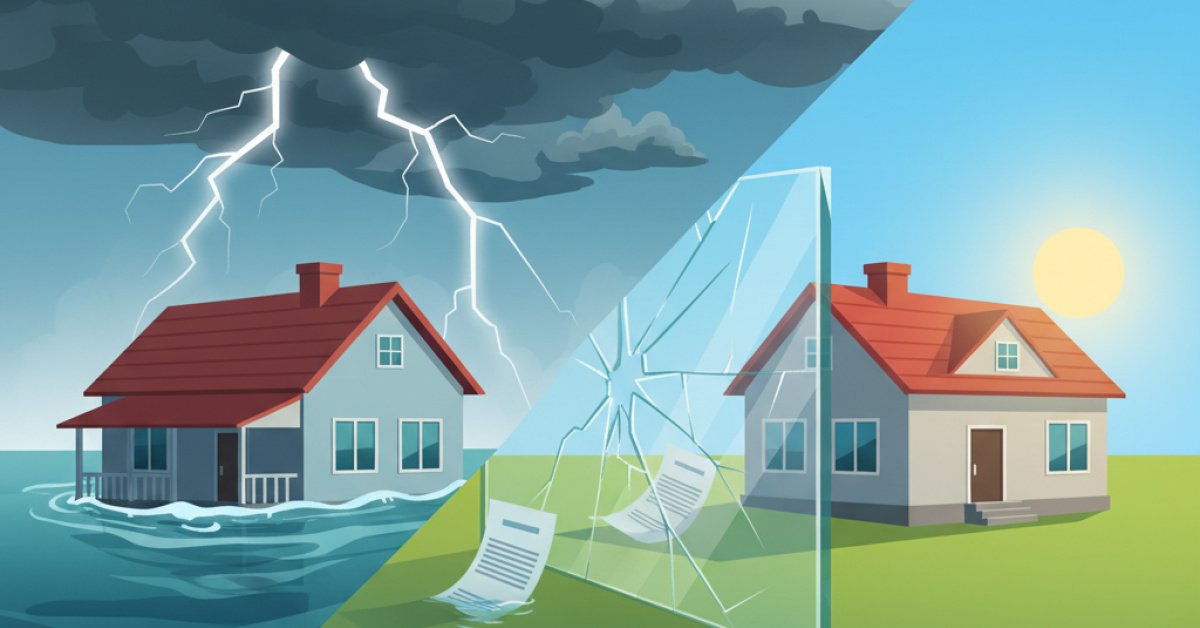
I wish I had better news, but this is one of the biggest and most costly misunderstandings in the insurance world. The short, simple answer is no. Your standard homeowners or renters insurance policy does not cover damage from flooding.
I know, it feels completely counterintuitive. A storm is a storm, right?
Think of it like this: your homeowners policy is designed to protect you from things like wind, hail, fire, or a tree falling on your roof. It covers damage from water that comes from inside your house (like a burst pipe) or from the sky down (like rain coming through a hail-damaged roof).
But floodwater is different. We’re talking about water that rises from the ground up—creeks overflowing their banks, streets turning into rivers, and water seeping into your foundation. From an insurance standpoint, that’s a totally separate category of risk, and it requires a completely separate policy.
So, What Exactly IS Flood Insurance?
Since your regular policy won’t help, you need a dedicated flood insurance policy. For most people, this comes from the National Flood Insurance Program (NFIP), which is a federal program. You can usually buy it through the same agent who handles your home insurance.
A flood policy is typically broken into two parts, and you can often buy one or both:
- Building Coverage: This is for the structure of your house itself. It helps pay to repair or rebuild your home's foundation, walls, electrical and plumbing systems, furnace, and water heater. It's the nuts and bolts of your house.
- Contents Coverage: This part is for your personal belongings. Think furniture, clothes, electronics, curtains, and other portable items. It helps you replace the stuff that makes your house a home.
It’s really important to know that you often have to specifically choose to buy both. Don't just assume your policy covers everything.
The Catch: You Can't Buy It at the Last Minute
Here’s the thing that trips up so many people, and it’s absolutely critical to understand. You can't just watch the weather report, see a storm coming, and decide to buy flood insurance.
Why not? Because most new NFIP policies have a 30-day waiting period before they go into effect.
If you’re reading this as the rain is starting to fall in Central Texas, it’s unfortunately too late to get coverage for this specific storm. And that’s a tough pill to swallow. But please, let this be the moment you decide to protect yourself for the next time. Because in Texas, we all know there will always be a next time.
What to Do RIGHT NOW If You're in the Storm's Path
Okay, so the storm is on its way. What can you do in the immediate future to protect yourself, whether you have insurance or not?
If you DO have a flood insurance policy:
- Find Your Policy: Pull out your documents or log into your online portal. Know your coverage limits and your deductible. This isn't fun reading, but you need to know what you're working with.
- Take "Before" Photos: Walk around your house, inside and out, with your smartphone. Take pictures and videos of everything. This documentation is priceless if you have to file a claim later.
- Move Valuables Up: If you have a second story, now is the time to move important documents, photos, electronics, and sentimental items upstairs. If you’re in a one-story home, get things up on shelves, countertops, or tables. Every inch counts.
If you DON'T have flood insurance:
- Safety First: Your stuff can be replaced. You can't be. Follow all local evacuation orders and emergency guidance. "Turn Around, Don't Drown" isn't just a slogan; it's a lifesaver.
- Protect What You Can: Do what’s possible to minimize damage. Use sandbags if you have them. Move furniture and electronics off the floor. Unplug major appliances.
- Keep Receipts: If you buy tarps, sandbags, or other supplies to protect your home, keep those receipts. In some cases, federal disaster assistance (which is very different from insurance) might offer some limited reimbursement.
Weather like this is a powerful reminder that we can’t control Mother Nature. What we can control is how we prepare for her. The threat of flooding in the Hill Country is very real, and it’s not just for people living right on the riverbanks. Heavy rains can cause flash floods anywhere.
Take this storm as a serious wake-up call. Talk to your insurance agent this week about a flood policy. Ask the hard questions. Find out what it would cost. Because the peace of mind that comes with knowing you’re protected is worth so much more than the paper the policy is written on. Stay safe out there.