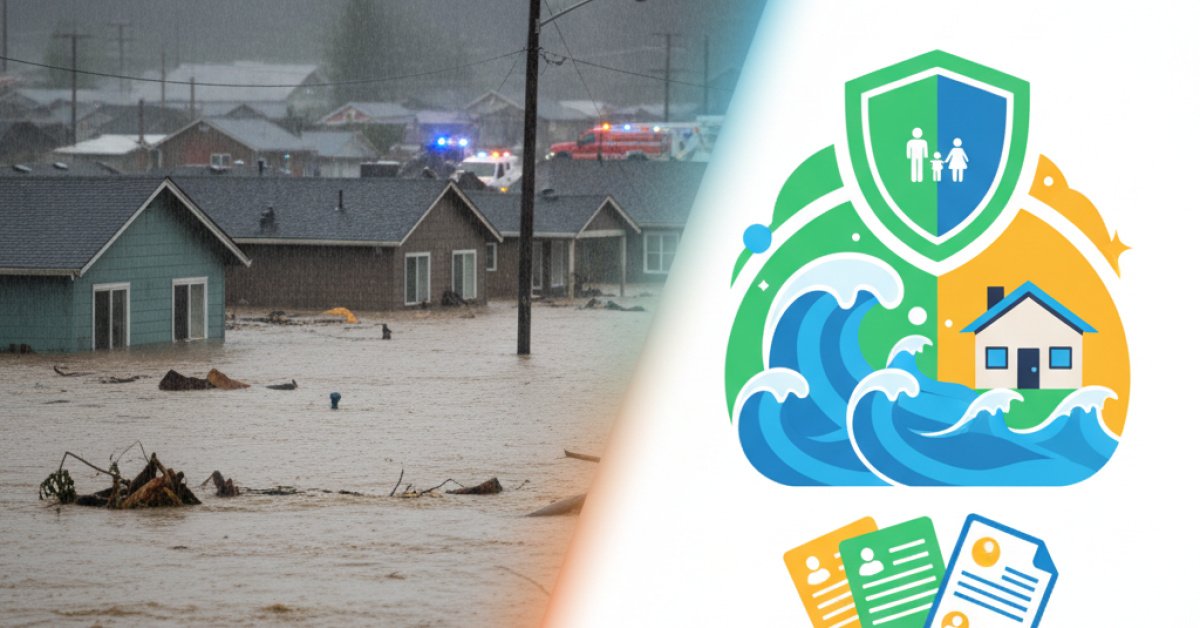
We’ve all seen it. The news helicopters buzzing overhead, the reporters in rain slickers standing in front of streets that have turned into rivers. It’s a powerful, scary image, and it’s one we’re seeing more and more often.
But have you ever stopped to think about what happens after the news crews pack up and the water recedes? That’s when the real storm hits for so many families. They walk back into their homes to find a muddy, heartbreaking mess, and then they make a devastating discovery: their homeowner's insurance won’t pay a dime to fix it.
It’s a brutal reality, and it’s at the heart of a huge, growing crisis in America. A shocking number of people living in harm's way simply don't have flood insurance. Let's talk about why this is happening and what it might mean for you.
"But My Homeowner's Policy Covers That, Right?"
This is, without a doubt, the biggest and most costly assumption people make. And I really can't blame them! It seems logical, right? A storm damages your house, so your house insurance should cover it.
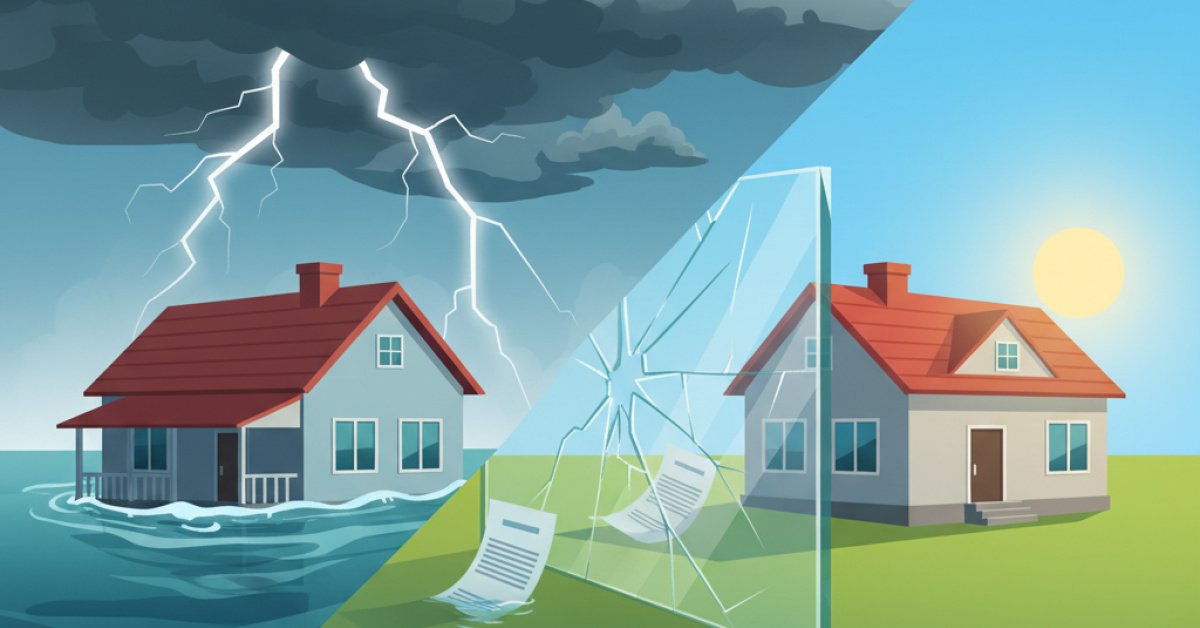
Here’s the thing: Standard homeowner's insurance does not cover damage from flooding.
Let me say that again, because it’s that important. Your typical HO-3 policy, the one most of us have, specifically excludes damage from surface water, storm surge, and overflowing rivers.
Think of it like this: your car insurance is for your car, and your health insurance is for you. They’re both "insurance," but you’d never expect your auto policy to pay for a broken arm. Flood insurance is a completely separate policy, just like that. It covers a very specific peril that your homeowner's policy was never designed to handle.
The problem is, not enough people know this. Or, they think they don't need it. This leads to what we in the industry call a "coverage gap," which is just a formal way of saying there’s a massive difference between the number of homes at risk and the number of homes that are actually insured for that risk.
It's Not Just a Coastal Problem Anymore
For a long time, we thought of flooding as something that only happened to people in beach houses in Florida or along the Mississippi River. If you didn't live in a designated "high-risk flood zone," you probably didn't give it a second thought.
Unfortunately, that's old-school thinking, and it's getting people into a lot of trouble.
The storms we're seeing today are different. They're bigger, wetter, and more unpredictable. We're seeing "100-year floods" happen every few years. We're seeing catastrophic flooding in places that have never, ever flooded before—places like Vermont, Kentucky, and even landlocked urban areas where overwhelmed storm drains turn streets into canals.
Here's a scary statistic for you: According to FEMA, more than 20% of all flood insurance claims come from properties outside of high-risk flood zones.
The climate is changing, and that means the definition of a "vulnerable community" is changing, too. The flood maps that banks and towns rely on are often outdated, based on historical data that just doesn't reflect our new reality. So, you might not be required by your mortgage lender to buy flood insurance, but that doesn't mean you're not at risk.
What This "Coverage Gap" Actually Looks Like for a Family
It’s easy to talk about statistics and "penetration rates," but what does this really mean for people on the ground?
Imagine this. A storm rolls through your town. The creek a half-mile away, the one that’s usually just a trickle, swells over its banks. Within an hour, you have two feet of murky water in your basement and first floor. It ruins your furnace, your water heater, your furniture, your drywall, your kids' toys—everything.
You call your insurance agent, relieved that you’ve been paying your premiums faithfully for years. And that's when you get the news. The agent on the phone says, "I'm so sorry, but this is a flood. Your policy doesn't cover this."
Your heart sinks. The cost to pump out the water, tear out the ruined walls, and replace your essential systems could be $30,000, $50,000, or even more. Where does that money come from?
For most families, it comes from savings, retirement funds, or high-interest loans. It's a financial blow that can set a family back for decades. This is the human cost of the flood insurance gap. It’s not just about property; it’s about financial security and the ability of a community to get back on its feet.
So, What Can We Do About It?
This all sounds pretty bleak, I know. But the first step to solving a problem is understanding it. The good news is that you have the power to protect your family from this exact scenario.
Here are a few things you can do right now:
- Ask the direct question. Call your insurance agent today. Don't ask if you have "good coverage." Ask them, point-blank: "Am I covered for damage from surface water or a flood?" Make them give you a clear "yes" or "no."
- Don't trust the maps alone. Even if you’re in a low-risk "Zone X," you're not in a "no-risk" zone. As we've seen, low-risk doesn't mean what it used to. The cost of a policy in these areas is often surprisingly affordable, so it’s always worth getting a quote.
- Know your options. The primary source for flood insurance in the U.S. is the National Flood Insurance Program (NFIP), which is managed by FEMA. But there's also a growing private flood insurance market. In some cases, private policies can offer higher coverage limits and be more flexible. Your agent can help you compare.
The bottom line is that we can't treat flood insurance as an optional extra anymore, something only for people in specific zones. The risk is more widespread than ever, and the financial consequences of being wrong are just too high.
The next storm is always on the horizon. It’s a matter of "when," not "if." Taking a few minutes today to understand your real risk and confirm your coverage is one of the most important things you can do to protect your home and your family's future. Don't wait until you can hear the water rising.