If you're in Southern California right now, you’ve probably seen the news. Heck, you're probably living it. Governor Newsom has declared a state of emergency for LA and other counties as a massive storm system unloads what feels like a year's worth of rain in just a few days. It's a scary situation, and once you know your family is safe, the next thought that usually pops into your head is, "My house. My stuff. Am I covered for this?"
It’s a question I hear all the time, especially when disaster strikes. And when it comes to flooding, the answer is often a painful surprise for a lot of homeowners.
So, let's just get right to it. I want to walk you through what’s going on from an insurance perspective, cut through the jargon, and give you some straight answers.
First Things First: Will My Homeowners Policy Cover This?
I’m going to give it to you straight: Probably not.
I know, that’s not what you want to hear. It feels like your homeowners policy should cover, well, damage to your home, right? But here’s the thing about insurance—it’s incredibly specific.
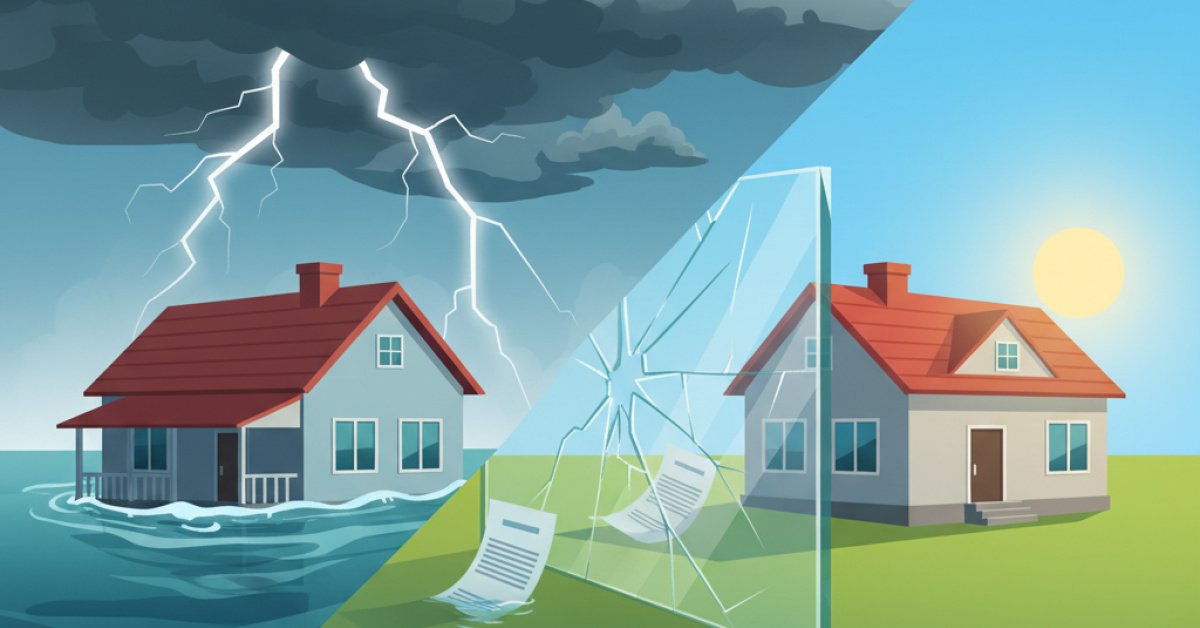
Think of your standard homeowners policy (what we call an HO-3) as a fantastic shield against things like fire, wind damage, hail, and theft. It covers a whole host of common perils. But one of the biggest and most common exclusions written into nearly every single one of those policies is damage from flooding.
And by flooding, insurers mean water that comes from the ground up. Think overflowing rivers, storm surge, or heavy rain that pools and seeps into your foundation and first floor. That specific type of water damage is almost universally excluded from standard home insurance. It's a tough pill to swallow, especially when you're watching water creep up your driveway.
So, What Actually Covers Flood Damage?
This is where a completely separate policy comes into play: flood insurance. For decades, this has mostly meant getting a policy through the National Flood Insurance Program, or NFIP. It’s a federal program run by FEMA designed specifically for this kind of disaster.
More recently, private flood insurance options have become more common, sometimes offering higher coverage limits or different terms. But either way, it's a separate purchase. It’s an add-on, an entirely different policy you have to choose to buy.
And here’s the real kicker: There’s a waiting period.
Typically, you have to wait 30 days after buying an NFIP policy for it to kick in. Private policies might have shorter waits, but there’s almost always a delay. Why? To put it bluntly, to stop people from buying insurance only when the storm clouds are already gathering.
For anyone currently dealing with this storm in SoCal, that means if you don't already have a flood policy, it's unfortunately too late to get one for the damage that's happening now. It’s a brutal reality, but it’s also a massive wake-up call for the future.
I Have Flood Insurance! What Do I Do Right Now?
Okay, if you’re one of the prepared folks who already has a flood policy, great. Now is the time to act. But act safely.
Here’s a quick game plan:
- Safety First. Always. Don't go wading into floodwater. It can be contaminated or hide hazards. Don't mess with electricity if there’s standing water. Wait for the all-clear from officials before you even think about starting the cleanup.
- Call Your Insurance Company. Get the claims process started immediately. The sooner you get in the queue, the better. They'll assign an adjuster to your case, but be prepared for delays—they're going to be slammed. Have your policy number handy when you call.
- Document Everything. This is so, so important. Before you move or throw away anything, take pictures and videos. Get wide shots of every room, and close-ups of damaged items. Create a visual record of the high-water mark on your walls. This evidence is your best friend during the claims process.
- Prevent Further Damage (If Safe!). Insurance policies require you to mitigate damage. This doesn't mean you have to do a full-on renovation. It means doing what you can to stop things from getting worse. If it's safe, you might move undamaged furniture to a higher floor, put a tarp over a hole in the roof, or get wet materials out of the house to prevent mold. Keep receipts for any supplies you buy!
What About Mudslides? That Gets Complicated.
Here in California, it's not just about rising water. It's also about moving earth. And this is where insurance gets really tricky.
Let me break it down simply:
- Flood: This is rising water, an overflowing body of water. This is what your flood insurance policy is for.
- Mudflow: This is a river of liquid mud on the surface of the ground. The NFIP often describes it as a "river of liquid and flowing mud." This is also typically covered by flood insurance.
- Mudslide or Landslide: This is when the earth itself moves—a big chunk of a hill sliding down. This is generally not covered by flood insurance. Instead, it’s sometimes covered by a standard homeowners policy or a separate earthquake policy (which can include "earth movement").
Confusing, right? The key is the cause. Was the damage caused by water carrying debris, or was it caused by the ground itself giving way? An adjuster will make that call, and it can be the difference between a covered claim and a denial.
Don't Forget About Your Car
One small piece of good news in all of this might be your car. If your vehicle was damaged by the floodwaters, it’s typically covered under the comprehensive portion of your auto insurance policy.
Comprehensive coverage is the part that handles non-collision stuff, like theft, vandalism, falling objects, and yes, flooding. It’s an optional coverage, so you’ll need to check your policy to make sure you have it. But if you do, the damage to your car should be covered.
This is a Wake-Up Call We All Needed
Look, nobody wanted to see this kind of devastation. These storms are a harsh reminder that "it never rains in Southern California" is a myth we can't afford to believe in anymore.
If you’ve skated by this time without damage, please, use this as a learning moment. Don't wait for the next set of emergency alerts to start asking these questions. Call your insurance agent. Have a real conversation about your actual risks. Ask them, "What would happen to my home in a flood? What would it cost to add a flood policy?"
You might be surprised to find that for many homes not in a high-risk zone, the cost is manageable. And after seeing what's happening this week, it’s a cost that might just be worth the peace of mind. We can't stop the rain, but we can be better prepared for when it comes. Stay safe out there.