It seems like you can’t turn on the news these days without seeing some kind of wild weather story. This week, it’s California. We’re seeing images of massive snowfalls in the mountains, which is great for the water supply, but also heartbreaking stories about deadly avalanches and flooding rains causing chaos in other parts of the state.
When you see headlines like that, it’s natural to feel a little anxious. You might look out your own window, see the rain or snow, and wonder, "Am I covered for that?" It’s a question I get all the time, and honestly, it’s one of the most important questions you can ask.
Because when the worst happens, your insurance policy is supposed to be your safety net. But that net is only as strong as the coverage you have. So let's talk about it, friend to friend. Let’s break down what these California storms mean for your insurance and figure out if you're truly prepared.
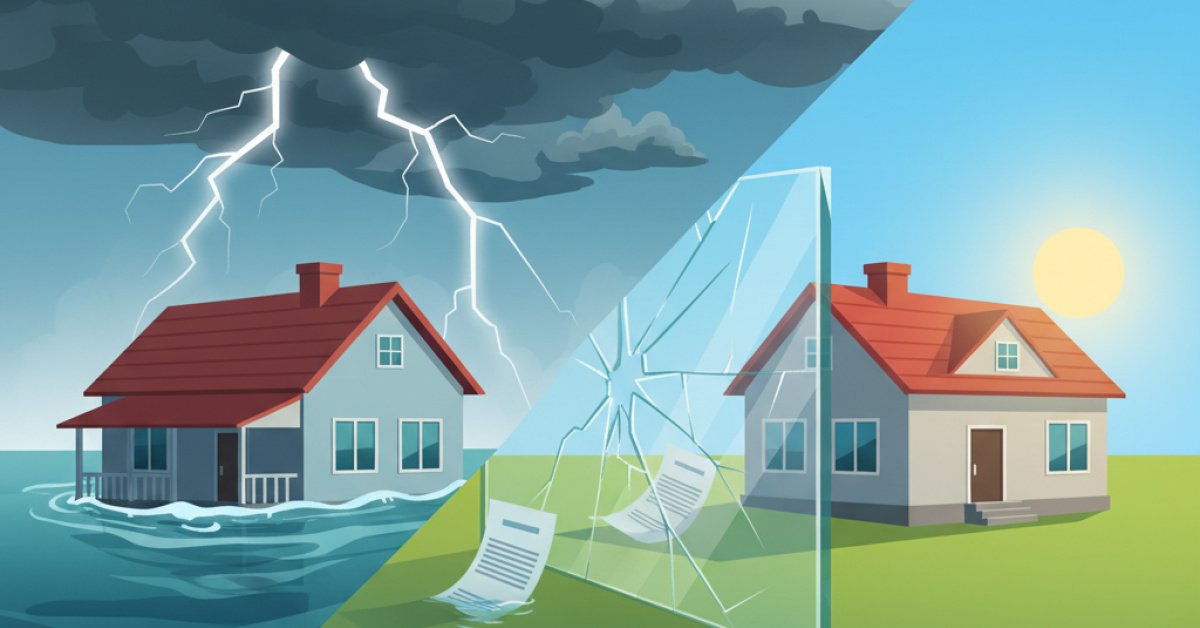
When the Rain Comes Down: Is It Water Damage or a Flood?
This is, without a doubt, one of the most confusing parts of homeowners insurance. And it’s a distinction that can mean the difference between a paid claim and a massive bill.
You see a story about "flooding rain" and think, "Okay, my homeowners policy covers water damage, so I'm good." But hold on. In the world of insurance, not all water is created equal.
Here’s the simplest way I can explain it:
-
Water Damage (Usually Covered): Think of this as water coming from the top down. A storm rips a hole in your roof and rain pours in. The weight of snow causes an ice dam, and melting water seeps into your attic. A pipe freezes and bursts. Your standard homeowners policy typically covers this kind of sudden and accidental water damage.
-
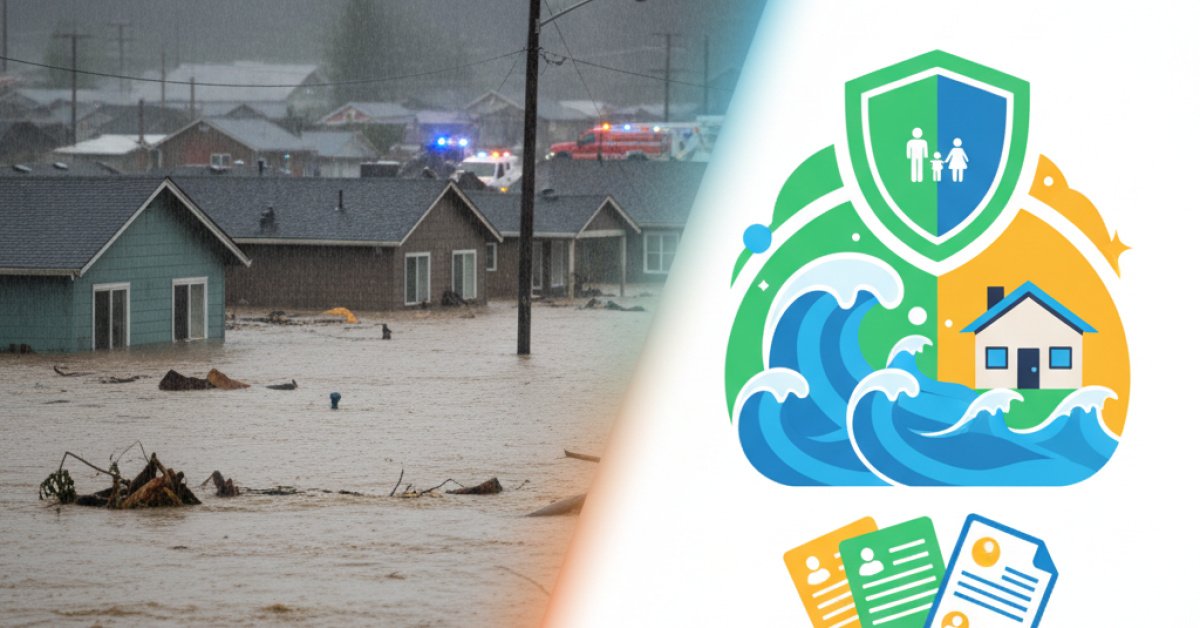
Flood Damage (Usually NOT Covered): This is water coming from the bottom up. It's "surface water." Think of a river overflowing its banks, heavy rain that pools and seeps into your foundation, or storm surge. This is considered flooding, and it is almost always excluded from a standard homeowners policy.
To be covered for flooding, you need a separate flood insurance policy, which is usually provided through the National Flood Insurance Program (NFIP) or a private insurer. With storms getting more intense, this is something I urge everyone to look into, even if you don't live in a designated high-risk flood zone.
That Heavy Snow is More Than Just Pretty
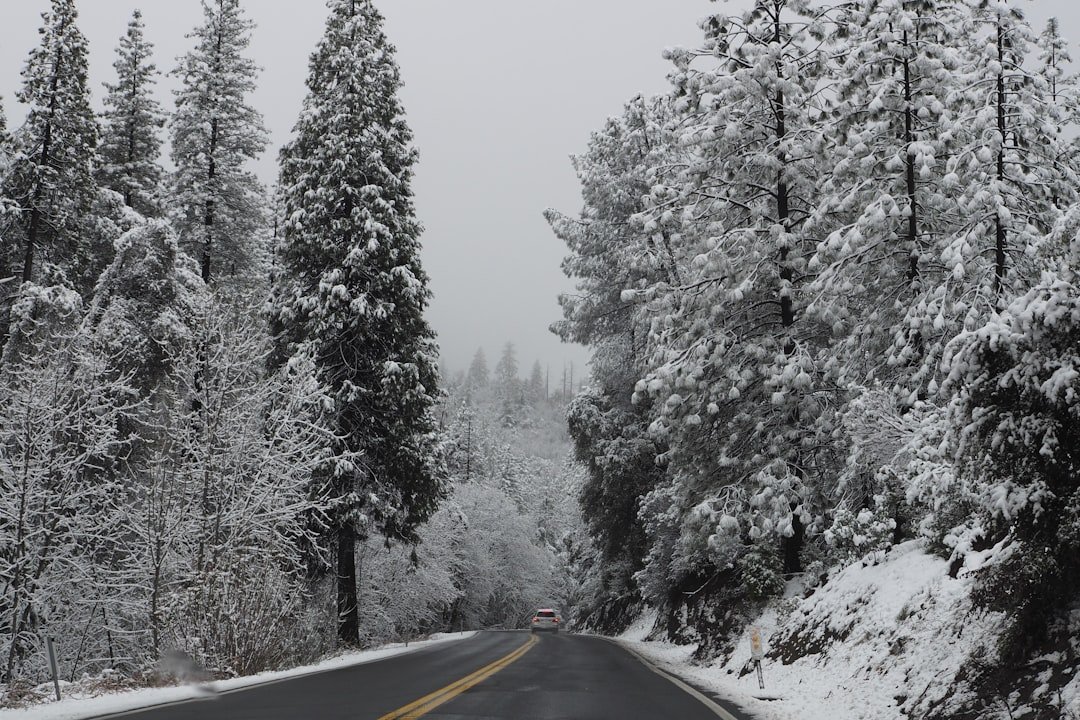
For those in the mountains, a huge dumping of snow can look like a winter wonderland. But your roof might have a different opinion. The sheer weight of wet, heavy snow can be immense, and it brings its own set of risks.
The good news? Most standard homeowners policies are pretty good when it comes to snow-related problems. They typically cover damage from the "weight of ice, snow, or sleet."
This can include things like:
- A roof collapsing or sagging under the weight.
- A carport or deck giving way.
- A tree branch, heavy with snow, snapping and falling on your house.
This is a core part of your dwelling coverage. But it’s always a good idea to pull out your policy (I know, I know, it's not exactly beach reading) and just confirm that language is in there.
The Big One We Don’t Talk About: What About Avalanches?
The news of a deadly avalanche is terrifying. It’s the kind of raw power of nature that feels unstoppable. And from an insurance perspective, it falls into a really tricky category.
Much like earthquakes and mudslides, avalanches are often considered a form of "earth movement." And guess what? Earth movement is another one of those standard exclusions in most homeowners policies.
So, if you live in an area prone to avalanches, you absolutely cannot assume you're covered. You’ll likely need a special, separate policy or an endorsement on your current one. Sometimes this is called a "Difference in Conditions" (DIC) policy. It’s designed to fill in the gaps left by your standard policy, covering catastrophic events like avalanches, mudflows, and earthquakes.
If you live anywhere near a steep, snowy mountain, this is a conversation you need to have with your insurance agent today. Not tomorrow. Today.
Don't Forget Your Car in All This Mess
Your home isn't the only thing at risk in a massive storm. Your vehicles are sitting right out there, exposed to all of it.
This is where the two main parts of your auto insurance come into play: Collision and Comprehensive.
Comprehensive is Your Storm-Damage Savior
Think of Comprehensive coverage as your "acts of God" or "stuff other than a car crash" protection. This is the part of your policy that would kick in if:
- A branch heavy with snow falls and smashes your windshield.
- Your car gets caught in a flash flood.
- Hail (another winter surprise!) dents up your hood.
- The sheer weight of snow on your car's roof causes it to cave in.
Without comprehensive coverage, you’re paying for all of those repairs out of your own pocket. I honestly believe it's one of the most valuable parts of an auto policy, especially with our increasingly unpredictable weather.
Collision is for Slippery Roads
Collision coverage is more straightforward. It’s for when your car hits something else—another car, a guardrail, a telephone pole. During a winter storm, this means it covers you if you slide on an icy patch and get into an accident.
So, What Should You Do Right Now?
Feeling a little overwhelmed? That's okay. Let's turn that anxiety into action. You have more power here than you think.
-
Do a 5-Minute Policy Review. You don't have to read every word. Just pull up your homeowners and auto declarations pages (that's the summary). Look for the key terms. Do you have Comprehensive coverage on your car? Does your home policy mention flood or earth movement exclusions? Just knowing is half the battle.
-
Call Your Agent. This is what they are there for! They aren't just salespeople; they're your advisors. Ask them point-blank: "If my street floods, am I covered? What happens if an avalanche hits my area? Is my roof covered if it collapses from snow?" A good agent will walk you through it.
-
Take "Before" Pictures. Walk around your house and your property right now and take pictures and videos with your phone. Document the condition of your roof, your walls, your major appliances, and your valuables. If you ever have to make a claim, having this "before" evidence is invaluable and can speed up the process immensely.
Weather is something we can't control. But we can control how prepared we are. Understanding your insurance isn't about being paranoid; it's about being practical. It’s about making sure that when the storm passes, you have the tools you need to rebuild and get back to normal. Stay safe out there.