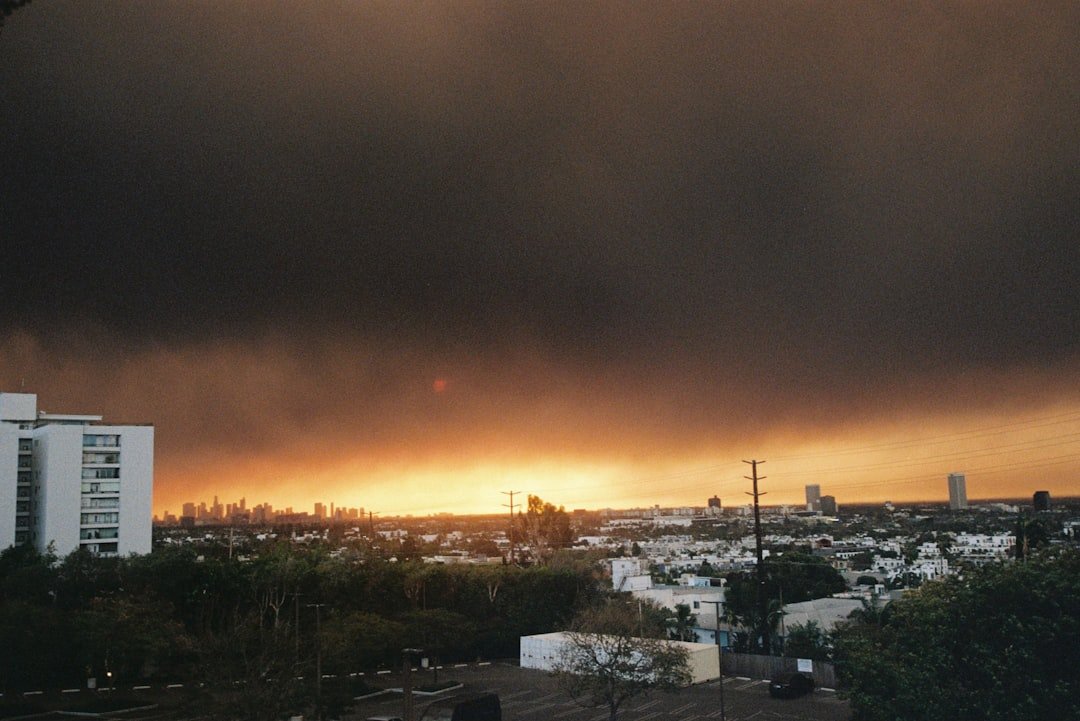
If you live anywhere in Southern California, you know the feeling. That pit in your stomach when the Santa Ana winds kick up, the air gets bone dry, and the sky takes on that eerie orange glow. Wildfire season feels less like a season and more like a constant, looming threat.
It’s easy to feel completely powerless, like protecting your home is just a matter of luck. We watch the news, see the devastation, and cross our fingers, hoping the flames don’t come our way.
But what if I told you it’s not all up to chance?
A really important study just came out from the Insurance Institute for Business & Home Safety (IBHS), and honestly, it’s a breath of fresh air. They dug into the data from recent, destructive wildfires right here in the Los Angeles area, and what they found is a powerful message of hope. It turns out, there are specific, tangible things we can do to give our homes a real fighting chance.
Let's break down what they discovered and what it actually means for you.
So, What Exactly is "Home Hardening"?
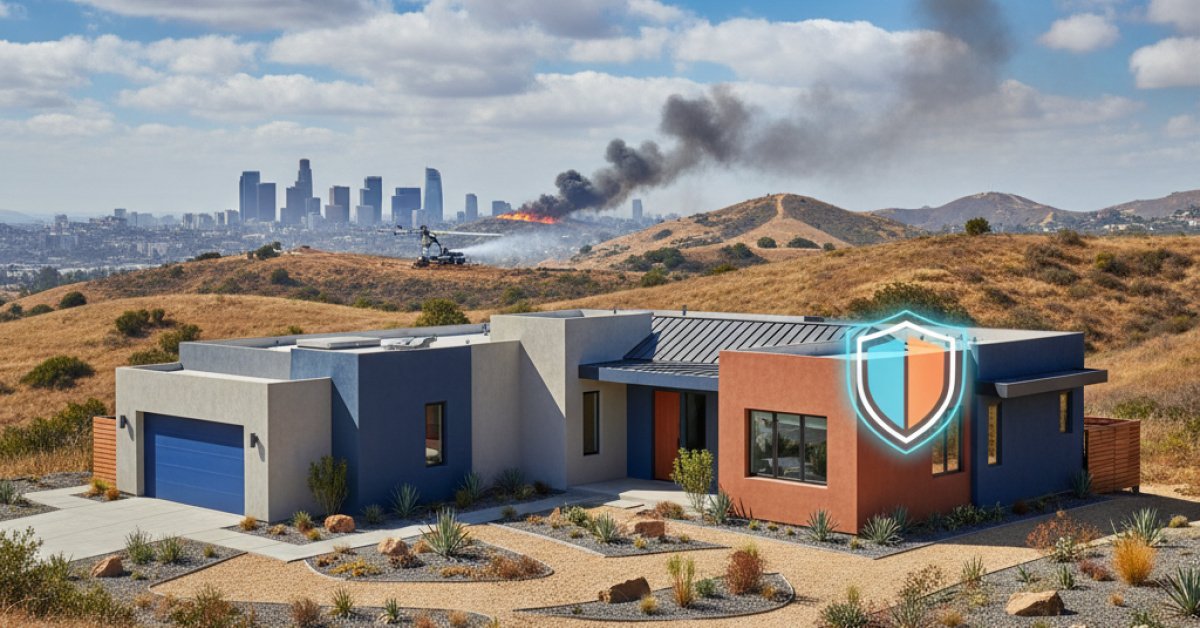
Okay, "home hardening" sounds like something you'd do at a military boot camp, but the concept is actually pretty simple. Think of it like putting a suit of armor on your house. It’s the process of using building materials and installation techniques that make your home more resistant to catching fire.
The real enemy in most home losses during a wildfire isn't a giant wall of flame, as you might imagine. It's the blizzard of tiny, glowing embers that the wind can carry for miles ahead of the fire itself. These embers are like tiny arsonists, looking for any little spot to land and ignite. They get into vents, land on flammable roofs, or pile up against wood siding.
Home hardening is all about closing off those opportunities. It’s a defense system designed to repel these embers.
Here’s what that looks like in the real world:
- Roofs: Using Class A fire-rated roofing materials like asphalt shingles, concrete, or metal instead of something like wood shakes.
- Vents: Covering all attic and foundation vents with a fine metal mesh (1/8-inch is the standard) to let air out but keep embers from getting in.
- Siding: Using non-combustible siding like stucco or fiber cement.
- Windows: Installing dual-pane windows, with at least one pane made of tempered glass. This makes them much more resistant to breaking from the heat, which would let embers pour inside.
- Decks: Building decks with fire-resistant materials and keeping the area underneath them clear of any flammable debris.
It's a top-to-bottom approach to making your home a less inviting target for fire.
The Proof is in the Ashes: What the IBHS Study Found
This is the part that really got my attention. The IBHS researchers didn’t just create a computer model. They went to the front lines of recent LA-area wildfires and did the hard work of comparing the homes that survived with the ones that were destroyed.
What they found was a clear, undeniable pattern.
Homes that had even a few of these hardening features were dramatically more likely to be left standing. It wasn't random. It wasn't luck. The homes that were built or retrofitted to resist embers simply performed better. A lot better.
The study essentially confirmed what we in the insurance world have been saying for years: fortifying your home is one of the most effective things you can do to mitigate wildfire risk. It moves you from a passive victim of circumstance to an active defender of your property.
And here’s something else to think about: when your house is hardened, you’re not just protecting yourself. You’re protecting your neighbors. A single home catching fire can create a domino effect, spreading flames and embers throughout the entire community. By hardening your home, you're helping to break that chain.
Why Your Insurance Company Cares (A Lot)
Now, let's talk about how this all connects to your insurance. In high-risk areas like much of LA County, getting and keeping homeowners insurance has become a real challenge. Insurers are looking very closely at the risk of each individual property.
When an underwriter sees that you’ve taken proactive steps to harden your home, it changes the entire conversation.
Your home is no longer just a pin on a map in a high-risk fire zone; it's a structure that is actively prepared to resist ignition. You’ve lowered your risk profile, and that’s the name of the game in insurance.
While every company is different, a hardened home can potentially lead to:
- Better Access to Coverage: You may find it easier to get a policy from a mainstream insurer instead of having to go to a surplus lines carrier or the state's FAIR Plan.
- Potential for Discounts: Many insurers now offer specific discounts for homeowners who implement wildfire mitigation measures. It’s a direct reward for reducing your risk.
- A Stronger Partnership: It shows your insurer that you’re a responsible homeowner who is serious about protecting your property, which can make the entire relationship smoother.
This isn’t just about saving your house; it’s an investment that can make your financial life easier in the long run.
It’s About Control, Not Fear
Look, nobody is saying this is easy or cheap. Retrofitting a home can be a significant undertaking. But the beautiful thing about this IBHS study is that it gives us a clear roadmap. It shows us what works.
You don't have to do everything at once. You can start small. This weekend, you can create that "defensible space" by clearing all flammable materials within five feet of your foundation. Next, you can get a quote for installing new mesh on your vents. When it's time to replace your roof, you can insist on a Class A fire-rated one.
Wildfires will always be a part of life in California. They are scary and unpredictable. But research like this reminds us that we aren't helpless. We can take smart, science-backed steps to protect our families and our biggest investments. It’s about shifting our mindset from fear to action. And that’s a powerful change.