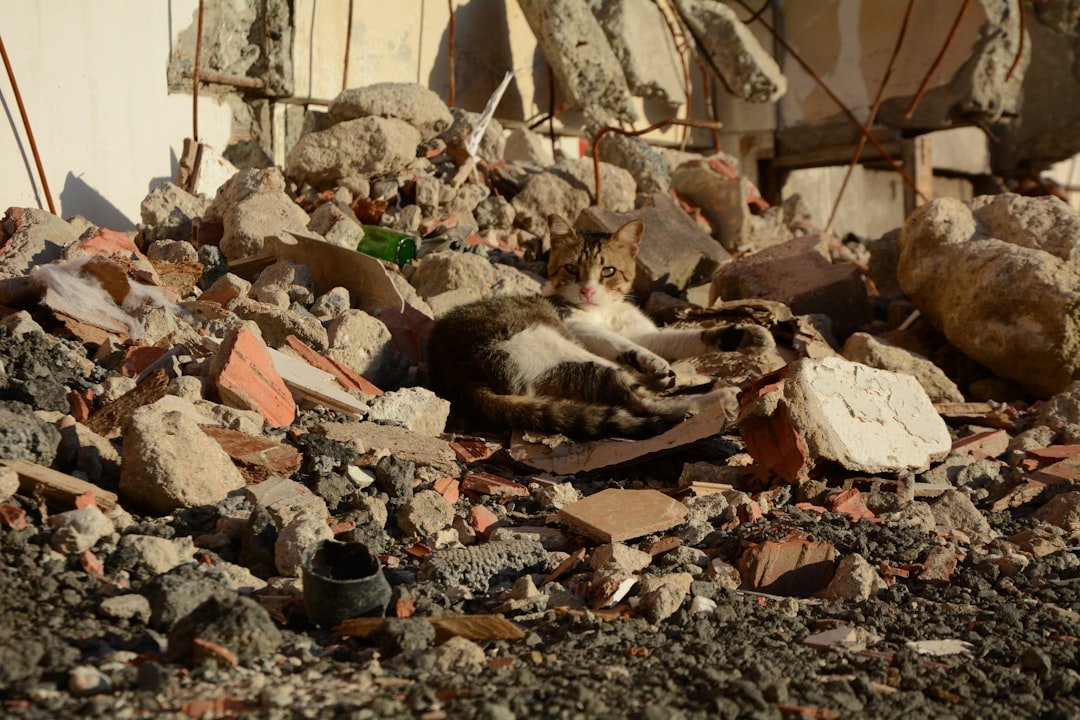
I read a story the other day that just stuck with me. A storm chaser named Ashton Lemley was walking through what was left of a trailer park in Mississippi. A tornado had just ripped through, and everything was gone. Flattened. In the middle of that pre-dawn darkness and devastation, he heard something tiny but unmistakable: a meow.
He followed the sound and, after some digging, pulled a small, scared kitten out of the rubble. A little survivor.
It’s one of those stories that gives you a little flicker of hope in the middle of a tragedy. But as someone who spends their days talking and writing about insurance, my mind immediately went somewhere else. To the people who lost everything. To the families who now have to figure out how to start over from scratch.
That tiny meow in the dark is a powerful symbol. It’s a reminder that even when everything seems lost, life goes on. And it’s our job, long before the storm clouds ever gather, to make sure we have a plan to help it go on. That plan, for most of us, is our insurance policy.
When the Unthinkable Becomes Your Reality
Let’s be honest. Nobody likes thinking about tornadoes, fires, or floods. It’s scary stuff. We see it on the news, feel a pang of sympathy for those affected, and then we go back to our lives, hoping it never happens to us.
But what that story from Mississippi drives home is the sheer, random, terrifying speed of it all. One minute, you’re home. The next, your home is just… gone. There’s no time to prepare, no time to pack.
This is exactly why we have insurance. It’s not a "maybe" or a "what if." It's a "when." When disaster strikes, you don't want to be figuring things out. You want a clear path forward. Your insurance policy is that path. It’s the financial first responder that shows up after the emergency crews leave.
So, What Coverage Actually Helps Here?
When you see images of a neighborhood completely wiped out, it’s easy to feel overwhelmed. How do you even begin to rebuild? This is where your insurance policy stops being a piece of paper and becomes a tangible lifeline.
Let’s break down what actually kicks in after a disaster like a tornado.
For Homeowners: The Foundation of Your Recovery
If you own your home (or mobile home), your policy is designed for this exact scenario. Here’s what matters most:
- Dwelling Coverage: This is the big one. It’s the part of your policy that pays to rebuild the physical structure of your house. After a tornado, you'll be working closely with your insurer to assess the damage and get the funds to either repair or completely rebuild your home.
- Personal Property Coverage: Think about everything inside your home. Your furniture, your clothes, your TV, your kid's toys, the photos on the wall. All of it. This coverage helps you replace those belongings. It’s a monumental task, but it’s what helps you turn a new house back into a home.
- Debris Removal: You might not think about this, but after a storm, your property is a mess. Clearing away the wreckage of your old home costs money. A good policy includes coverage for this, which is a huge relief when you're already dealing with so much.
For Renters: You're Not Immune to Loss
It’s a common misconception that if you rent, the landlord’s insurance covers you. It doesn’t. Their policy covers the building, not your stuff inside.
If you were renting one of those trailers in Mississippi, your renters insurance would be the only thing standing between you and losing every single thing you own. It covers your personal belongings, just like a homeowner's policy does. It’s shockingly affordable, and frankly, it’s non-negotiable if you’re a renter.
The Most Important Coverage You've Never Heard Of
Okay, let's get real. Your home is gone. Where are you going to sleep tonight? Next week? Next month?
This is where a part of your policy called Additional Living Expenses (ALE), or Loss of Use, becomes your absolute best friend. I can’t stress this enough: ALE is a lifesaver.
It’s designed to cover the extra costs you incur when you can’t live in your home due to a covered disaster. Think about it:
- Hotel bills or a short-term rental: It pays for you and your family to have a safe place to stay.
- Restaurant meals: If you're in a hotel with no kitchen, it can help cover the increased cost of eating out.
- Laundry, storage, and other essentials: It helps you maintain some semblance of a normal life while you're displaced.
Without ALE, families are often forced to rely on shelters, stay with relatives for extended periods, or drain their life savings just to get by. It’s the coverage that gives you breathing room and stability when your world has been turned upside down.
What About Our Furry Family Members?
That little kitten in Mississippi wasn't just property; it was a life. For so many of us, our pets are family. So what happens to them?
If a pet is injured in a disaster, vet bills can pile up quickly. This is where pet insurance can be a huge help. It works a lot like health insurance for humans, covering costs for accidents and illnesses.
In a crisis, the last thing you want to do is make a heartbreaking decision about your pet’s care because of money. Having a pet insurance policy in place means you can focus on what’s important: getting your furry friend the help they need.
Taking the First Step When You Don't Know Where to Start
Imagine standing where that storm chaser stood, looking at the rubble of your life. The first phone call you should make (after ensuring everyone is safe) is to your insurance agent or company.
They will start the claims process and assign an adjuster to your case. This person is your main point of contact. Their job is to assess the damage and help you figure out the path to getting your claim paid.
Here's a tip: one of the best things you can do right now is create a home inventory. Walk through your house with your smartphone and take a video of everything. Open closets, open drawers. It might feel silly, but that video will be invaluable proof of what you owned if you ever have to file a major claim.
Stories like the one from Mississippi are tough to hear, but they're also important. They strip away all the jargon and complexity and show us what insurance is really about. It's not about policies; it's about people. It's about providing the resources to find hope in the rubble and the strength to rebuild, one day at a time. It's about making sure that after the storm passes, you're not left to face the darkness alone.