It’s the kind of story that turns your stomach. A summer camp, a place that’s supposed to be filled with laughter and friendship, becomes the scene of an unimaginable tragedy.
I’m talking about Camp Mystic, the girls' youth camp in Texas. You might have seen it in the headlines. Last summer, a sudden, violent flash flood swept through the camp, and when the waters receded, 28 people were gone. It’s a parent’s worst nightmare and a community’s deepest sorrow.
And now, the camp has filed for bankruptcy.
It feels almost jarring to talk about money and legal filings after such a profound loss of life. But as someone who works in insurance, I can tell you that this is the inevitable, brutal financial aftermath of a catastrophe. Let’s walk through what happened here, because it’s a powerful, real-world lesson on risk, liability, and what happens when the worst-case scenario becomes a reality.
A Nightmare Scenario in the Texas Hill Country
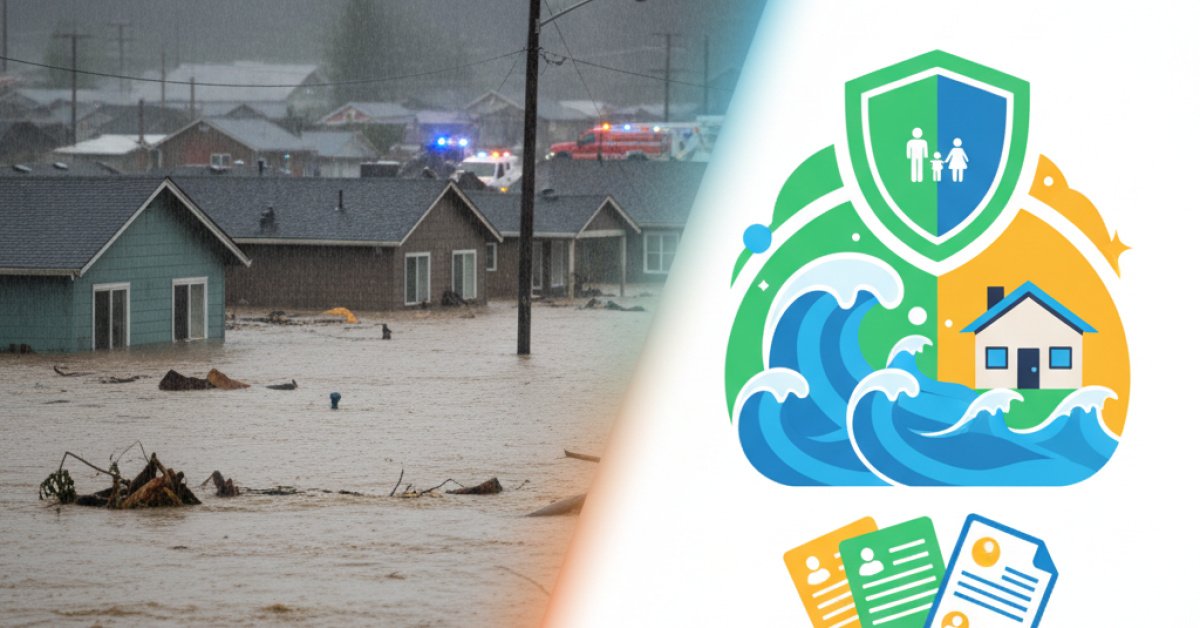
First, let's be clear about what happened. Camp Mystic wasn't just dealing with a minor accident. This was a catastrophic event. Flash floods are terrifyingly fast and powerful, and in this case, the results were devastating.
When an event causes this much harm, the next step is tragically predictable: lawsuits.
You have grieving families looking for answers and accountability. From a legal standpoint, this translates into wrongful death claims. With 28 lives lost, you’re looking at dozens of incredibly serious, high-value lawsuits being filed against the camp's parent company.
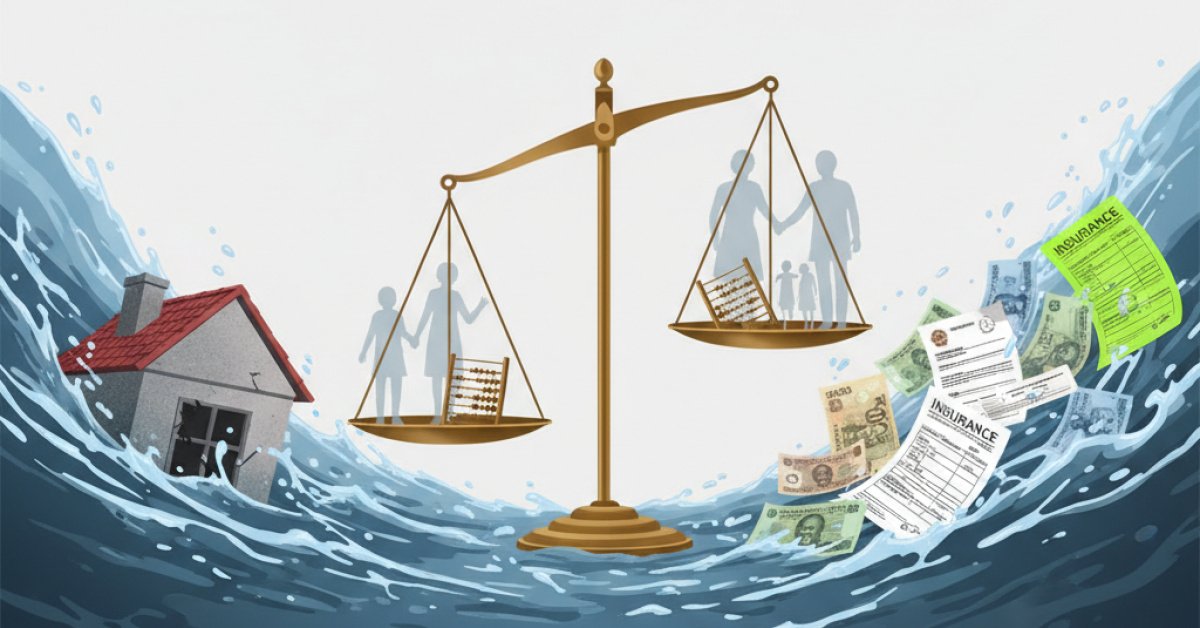
Think about it. Each claim represents a life, and the potential financial liability for the camp is astronomical. We’re talking about a figure so large it would likely cripple even a major corporation, let alone a summer camp.
So, Why File for Bankruptcy?
This is where a lot of people get confused. When they hear "bankruptcy," they often think a company is just shutting down and walking away. But that’s not quite what’s happening here.
Camp Mystic filed for Chapter 11 bankruptcy. Let me break down what that really means in simple terms.
Think of Chapter 11 as hitting a giant "pause" button. The company is essentially going to a federal court and saying, "We are overwhelmed. We have massive potential debts from these lawsuits, and we can't operate while fighting all of them at once. We need protection."
The court then steps in and puts a shield around the company. This is called an "automatic stay," and it stops all lawsuits and collection efforts immediately. It gives the camp breathing room to figure out a plan to reorganize its finances, handle the claims in an orderly way, and potentially, continue operating in the future.
It’s not an escape. It’s a supervised process for dealing with a financial crisis that’s too big to handle otherwise. The company listed its assets as being somewhere between $1 million and $10 million. The claims against them? They would dwarf that number completely.
But What About Their Insurance?
This is the question I get asked all the time in situations like this. "Didn't they have insurance for this?"
The answer is almost certainly yes. Any business, especially a youth camp, is going to have a Commercial General Liability (CGL) policy. This is the insurance that covers bodily injury and property damage. They probably even had a high-limit Umbrella policy on top of that.
But here’s the hard truth: insurance policies have limits.
Even a very good policy with, say, a $5 million or even $10 million limit, would be completely wiped out by an event of this magnitude. Imagine 28 separate wrongful death lawsuits, each potentially valued in the millions. The total liability could easily soar into the tens or even hundreds of millions of dollars.
No standard insurance program is designed to cover that level of catastrophic loss from a single event.
It's like having a really good fire extinguisher in your kitchen. It’s perfect for a small grease fire on the stove. But if your whole neighborhood is on fire, that little extinguisher isn't going to do a thing. The flood of liability facing Camp Mystic was a wildfire, and their insurance policy was the extinguisher. It was simply overwhelmed.
A Sobering Lesson for Any Business Owner
The Camp Mystic story is, first and foremost, a human tragedy. But for any of us who run a business, manage an organization, or sit on a board, it’s also a terrifying cautionary tale.
It forces us to ask some really tough questions:
- Do we truly understand our worst-case scenario? We plan for fender-benders and slip-and-falls. But have we ever contemplated a true catastrophe?
- Are our liability limits high enough? This story shows that what seems like a high limit can be woefully inadequate in a true disaster.
- Is an Umbrella policy enough? An umbrella adds another layer of protection, but even that has its limits.
This isn't about fear-mongering. It's about being realistic. The bankruptcy filing wasn't a choice made out of convenience; it was the only option left when the financial reality of the tragedy became clear. It’s the last line of defense when insurance, savings, and assets are all exhausted.
Watching this unfold is heartbreaking on every level. For the families, it's a long road through the legal system on top of their grief. For the camp, it's a fight for survival under the weight of an unthinkable tragedy. It’s a stark reminder that risk is real, and sometimes, it’s bigger than any of us can imagine.