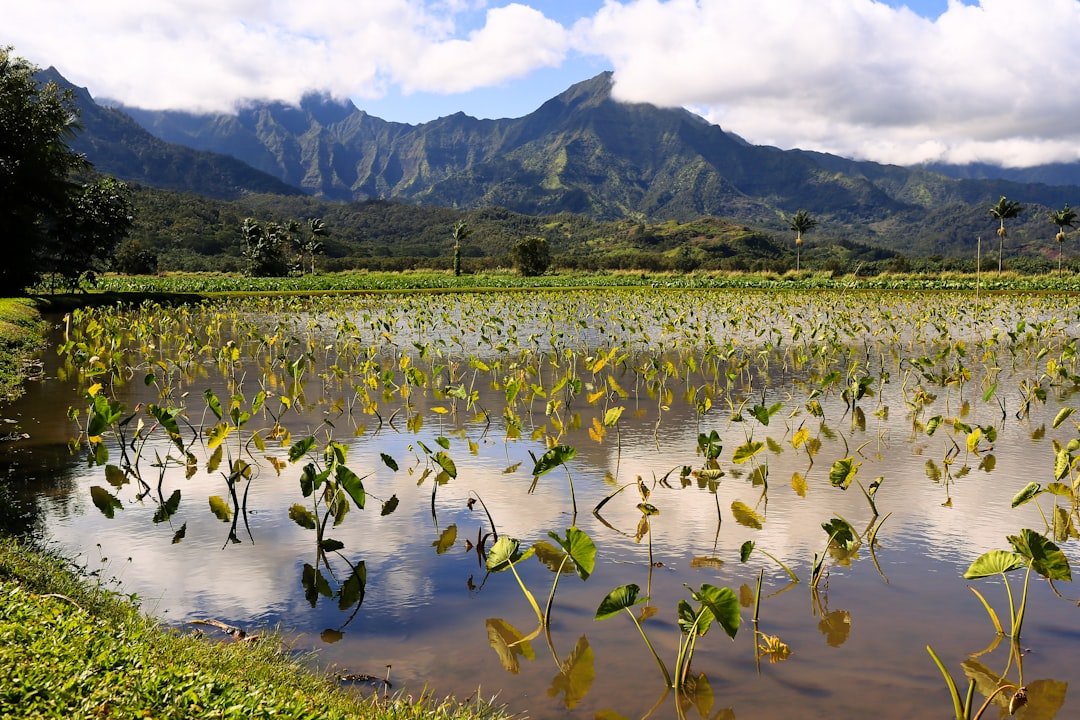
Have you ever seen that rich, reddish-brown volcanic soil in Hawaii? It’s the kind of earth that looks like it can grow just about anything. And for farmers like Bok Kongphan, it did. His fields were full of the things that make local Hawaiian food so amazing—lemongrass, cucumber, okra.
Then the rains came. Not just a tropical shower, but the kind of deluge that rewrites the landscape. The worst flooding the islands had seen in 20 years.
That rich, life-giving soil turned into a thick, suffocating mud that smothered everything. When the tropical sun came back out, it baked that mud into a hard, cracked shell. Imagine trying to salvage your life’s work from that. Irrigation tubes, once neatly laid out, were now just a tangled mess. Bok’s niece, Jeni Balanay, lost her crops, too—a beautiful, mustardy green that was her specialty.
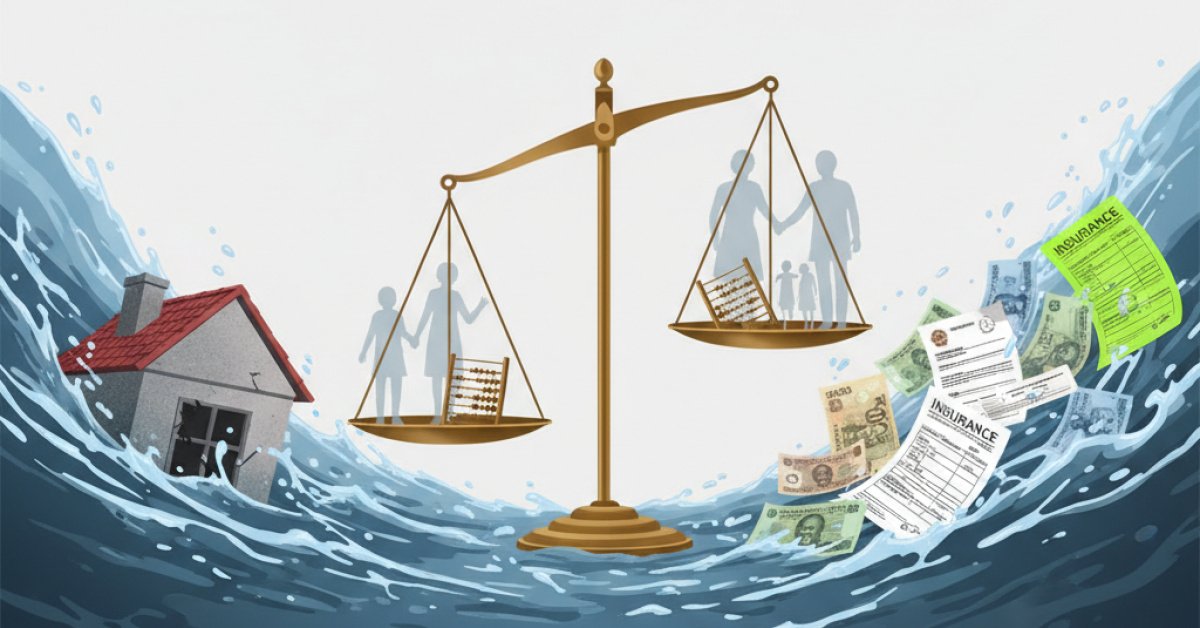
It’s a heartbreaking picture. But what’s even more gut-wrenching is the conversation that happens after the water recedes. It’s the one where you pick up the phone, call your insurance agent, and ask, "Am I covered?" For too many farmers in this situation, the answer is a devastating "no."
It's So Much More Than Just Muddy Fields
Let's be really clear about what a flood like this does to a farm. This isn't just a bad season. It's a total reset, and not in a good way.
When you see photos of the aftermath, you see the surface-level damage. The ruined plants, the twisted equipment. But the real problem goes much, much deeper. That thick layer of mud doesn't just go away. It changes the composition of the soil, smothers the delicate ecosystem that makes things grow, and can take years to fully recover from.
Think about it like this: a farmer’s most valuable asset isn’t the tractor or the barn. It’s the soil itself. And this flood essentially poisoned it.
So, when we talk about loss, we're not just talking about one harvest of lemongrass or okra. We're talking about:
- The loss of future income: How long will it be before that land is productive again?
- The cost of cleanup: Removing tons of hardened mud and debris is a massive, expensive job.
- The price of rebuilding: New irrigation, new seeds, new topsoil—it all adds up, and fast.
For a small family farm, a single event like this can be an extinction-level event. It’s the kind of thing that makes you wonder if you can ever come back.
The Big Insurance Surprise: "Flood Is Not Included"
Here’s the part that catches so many people off guard, and not just farmers. You’d think that a standard farm insurance policy would cover, you know, things that happen on a farm. But it’s not that simple.
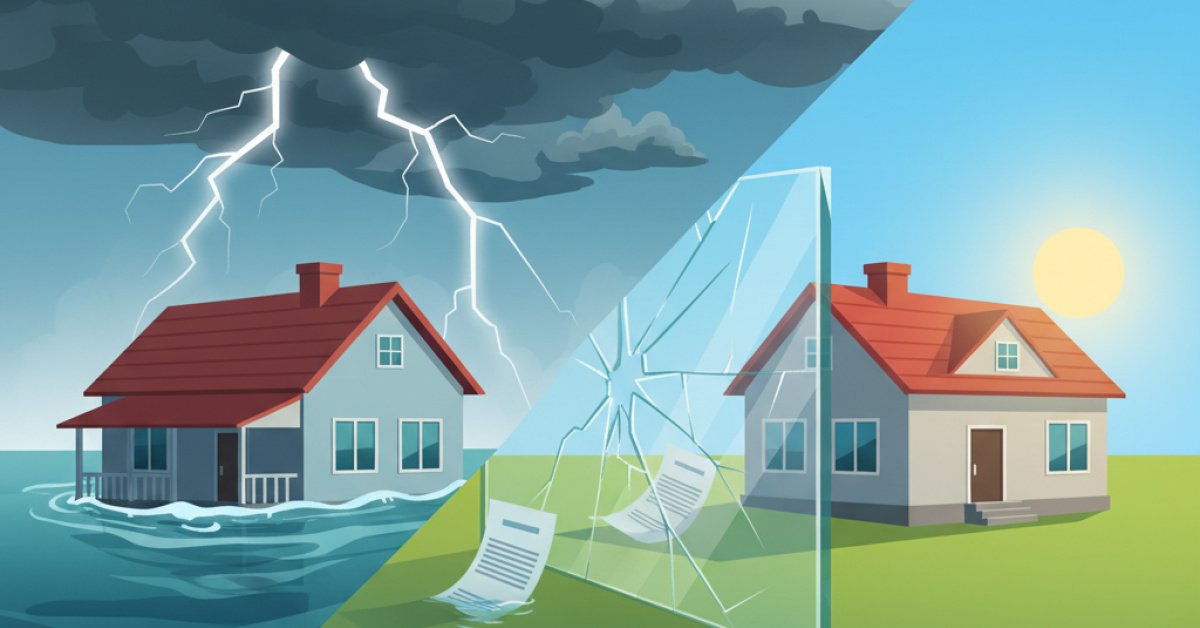
Most standard property insurance policies, whether for a home or a farm, specifically exclude damage from flooding.
It sounds crazy, right? But from an insurer's perspective, flood is such a catastrophic and widespread risk that they treat it as a separate beast altogether. You almost always need a dedicated, separate flood insurance policy.
And this is where the safety net starts to tear. Many farmers, especially smaller operations, either don't know they need a separate policy, can't afford the extra premium, or sometimes, can't even get coverage in their area.
Even federal crop insurance, which is a program designed to help farmers manage risk, has its own set of complicated rules. It often doesn’t cover the loss of specialty crops like the ones Jeni Balanay was growing. Or it might cover the value of the crop itself, but not the catastrophic damage to the land and equipment needed to grow it. It's a patchwork of protection with some seriously big holes in it.
What's a Farmer Supposed to Do?
So, if you're a farmer looking at a sky full of dark clouds, what are your real options? It feels a bit hopeless, but there are steps you can take. The key is to do it before the disaster, not while you're standing in knee-deep water.
First things first, you need to have a brutally honest conversation with an insurance agent who genuinely specializes in agriculture. Not a generalist, but someone who lives and breathes farm policies. You need to sit down and ask the hard questions:
- "Show me in my policy, word for word, where it talks about water damage."
- "What is the exact definition of 'flood' in this contract?"
- "If my fields are washed out like the ones in Hawaii, what exactly does this policy pay for? The crops? The soil cleanup? The irrigation lines?"
- "What are my options for a separate flood policy, either through the National Flood Insurance Program (NFIP) or a private insurer?"
This isn't a fun conversation. It's tedious and full of jargon. But I promise you, it's a million times better than having it for the first time after you've lost everything.
Beyond that, some newer types of insurance are emerging, like parametric insurance. Instead of paying based on the damage, these policies pay out automatically when a specific trigger occurs—say, when rainfall in your area exceeds a certain number of inches in 24 hours. It’s faster, simpler, and can provide quick cash for immediate cleanup when you need it most. It's not a complete solution, but it's another tool in the toolbox.
The story of Bok Kongphan and his family in Hawaii is more than just a news headline. It’s a real-world, painful lesson in risk. It shows us that even in paradise, disaster can strike, and that the piece of paper your insurance policy is printed on can be the only thing standing between recovery and ruin.
For these farmers, the path forward is uncertain. They're relying on community, grit, and the hope that they can one day coax life from that damaged soil again. For the rest of us, it’s a powerful reminder to open that policy document, dust it off, and make sure we truly understand what we’re protected against. Because the time to check the strength of your safety net is long before you ever have to fall on it.