Have you ever looked at a vast, green field and just felt a sense of peace? That endless stretch of grass is more than just a pretty view. For a cattle rancher, it’s everything. It’s the factory floor, the grocery store, and the lifeblood of their entire operation.
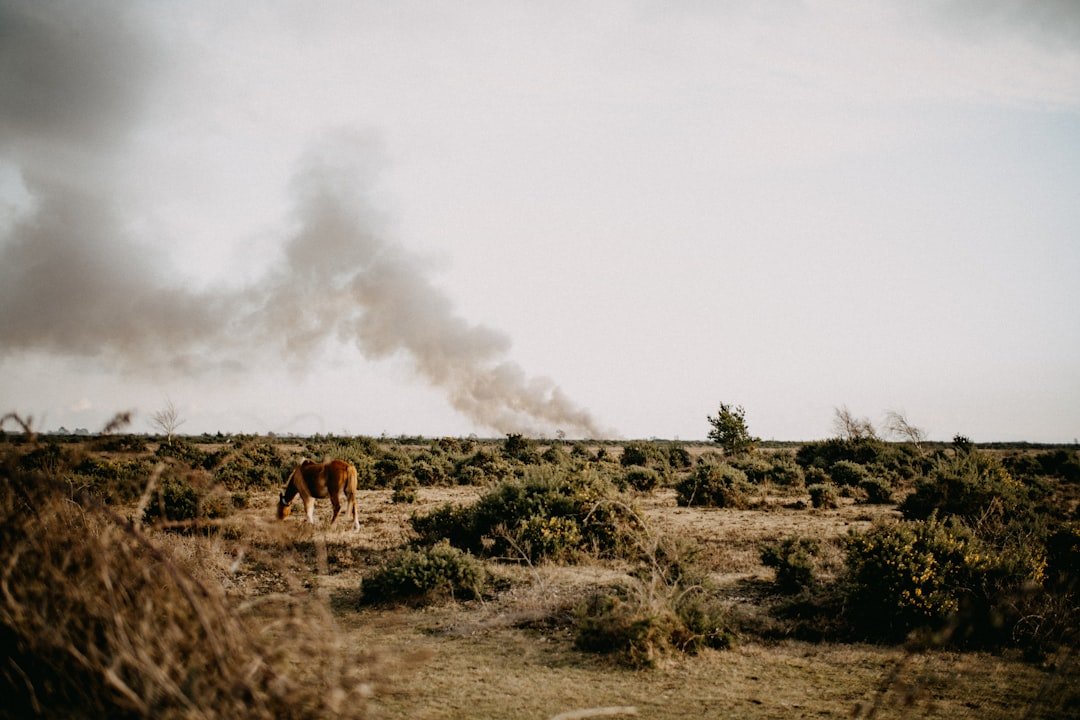
Now, imagine that field gone. Not just brown from a drought, but completely scorched. Turned to a sea of black and gray sand, with nothing left for miles.
That’s the devastating reality for ranchers across the U.S. Plains right now. Vicious wildfires have ripped through their lands, and the aftermath is a crisis that goes far beyond the ranch gate. It’s a story about resilience, loss, and, believe it or not, the price you’ll pay for a burger next summer. Let’s talk about what’s really going on.
When the Grocery Store Burns to the Ground
For cattle, the pasture is their food source. It's that simple. When a wildfire tears through, it's like a fire burning down every single grocery store in a hundred-mile radius. The food is just… gone.
Ranchers are left with a herd of hungry animals and land that can’t support them. The grass is incinerated, and it won't be coming back anytime soon. We’re talking years for some of these native grasses to recover and become viable grazing land again.
So, what do you do? You have to find feed, and you have to find it now. This sends ranchers scrambling to buy hay, which is already expensive and in high demand. They’re trucking it in from hundreds of miles away, paying a fortune for both the feed and the fuel to get it there. It's a logistical and financial nightmare, and it's happening at the worst possible time.
A Small Herd Gets Even Smaller
Here’s the thing that makes this situation so much more critical: the U.S. cattle herd is already the smallest it's been in decades.
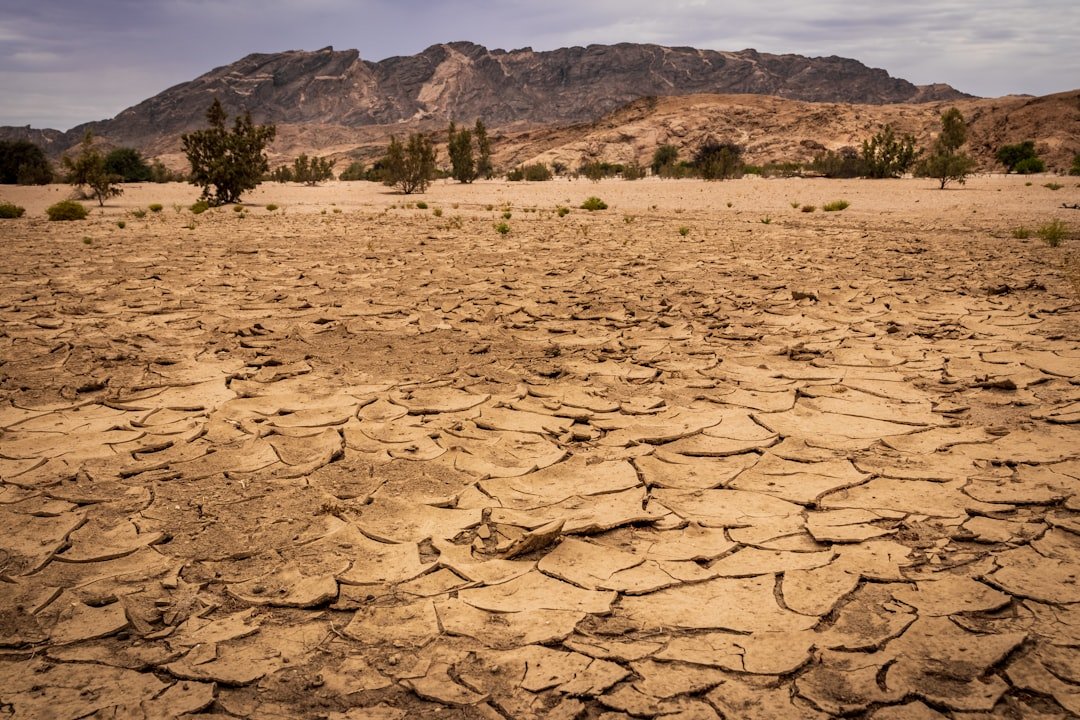
For the last few years, severe drought has forced many ranchers to sell off parts of their herds because they couldn't afford to feed them. It's a heartbreaking decision. You spend your life building a quality herd, and then you have to watch it get loaded onto a truck because you can’t find enough grass or water.
Now, add these wildfires to the mix.
Not only are they destroying the food source for the remaining cattle, but the fires themselves are also killing animals. It’s a double whammy. You’ve got a historically small supply of cattle, and now a disaster is threatening to shrink it even further. Basic economics tells you what happens next: when supply goes down and demand stays the same, prices go up. And that means higher beef prices for all of us down the line.
Can Insurance Even Help Here?
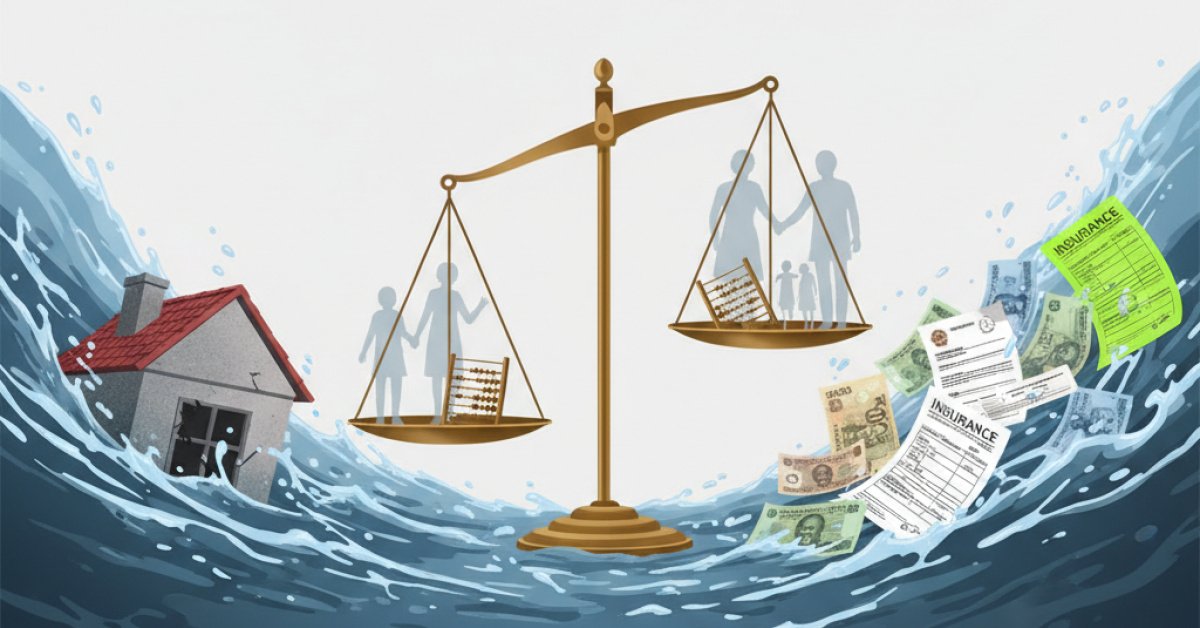
This is where my world of insurance comes into the picture. And honestly, it’s complicated, but it's also a rancher's most important lifeline. A standard farm and ranch policy might cover lost buildings or equipment, but what about the grass? What about the animals?
That’s where more specialized coverage becomes absolutely essential.
Pasture, Rangeland, Forage (PRF) Insurance
Think of this as "rainfall insurance," but it’s a bit more sophisticated than that. PRF insurance uses a rainfall index for a specific grid of land. If the rainfall in your area drops below its historical average during a specific period you’ve chosen to insure, you get a payout.
You don't have to prove you lost a specific number of hay bales. The trigger is the lack of rain itself. For ranchers hit by drought leading up to these fires, a PRF policy could have provided the cash flow they needed to buy feed before the disaster got even worse. It helps you weather the dry spells that make these fires so much more likely and destructive.
Livestock Risk Protection (LRP)
LRP is a different tool, but just as important. It’s basically a way to protect yourself against a drop in cattle prices. Let's say you're a rancher forced to sell off a large portion of your herd because your pasture burned down. You have to sell them, ready or not.
If the market is flooded with other ranchers doing the same thing, prices could plummet. LRP insurance sets a "floor price," so if the market price drops below that floor when you sell, the policy helps cover the difference. It provides a safety net against being forced to sell your assets at a massive loss during a crisis.
The Bottom Line on Coverage
No insurance policy can bring back a beloved animal or restore a scorched pasture overnight. Let’s be clear about that. But what it can do is provide the financial stability to survive. It gives you the capital to buy hay, to rebuild fences, and to make smart decisions for the future instead of desperate ones in the moment. It’s the bridge that helps you get from the disaster to the recovery.
The Long Road Back
The smoke may have cleared, but the struggle for these ranchers is just beginning. They're facing a long, tough road of rebuilding their land and their herds. It’s a testament to their incredible resilience that they even know where to start.
For the rest of us, it’s a powerful reminder of how connected we are to the land and the people who work it. The next time you’re at the grocery store, take a moment to think about the journey that beef took to get there. It’s a story of hard work, immense risk, and, right now, a fight against the ashes to build a future. And having the right risk management plan in place is what will make all the difference.