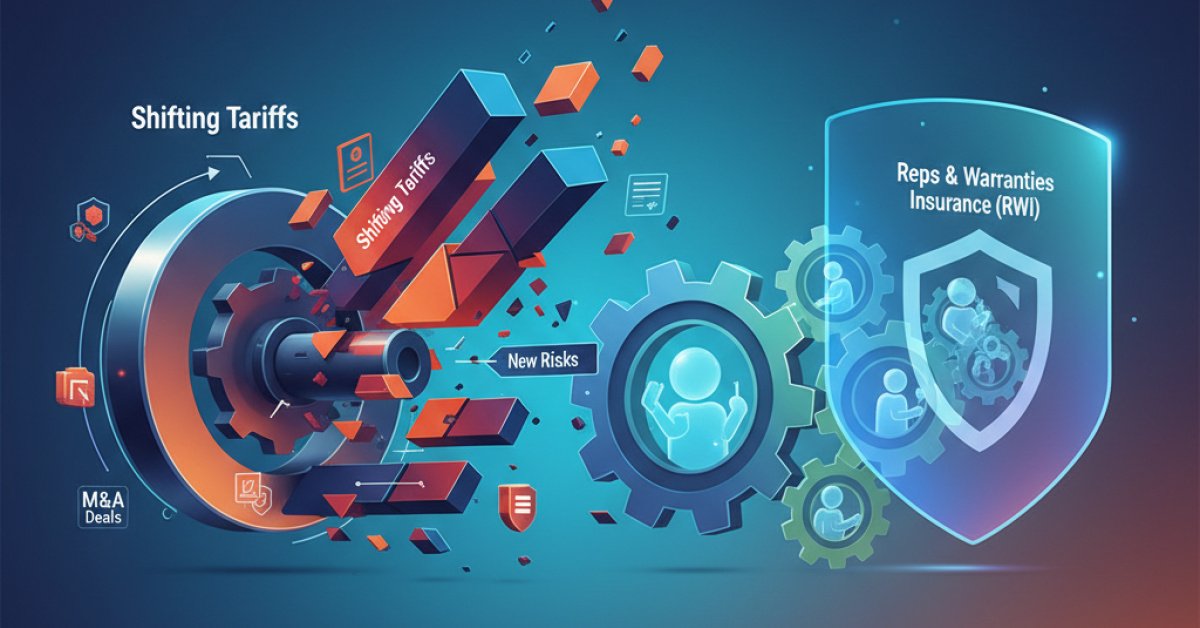
It feels like every other day there’s news of another big merger or acquisition in the manufacturing world, doesn’t it? The sector is buzzing with energy, and deals are getting bigger and bolder. But let’s be honest, when you mash two companies together, things can get messy. It’s not just about swapping logos on the building.
The folks at Travelers, in partnership with PitchBook, just dropped their 2025 M&A Study, and it’s a fascinating look under the hood of what’s really going on. They didn't just look at the numbers; they talked to over 150 manufacturing executives who live and breathe this stuff.
The big headline? While the total number of deals dipped slightly last year, the value of those deals shot up. We're talking a 70% jump in the median deal size—the first increase like that in five years. This isn't about small fish getting eaten anymore; it's about giants joining forces. And with bigger deals come much, much bigger headaches when it comes to risk.
So, What's Fueling This Buying Spree?
It’s not just one thing. A perfect storm of factors is pushing manufacturers to the deal table.
You’ve got major policy shifts encouraging companies to bring production back to the U.S. (reshoring), which is a huge driver. We’re also seeing a ton of investment in infrastructure. This has turned certain areas into M&A hotspots. The Great Lakes region is still the king, accounting for over a fifth of all deals, but the South is catching up fast with impressive growth.
And then there’s technology. This is a massive catalyst. Companies are basically going shopping for innovation. Instead of spending years developing their own robotics, 3D printing, or advanced supply chain tech, it’s often faster and smarter to just acquire a company that has already figured it out. It’s a shortcut to efficiency and a huge competitive edge.
Of course, this tech-driven approach brings its own set of risks. Suddenly, you’re dealing with complex cyber resilience issues, figuring out how to value highly specialized equipment, and vetting a whole new network of tech suppliers. It’s a whole new ballgame.
Who's Actually Doing the Buying?
The report breaks down the buyers into two main camps: strategic buyers and private equity firms.
Strategic Buyers: These are other manufacturing companies. They’re responsible for the majority of the deals. Their motivation is pretty straightforward: they want access to new talent, new markets, or new assets that will help their core business grow. Think of a global engine company buying a braking systems manufacturer to boost its clean-emissions technology. It’s a logical, strategic fit.
Private Equity (PE): PE’s share of the pie has shrunk a bit, but they are still major players. Their strategy is often different. They’re known for "add-on" acquisitions—buying a company and then bolting on smaller companies to create a bigger, more valuable platform. A great example from the report is a PE firm that bought a cabinetry division from a larger company and turned it into its own standalone, high-growth business.
But things don't always go smoothly. The study highlights a cautionary tale of a $100 million acquisition in the 3D printing space that ended up in a nasty legal battle over intellectual property. It’s a stark reminder that even the most promising deals can hide serious IP risks.
The Messy Middle: When People and Policies Collide
Here’s where it gets really interesting, and frankly, where most of the risk lives. You can have a deal that looks perfect on a spreadsheet, but if the people and cultures don’t mesh, it can all fall apart.
The executives surveyed were brutally honest about the human cost. This isn’t just corporate-speak; it's real disruption.
- Nearly two-thirds said they dealt with employee resignations or major role changes after a deal.
- Almost half saw layoffs and office closures.
Imagine being an employee at a small, family-feel company that just got acquired by a massive global corporation. The way you work, the people you report to, the software you use—everything changes overnight. It’s no wonder that cultural clashes and operational disruptions were ranked as top risks.
But here’s the surprising part. Despite all the pain points, a whopping 92% of the executives said their overall M&A experience was positive. Why? Because the benefits were just too good to pass up: breaking into new markets, reaching more customers, finding cost savings, and boosting their brand.
The Silver Lining: M&A Is Forcing Everyone to Get Smarter About Risk
If there's one major takeaway from all this, it's that going through a merger or acquisition is like a massive stress test for your company’s risk management. And it seems most companies are learning from the experience.
An incredible 97% of the companies surveyed said they changed their risk management approach after a deal. They had to. The old ways of doing things just didn’t work anymore.
What kind of changes are we talking about?
- 54% adopted new technology safety protocols.
- 52% started working with new suppliers.
- 45% revised their physical safety practices.
- 43% modified their insurance coverage.
The best news? 94% said their risk management practices ultimately became stronger because of the M&A. It forced them to take a hard look at their vulnerabilities and build a more resilient operation.
The executives who have been through the trenches shared some hard-won wisdom: be ready for hidden integration costs, expect supply chain delays, and whatever you do, don't underestimate how challenging it is to align two different company cultures.
What This Means for 2025 and Beyond
Looking ahead, the manufacturing M&A train isn't slowing down. But success is going to be about more than just making the deal. It’s about navigating the integration that follows.
The push for domestic production is a huge opportunity, but it comes with short-term cost pressures. Advanced tech offers a path to dominance, but it opens a Pandora's box of integration and IP challenges.
Ultimately, the companies that will thrive are the ones that put people first. They’ll be the ones that obsess over cultural fit, that plan meticulously for technological integration, and that build flexible, adaptable supply chains. M&A is a powerful tool for growth, but only if you’re prepared to manage the very real, very human risks that come along for the ride.