Let’s be honest, closing a major M&A deal is already stressful enough. You’ve got teams of lawyers, accountants, and bankers working around the clock. You’re deep in due diligence, trying to uncover every possible skeleton in the closet before you sign on that dotted line.
Now, imagine this. You’re weeks away from closing. The numbers look good, the future seems bright. And then, boom. A single tweet or a sudden policy announcement from halfway around the world imposes a massive new tariff on a critical component for the company you’re about to buy.
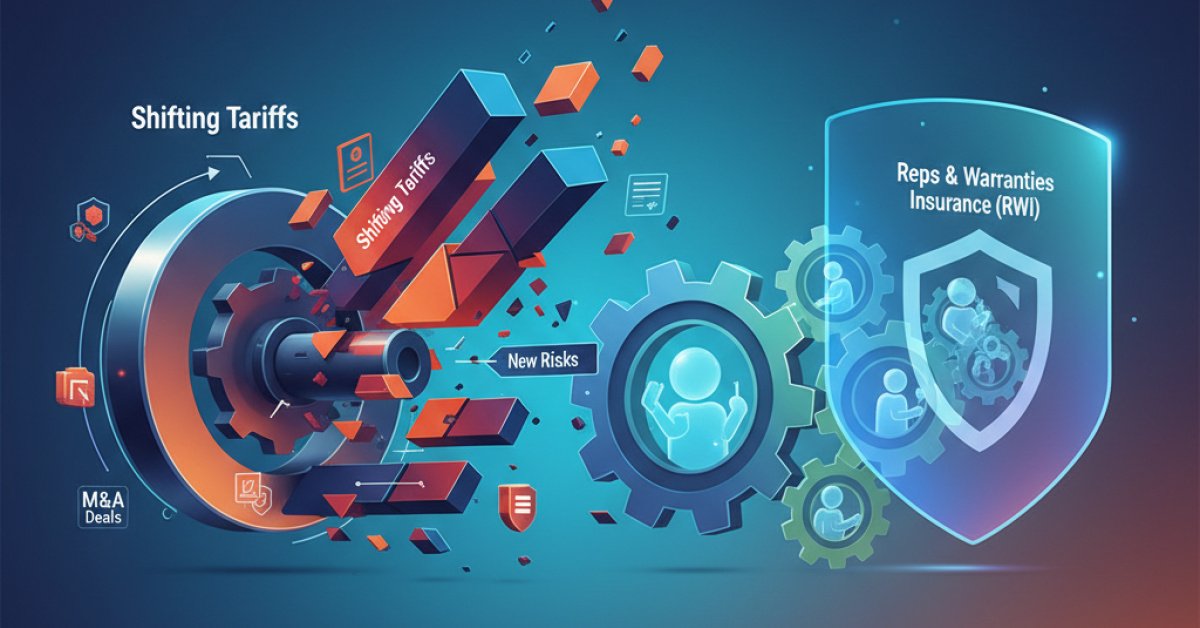
Suddenly, all your financial models are up in the air. The company’s profit margins are threatened, its supply chain is in chaos, and the value of the deal you’ve worked on for months is now a huge question mark. This isn't a hypothetical anymore. It's the new reality for dealmakers, and it's completely changing how we think about risk and insurance in the M&A world.
So, What’s the Real Problem Here?
At its core, a tariff is just a tax on imported goods. But when these taxes appear or change overnight, they can send shockwaves through a business.
Think about it. A company’s value is largely based on its projected future earnings. If a new tariff suddenly increases the cost of its raw materials by 25%, its profitability takes a direct hit. That beautiful financial forecast the seller showed you? It might not be worth the paper it's printed on.
This creates a massive headache during a deal. The seller has made certain promises—we call them "representations and warranties"—about the health of the business. They’ve likely warranted that their financial statements are accurate. But a sudden tariff can make those once-accurate statements a poor predictor of the future, even if the seller wasn't being deceptive. It's a classic case of the goalposts moving mid-game.
Enter Reps & Warranties Insurance (RWI)
For years, Reps & Warranties Insurance (RWI) has been the go-to solution for managing M&A risk. In simple terms, it’s an insurance policy that protects the buyer if the seller’s promises turn out to be untrue after the deal closes.
Let’s say the seller promised there were no pending lawsuits. Six months after you buy the company, a massive lawsuit comes out of the woodwork that started before the sale. Instead of having to sue the seller to get your money back (which is messy and expensive), you can file a claim with your RWI policy. It's a fantastic tool that helps deals get done smoothly.
But here’s the rub: RWI was designed to cover unknown breaches of past and present facts. A sudden, forward-looking government policy change doesn't fit neatly into that box. It's not that the seller lied; it's that the world changed. And this is where RWI underwriters are having to get incredibly creative and, frankly, a lot tougher.
The New Playbook: How Underwriters are Dealing with Tariff Risk
You can't just get an RWI policy and assume you're covered for tariff-related fallout anymore. The underwriters who write these policies are now laser-focused on this issue. They’re digging deeper than ever before during the due diligence process.
Their thinking has shifted from "What's true about the company today?" to "How fragile is this company's business model in the face of political and trade volatility?"
What are they looking for?
Underwriters are now asking some very pointed questions that weren't standard just a few years ago:
- Supply Chain Deep Dive: Where, exactly, do all your components come from? Not just the final supplier, but the origin of the raw materials. They want to see a full map of the supply chain to identify any choke points.
- Customer Concentration: How much of your revenue comes from customers in countries that might be targeted by retaliatory tariffs?
- Flexibility and Backup Plans: Can you easily switch suppliers if a tariff hits? Do you have alternative sources in different countries lined up? A company with a single supplier in a high-risk country is a huge red flag.
- Contractual Protections: Do your contracts with suppliers or customers have clauses that address tariff changes? Can you pass the increased costs on to your customers?
This level of scrutiny means that as a buyer, your own due diligence has to be that much better. You need to have the answers to these questions ready to go.
Brace Yourself for Exclusions
Because this risk is so new and unpredictable, one of the most common things we're seeing is the "tariff exclusion."
This is exactly what it sounds like. The underwriter will issue the RWI policy but will include specific language that says they will not cover any losses arising from the imposition of new or increased tariffs.
For a buyer, this can be a tough pill to swallow. It means a huge chunk of potential risk is being handed right back to you. If you’re buying a manufacturing company that relies heavily on Chinese imports, a tariff exclusion is a major gap in your protection.
So what can you do? Sometimes, you can negotiate. You might be able to get a narrower exclusion that only applies to specific, known tariff threats rather than a blanket ban. But you have to be prepared for the conversation and have a strong case for why the risk is manageable.
It's Not All Doom and Gloom
This all sounds a bit scary, I know. But it's not just about playing defense. This new environment also creates opportunities for smart buyers.
When you conduct this deeper, tariff-focused due diligence, you gain an incredible understanding of the target company's vulnerabilities. You can use that knowledge at the negotiating table. Maybe the risk of a future tariff justifies a lower purchase price. Or perhaps you can negotiate for specific indemnities from the seller to cover tariff-related losses, sitting outside of the RWI policy.
The key is to be proactive. Don't wait for the underwriter to raise the red flags. Go into the deal process with your eyes wide open about trade risks. Model out the "what if" scenarios. What happens to the company's EBITDA if a 10% tariff is imposed? What about 25%?
The world of M&A is always evolving, and this is just the latest chapter. The days of treating geopolitical risk as a vague, far-off problem are over. It's now a critical part of financial modeling and risk management. For buyers, sellers, and the insurers who stand behind these deals, adapting isn't just a good idea—it's essential for survival.