Have you felt it? There's a certain energy in the manufacturing world right now. It feels like everyone is talking about growth, expansion, and the next big move. A lot of that conversation centers on mergers and acquisitions (M&A), and for good reason. Things are heating up.
But it’s not just business as usual. The deals are changing. They’re getting bigger, more ambitious, and honestly, a lot more complicated.
A brand-new report from our friends at Travelers really puts some hard numbers to this feeling. They teamed up with PitchBook to dig into five years of data, and what they found is pretty eye-opening. While the total number of deals slowed down just a bit last year, the ones that did happen were huge. We're talking over $200 billion spread across nearly 1,700 deals.
Here’s the stat that really made me sit up straight: the median deal value shot up by a whopping 70% from the year before. That’s the first time that number has gone up in five years. Let that sink in. It’s not just more activity; it’s more consequential activity. These aren't small companies absorbing a local competitor anymore. These are major players making massive, strategic moves.
And as you and I both know, bigger deals always come with bigger risks.
So, What’s Really Going On?
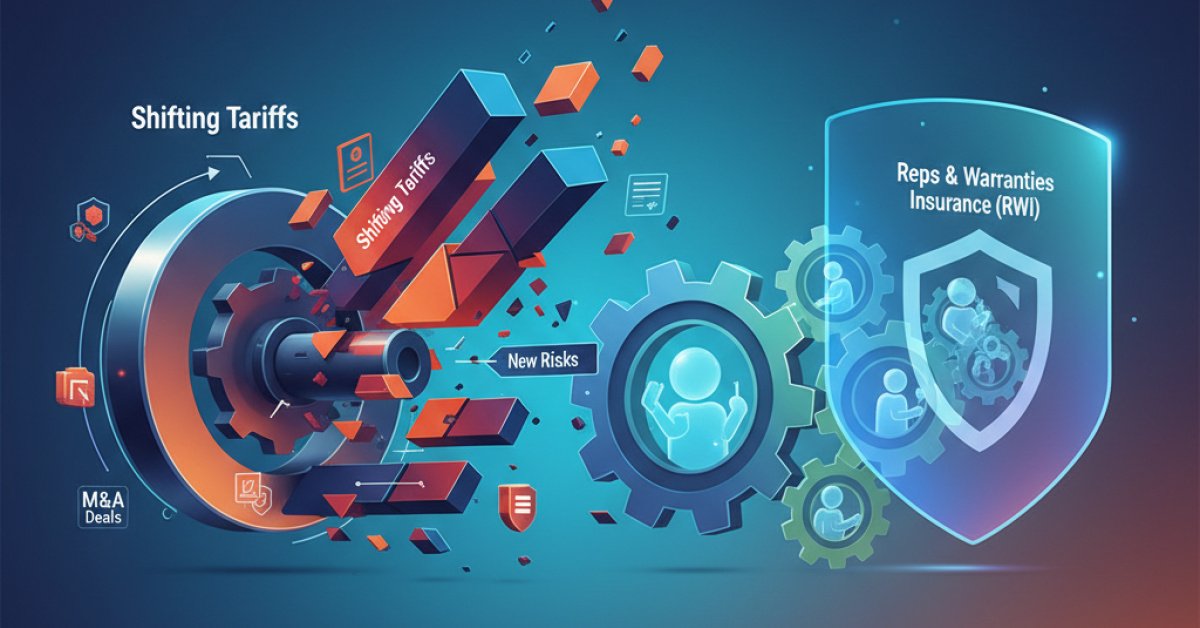
Think of it like this. Merging two companies is like combining two intricate machines. When they're small, you can tinker and adjust until the parts fit. But when you’re trying to merge two massive, complex assembly lines, you can’t just jam them together and hope for the best. One wrong move and the whole thing can grind to a halt.
That’s the reality for manufacturers wading into M&A today. The Travelers study, which also surveyed over 150 manufacturing execs in charge of risk, highlights this perfectly. On one hand, these deals are incredible opportunities for growth and innovation. On the other, they throw open the door to a whole new set of headaches.
The excitement of the deal can easily overshadow the nitty-gritty work of actually integrating two completely different organizations. And the risks aren't always obvious. They’re hiding in plain sight, in the very fabric of the companies you’re trying to merge.
Let’s break down the big ones.
The Hidden Dangers Lurking in Your Next Big Deal
When you’re deep in negotiations, you're focused on financials, assets, and market share. But the real integration challenges—the things that can quietly derail a merger long after the ink is dry—are often about people, processes, and products.
The People Problem: When Cultures Collide
You can’t just smash two company cultures together. Imagine one company is a top-down, by-the-book operation, while the other is all about flat hierarchies and collaborative innovation. How do you merge those workforces without causing chaos?
This isn't just about hurt feelings. It’s about:
- Safety Protocols: Does one plant have a stellar safety record while the other cuts corners? Integrating those safety cultures is a massive—and critical—undertaking.
- Employee Morale: Uncertainty breeds anxiety. If employees are worried about their jobs or confused about the new chain of command, productivity and quality can plummet.
- Talent Retention: Your best people might not stick around to see how things shake out. A poorly managed cultural integration is a great way to lose your most valuable assets.
The Tech Tangle: A Digital Minefield
This is a huge one. You’re not just buying a factory; you’re inheriting an entire technology infrastructure. And chances are, it looks nothing like yours.
We’re talking about different ERP systems, different cybersecurity software, and different operational technology on the plant floor. Trying to stitch these systems together is a recipe for disaster if not handled carefully. You could be facing data breaches, operational shutdowns, and major business interruptions. It’s a massive vulnerability that attackers are just waiting to exploit during the transition.
The Supply Chain Headache
You might think that combining two supply chains would make you stronger and more efficient. And it can! But it can also create a tangled mess.
What if your newly acquired company relies on a supplier that your company has blacklisted for quality issues? What if their logistics network is a mess, leading to delays that now impact your entire operation?
Suddenly, your carefully managed supply chain risk has doubled. You've inherited a whole new set of vendors, contracts, and geopolitical risks that you need to get your arms around—and fast.
It’s Not About Stopping the Deal, It’s About Doing It Smart
Look, I’m not trying to scare you away from M&A. These deals are happening because they present incredible opportunities to build stronger, more resilient, and more innovative manufacturing companies.
But this report from Travelers is a crucial reminder that the real work begins after the deal is signed. The most successful mergers are the ones where risk management has a seat at the table from day one.
It’s about asking the tough questions upfront. It’s about doing deep due diligence not just on the financials, but on the culture, the technology, and the operational guts of the company you’re looking to acquire. And it’s about having a rock-solid insurance and risk management plan in place to navigate the inevitable turbulence of integration.
The game is changing. The deals are getting bigger, and the stakes are getting higher. Being prepared for the hidden risks is what will separate the M&A success stories from the cautionary tales.