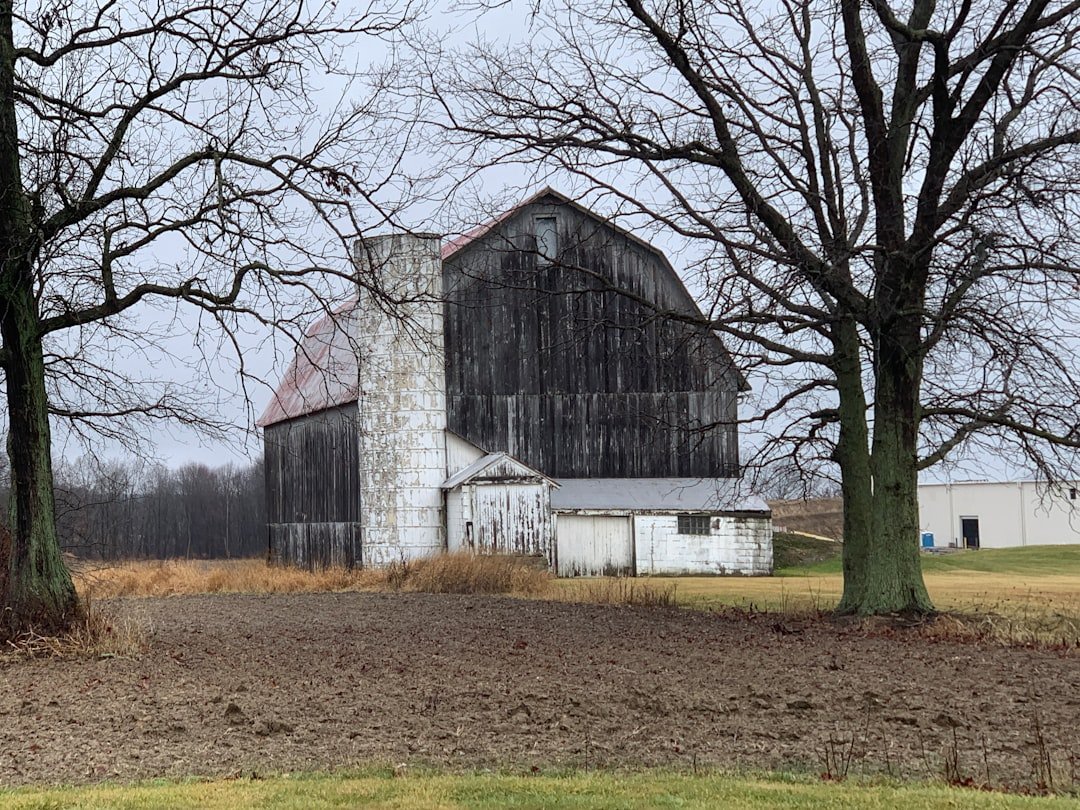
When I first saw the headline about the fire at an Ohio hog farm, my heart just sank. The numbers are staggering—around 6,000 pigs lost. You see photos of the smoke billowing for miles, and you can’t help but think about the owners, the workers, and the sheer devastation of it all.
It’s the kind of news story that flashes across your screen, and you might move on a minute later. But for those of us in the insurance world, and especially for anyone who owns or works on a farm, a story like this hits differently. It’s a real-world, gut-wrenching example of the question we always have to ask: "What if?"
What if that was your farm? Your livelihood? Your animals? It’s a nightmare scenario, and it’s exactly why we talk about insurance. Not as a piece of paper, but as a financial lifeline when the absolute worst happens. So, let's talk about what a disaster like this really means and how the right protection can be the only thing standing between a tragic loss and a total collapse.
The True Cost is More Than Just the Animals
First, we need to wrap our heads around the scale of a loss like this. It’s not as simple as putting a price tag on 6,000 pigs. The financial ripple effect is massive and touches every part of the operation.
Think about it. You have the immediate loss of the animals themselves. That’s a huge amount of capital, just gone in an instant. But the fire didn’t just take the livestock; it likely destroyed buildings, feeding systems, and critical equipment.
So, on top of the lost livestock, you’re looking at:
- Rebuilding Costs: The price of lumber, steel, and labor to reconstruct specialized farm buildings is astronomical right now. We're talking about barns, containment facilities, and complex infrastructure.
- Debris Removal and Cleanup: This is a massive, expensive, and emotionally draining job. You can't just rebuild on top of the ashes. There are environmental regulations and biohazard concerns to deal with.
- Lost Income: This is the silent killer for a business. The farm isn't producing anything. There's no product to sell. How do you pay your bills, your employees, and your loans when your income stream just vanished overnight? This period can last for months, sometimes even years.
When you add it all up, the numbers become truly terrifying. A single fire can easily create a multi-million dollar hole that no business can climb out of on its own.
What Kind of Insurance Actually Responds to This?
This is where a well-structured farm insurance plan becomes so incredibly critical. A farm policy isn’t a one-size-fits-all product; it’s a collection of specific coverages designed to protect against different kinds of disasters. In a scenario like the Ohio fire, a few key policies would be doing the heavy lifting.
Livestock Insurance
This is the most obvious one. Standard farm property policies often have very limited coverage for animals, or they might exclude them entirely. You typically need a specific endorsement or a separate policy for livestock.
This coverage is designed to pay you for the market value of the animals lost due to a covered event, which almost always includes fire. Without it, the value of those 6,000 pigs is just gone. This is the policy that provides the immediate capital to even begin thinking about recovery and restocking.
Farm Property Insurance
Think of this as the coverage for all the "stuff." It protects the physical structures—the barns, the sheds, the outbuildings—as well as the equipment inside them. From tractors and loaders to sophisticated feeding and ventilation systems, this policy is what pays to repair or rebuild the physical heart of your operation.
The key here is making sure the coverage limits are accurate. If you haven't updated your policy in a few years, you might be insured for what it cost to build that barn a decade ago, not what it will cost to rebuild it in today's market. That gap can be devastating.
Business Interruption (or Loss of Income) Coverage
I honestly believe this is one of the most important—and often overlooked—coverages for any business, especially a farm.
Here’s how it works: While your farm is being rebuilt and you're unable to operate, this insurance helps replace the income you're losing. It’s the money that lets you keep paying the mortgage on the land, handle payroll for key employees you can't afford to lose, and manage your fixed operating costs. It’s a financial bridge that gets you from the day of the disaster to the day you’re back up and running. Without it, many businesses bleed out financially long before they can ever reopen their doors.
Prevention is Always the Best Policy
Insurance is the safety net, but the goal is to never have to use it. For farms, fire prevention is a constant battle. The combination of dust, dry materials like hay and feed, electrical equipment, and combustible fumes creates a uniquely high-risk environment.
While you can never eliminate the risk entirely, taking proactive steps is crucial. This means:
- Regular Electrical Inspections: Faulty wiring is a leading cause of barn fires.
- Proper Hay Storage: Curing hay can spontaneously combust if not stored with proper ventilation.
- Equipment Maintenance: Keeping machinery clean and well-maintained prevents overheating and sparks.
- Strict Housekeeping: Controlling dust and cobwebs, which are highly flammable, can make a huge difference.
The story out of Ohio is a tragedy, plain and simple. It's a profound loss for the farm's owners and the community. But for the rest of us, it serves as a powerful, sobering reminder. A reminder that risk is real, and disasters happen without warning.
Take a moment this week to pull out your own insurance policies. Read through them. Better yet, call your agent and have a real conversation. Ask the tough questions. "Am I covered for a total loss? Are my livestock values up to date? Do I have enough coverage to actually rebuild and survive?" Don't wait until you see smoke on the horizon to find out if you have the protection you need.