You’ve probably heard the old saying, “The show must go on.” It’s a classic for a reason. It speaks to resilience, to pushing through no matter what.
But what happens when it literally can’t?
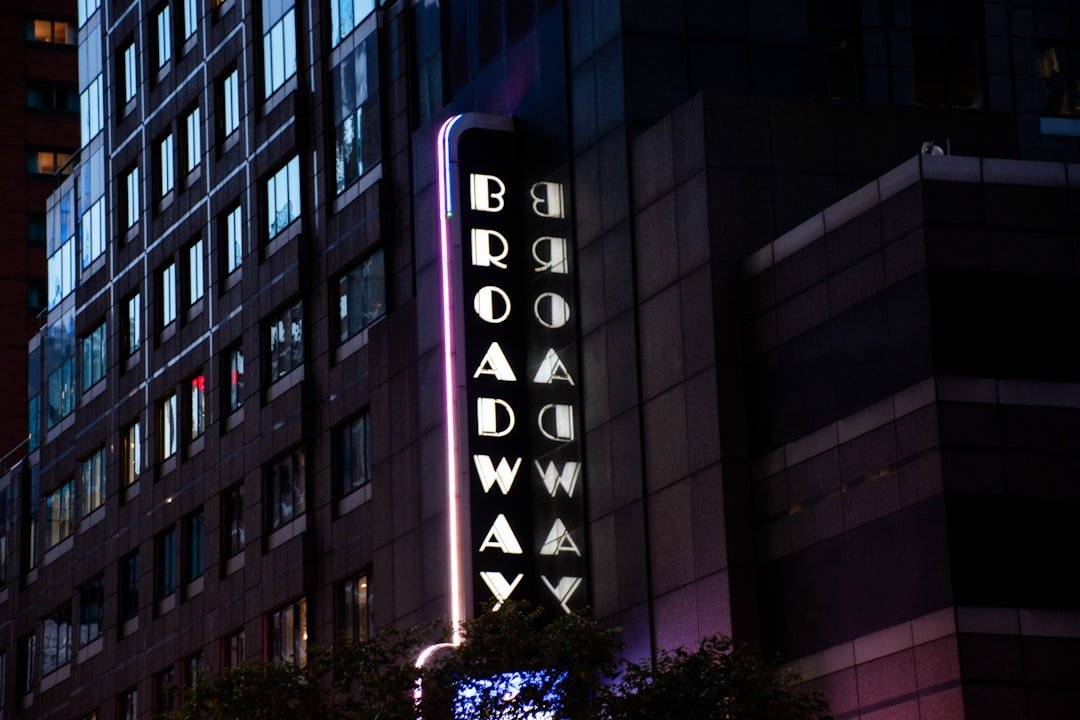
That’s exactly what happened recently on Broadway. An electrical fire broke out in the historic theater hosting the hit musical “The Book of Mormon.” Thankfully, it seems no one was hurt, but the damage was serious enough to shut the whole production down, at least for a while. The lights went out, the doors were locked, and the curtain fell unexpectedly.
For the theatergoers, it’s a canceled ticket and a story to tell. But for the theater owners and the show’s producers, it’s the start of an absolute nightmare. This is the moment where a piece of paper, their insurance policy, becomes the most important thing they own. And it’s a powerful lesson for any business owner, whether you run a theater, a restaurant, or a small shop on Main Street.
So, What Happens After the Fire Trucks Leave?
Imagine the scene. The smoke has cleared, the firefighters have gone home, and you’re left standing there looking at the damage. It’s overwhelming. You’ve got physical repairs to deal with, sure, but the bigger, scarier problem is the silence. The cash register isn’t ringing. Customers aren’t coming through the door.
This is where your business insurance policy transforms from a necessary expense into a financial lifeline. It’s not just one policy, either. A situation like this triggers a few different, but equally critical, types of coverage.
Let's break down what’s likely happening behind the scenes for that Broadway theater.
Step 1: Tackling the Physical Damage
First things first, you have to fix the building. The fire at the theater reportedly started in an electrical room and caused “substantial” damage.
This is where Commercial Property Insurance steps in.
Think of it like homeowners insurance for your business. It’s designed to cover the costs of repairing or rebuilding the physical structure and replacing what’s inside. In this case, that could mean:
- Rewiring the entire electrical system.
- Repairing walls, floors, and ceilings damaged by the fire and smoke.
- Cleaning or replacing seats, curtains, and carpets due to smoke and water damage from sprinklers.
- Replacing expensive sound and lighting equipment that might have been fried.
The claims process here is intense. An insurance adjuster comes out to assess every single bit of damage. You’re documenting everything, getting quotes from contractors, and working to prove the value of what you lost. It’s a huge job, but it’s the first crucial step to physically reopening your doors.
Step 2: Surviving the Shutdown
Okay, so the property insurance is handling the repairs. But that could take weeks, or even months. What about the money you’re not making while the doors are closed?
This is the silent killer for so many businesses after a disaster. The bills don’t stop just because your income does. You still have rent or a mortgage, employee salaries, loan payments, and utilities.
Enter the real hero of this story: Business Interruption (BI) Insurance.
I genuinely believe this is one of the most important, yet most misunderstood, coverages a business can have. It’s designed to replace the income you lose when you’re forced to shut down due to a covered event, like a fire.
It’s not just about lost profits. A good BI policy helps cover the ongoing expenses needed to keep your business alive until you can reopen. For a Broadway show, the lost revenue is staggering. We’re talking about thousands of tickets per show, plus concessions and merchandise sales. That lost income is exactly what business interruption insurance is for. It’s the financial bridge that gets you from the day of the disaster to the day you welcome customers back.
Don't Forget the 'Extra' Stuff
There’s one more piece to this puzzle: Extra Expense Coverage.
Sometimes this is part of a BI policy, and sometimes it’s separate. Either way, it’s incredibly useful. It covers the additional costs you might have to pay to get back to business faster or to operate in a temporary way.
What might that look like for our Broadway theater?
- Maybe they need to rent temporary office space for their administrative staff while the theater is being repaired.
- They might have to launch a special marketing campaign to let the public know when they plan to reopen.
- If costumes or props were stored off-site and needed to be moved to a secure location, that cost could be covered.
These are the unexpected costs that can bleed a business dry during a recovery. Extra Expense coverage is the safety net for those "I didn't see that coming" moments.
This Isn't Just a Broadway Story
It’s easy to read a story about a famous theater in New York City and think, "Well, that's not me." But I want you to pause and think about it.
Swap out "Broadway theater" for your business. What if an electrical fire, a burst pipe, or a major storm forced you to lock your doors tomorrow?
Would you have the cash reserves to pay your bills and your team for three months with zero income? For most businesses, the answer is a hard no.
This is why understanding your insurance is so non-negotiable. That fire is a real-world, high-profile example of why we have insurance in the first place. It’s not just for the big guys. It’s for the local coffee shop that has a kitchen fire. It’s for the accounting firm whose office floods from the unit upstairs. It’s for any business that relies on a physical location to make money.
So, take a minute this week. Pull out your own business insurance policy. Read through it. If you see terms like "Business Interruption" or "Extra Expense" and you're not 100% sure what they mean for you, call your agent or broker. Ask the hard questions. Walk through a "what if" scenario just like this one.
Because when the lights go out, you want to be absolutely certain you have a plan to turn them back on.