It’s hard to look away from those pictures, isn’t it? The ones showing cars submerged on a highway in Milwaukee, looking more like submarines than sedans. When you see a familiar stretch of road turned into a river, it hits differently. It’s not just a news story from far away; it could have been your commute, your car, your life turned upside down in a matter of hours.
The record rainfall across Wisconsin and the severe storms battering other parts of the Midwest are a powerful reminder that Mother Nature doesn't mess around. And once the rain stops and the water starts to recede, a whole new storm begins for homeowners and drivers: the insurance claims process.
As someone who has spent years in the insurance world, I can tell you this is the moment your policy transforms from a document you file away to one of the most important things you own. So let’s talk, friend to friend, about what’s happening and what you need to know if you find yourself in the middle of this mess.
My Car is Underwater. Now What?
Seeing your car stranded in floodwater is a gut-wrenching feeling. Your first thought is probably, "Am I covered for this?" The answer, hopefully, is yes—if you have the right kind of auto insurance.
This is where a lot of people get a surprise, and not a good one. The state-minimum liability insurance you’re required to have? That won’t help you here. Collision coverage, which pays for damage from an accident? That won't help either.
The magic word you're looking for is comprehensive coverage.
Think of it like this: collision covers you for hitting things (another car, a pole, a guardrail), while comprehensive covers you for things that happen to your car. This includes:
- Theft
- Vandalism
- Fire
- Falling objects (like tree branches)
- And yes, flooding.
Comprehensive is often sold as an optional add-on, but for a situation like the one in Milwaukee, it's absolutely essential. Without it, the cost of repairing or replacing your water-damaged vehicle is entirely on you. And let me be frank, once water gets into the engine and electronics, a car is often a total loss.
When the Water Comes Inside Your Home
Okay, let's shift from the highway to your front door. The storms bring not just rain, but the risk of rising water. And this is probably the single most misunderstood part of home insurance.
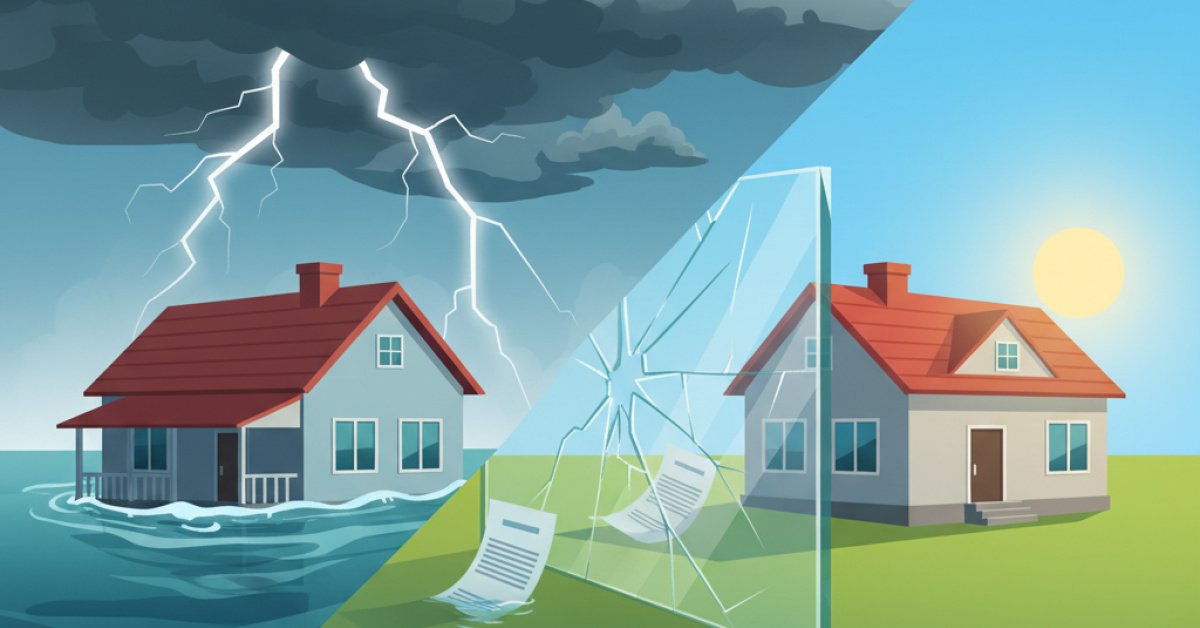
Here’s the thing I wish I could shout from the rooftops: Your standard homeowner's insurance policy does not cover flood damage.
Read that again. It’s a hard truth many people learn way too late.
Your policy is fantastic for water damage that comes from inside or from the top down—like a burst pipe, an overflowing washing machine, or a leaky roof damaged by wind. But when water rises from the ground up—like an overflowing river, a storm surge, or flash flooding from record rainfall—that’s considered a flood. And for that, you need a separate flood insurance policy.
These policies are typically managed by the National Flood Insurance Program (NFIP) and sold through private insurers. If you live in a designated flood zone, your mortgage lender probably required you to get it. But with weather patterns getting more unpredictable, we’re seeing devastating floods in areas that have never seen them before. Believing you're safe because you're not in a "flood zone" can be a very expensive mistake.
It’s Not Just About Flooding, Is It?
The original reports mentioned that other Midwestern states were working to rebuild after storms, and that’s a key point. These massive weather systems are complex. They don’t just bring rain; they often bring a whole host of other problems.
You might be dealing with:
- Wind Damage: High winds can tear shingles off your roof, break windows, and send trees crashing down onto your house or car. This type of damage is typically covered by standard home and comprehensive auto policies.
- Hail Damage: Hail can be incredibly destructive, denting your car, cracking your siding, and pulverizing your roof. Again, this is usually covered by home insurance and comprehensive auto coverage.
- Sewer Backup: This is another tricky one. When city sewer systems are overwhelmed by massive rainfall, water can back up into your home through your drains. This is often excluded from standard home policies, but you can usually buy a special, and relatively inexpensive, add-on called a "water backup and sump pump overflow" endorsement. It’s worth every penny.
The challenge is that one storm can cause multiple types of damage, and you might find yourself dealing with different parts of your policy—or even different policies altogether—to get back on your feet.
Your First Steps: How to Start a Claim Without Losing Your Mind
If you've been affected, you’re probably feeling overwhelmed. That’s completely normal. Take a deep breath. Here are the first, most important steps to take.
1. Safety First, Always. Don't walk through floodwaters (they can be contaminated or hide debris) and stay away from downed power lines. Don't try to start a flooded car. Just focus on getting yourself and your family to a safe place.
2. Document Everything. This is so, so important. Before you move anything or start cleaning up, take pictures and videos. Get shots of the water level in your home, the damage to your roof, the submerged car—everything. The more evidence you have, the smoother your claim process will be. Make a list of damaged items.
3. Call Your Insurance Agent or Company. This is your next call after ensuring your family is safe. The sooner you get the process started, the better. They will assign an adjuster to your case and walk you through the next steps. Have your policy number handy if you can.
4. Mitigate Further Damage (If It's Safe). Your policy requires you to take reasonable steps to prevent more damage. This might mean putting a tarp over a hole in your roof or boarding up a broken window. Keep the receipts for any materials you buy; they are often reimbursable. Don’t, however, hire a contractor to do permanent repairs until an adjuster has seen the damage.
These situations are tough, there’s no getting around it. The images we're seeing are a wake-up call. They remind us that having insurance isn't just about paying a bill every month; it's about having a plan for your worst day.
So please, take a few minutes this week. Pull out your own policies. Do you have comprehensive coverage on your car? Have you ever considered a flood policy? Do you know what your deductibles are? A quick call to your agent now could save you a world of financial pain and heartache later. Stay safe out there.