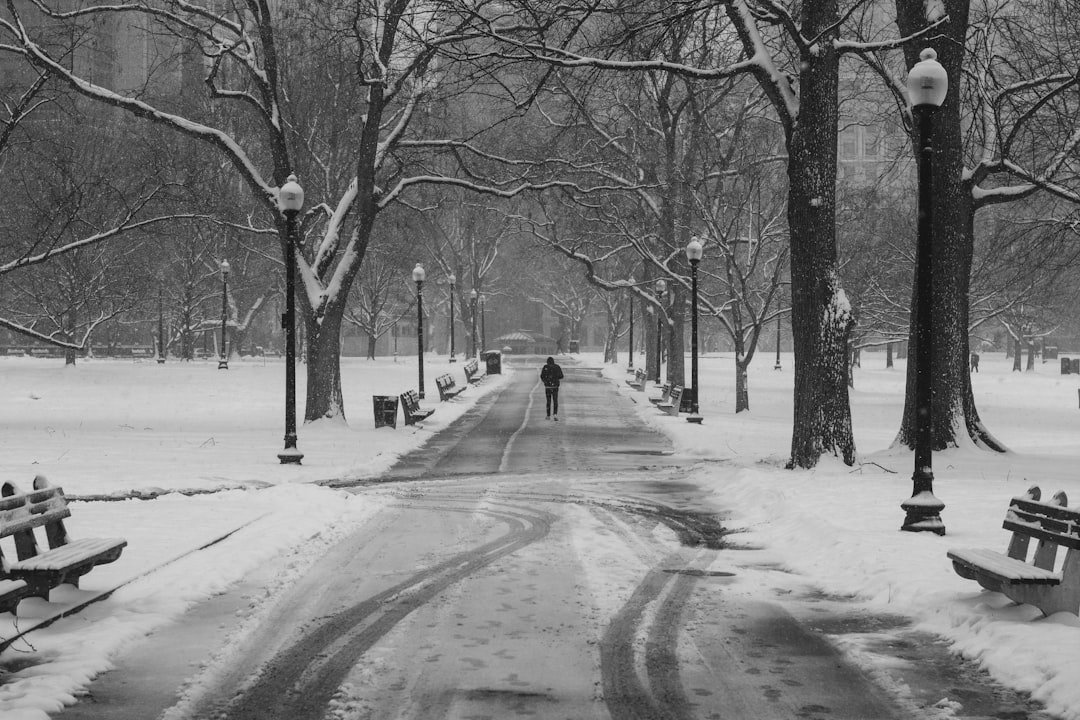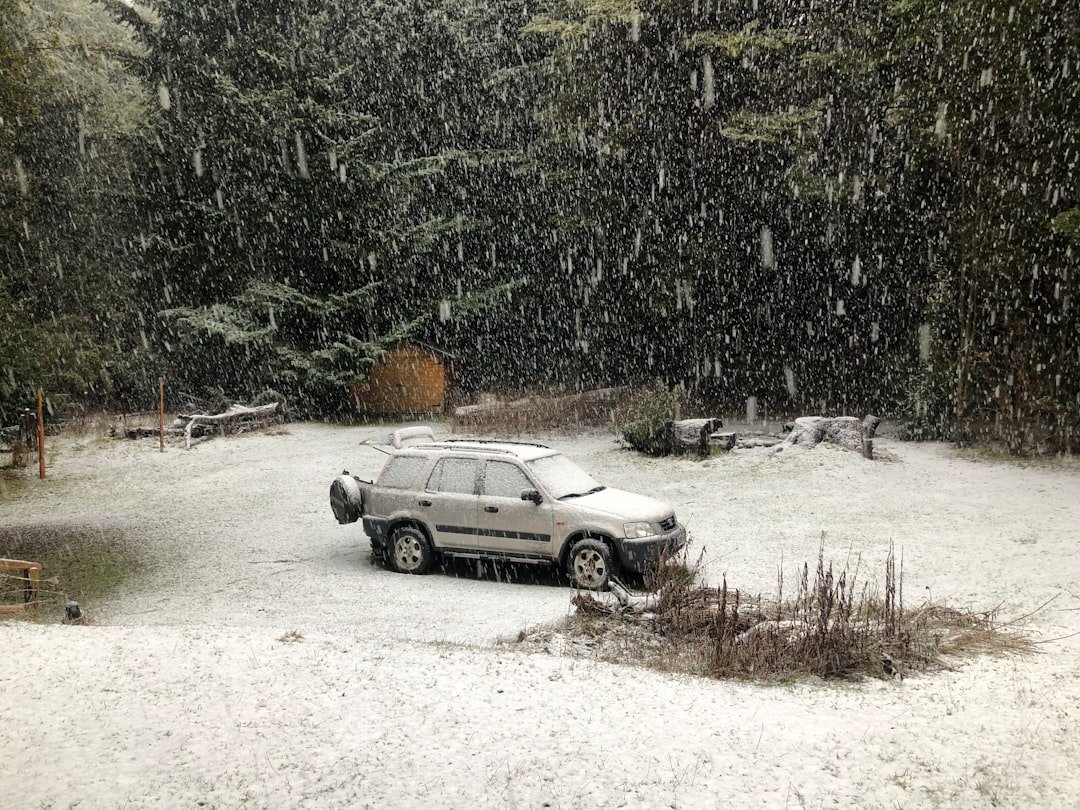
You’ve seen the headlines, I’m sure. A massive winter storm is barreling across a huge chunk of the country, promising everything from heavy snow and ice to power outages and travel nightmares.
When the weather gets this wild, it’s natural to focus on the immediate stuff—stocking up on milk and bread, finding the flashlights, and making sure the heat is working. But as someone who lives and breathes insurance, my mind immediately goes to a different place: are you actually covered if things go wrong?
It's a question that can feel overwhelming, especially when you're just trying to stay warm. So let's talk about it, friend to friend. No jargon, no confusing policy language. Just a straightforward look at what your insurance is for and how it can be a lifesaver when a storm like this hits.
First Things First: Does Your Homeowners Policy Cover Storm Damage?
This is the big one, right? The short answer is, most of the time, yes.
A standard homeowners insurance policy (often called an HO-3) is designed to protect you from specific events, which the industry calls "perils." The good news is that most of the nasty things a winter storm throws at us are on that list.
Think of it like this: your policy is a big shield. That shield is built to block things like wind, hail, snow, and ice. So, if the storm causes direct damage to your home, you're likely in good shape.
Let’s get specific on what that usually includes:
- The Weight of Ice and Snow: We've all seen those heartbreaking pictures of a roof that's collapsed under heavy, wet snow. It’s a real risk. If the sheer weight of snow or ice damages your roof, your gutters, or even a deck, your dwelling coverage should step in to handle the repairs.
- Wind Damage: Winter storms can bring some seriously powerful winds. If those gusts rip shingles off your roof, damage your siding, or topple a tree onto your house (a classic!), that’s exactly what your policy is for.
- Frozen and Bursting Pipes: This is a huge one, and it can cause an unbelievable amount of water damage. If your pipes freeze and burst, the resulting water damage to your floors, walls, and belongings is typically covered.
Now, here’s a little insider tip on the frozen pipes thing. Insurers have a "reasonable care" clause. This means they expect you to take steps to prevent the pipes from freezing in the first place, like leaving your heat on if you go away or letting faucets drip in extreme cold. If you turned the heat off completely in January and left for a week, they might argue you didn't take reasonable care, which could complicate your claim.
What About Power Outages and All That Spoiled Food?
Okay, so a tree branch takes out a power line down the street, and your lights go out for two days. Your fridge and freezer are full. Are you covered for all that food you have to throw out?
The answer here is... maybe, but don't count on a huge payout.
Many homeowners policies include a small amount of coverage for refrigerated food spoilage, usually around $500. Sometimes, though, it only kicks in if the power outage was caused by a covered event on your property (like the tree from your yard falling on your power line). If it's a grid-wide failure, you might not be covered. You’ll have to check your specific policy.
And what if the outage makes your home unlivable because you have no heat? This is where a key part of your policy called "Additional Living Expenses" (ALE) comes in. If a covered peril—like that tree crashing through your roof—makes your home uninhabitable, ALE helps pay for you to stay in a hotel and covers other costs.
But a simple power outage, on its own, usually isn't enough to trigger your ALE coverage. It’s a frustrating distinction, I know, but an important one.
My Car is Buried... What's the Deal with Auto Insurance?
Your home isn't the only thing at risk. What happens when your car takes a beating from the storm? This all comes down to what kind of auto insurance you have.
It's All About Comprehensive Coverage
Liability-only insurance won't help you here. Liability just covers damage you do to other people. For storm damage to your own car, you need Comprehensive Coverage.
Think of "comp" as the "acts of nature" or "stuff other than a collision" coverage. It’s what pays for things like:
- A heavy tree branch snapping and falling on your car's roof.
- Hail that leaves dents all over your hood.
- Damage from the sheer weight of snow and ice.
Don't Forget Collision Coverage
Now, if you're driving and you hit a patch of black ice, spin out, and hit a guardrail? That's a different story. That's what Collision Coverage is for. It covers damage to your car from, well, a collision with another object or vehicle.
I always tell my friends that if you live anywhere that gets real winter weather, having both Comprehensive and Collision is a really, really good idea. The extra cost is often minimal compared to the bill you’d face for a major repair.
All My Travel Got Canceled. Am I Just Out of Luck?
With airports shutting down and roads becoming impassable, travel plans are getting wrecked. Will your insurance help? Not your home or auto, but a different policy might.
This is where Travel Insurance comes in. If you bought a separate travel insurance policy for your trip, you'll want to read it carefully. Most policies will reimburse you for non-refundable costs if your trip is canceled or interrupted due to a named reason, and a severe, officially-declared weather event almost always counts.
Don't have a separate policy? Check your credit card. Many premium travel rewards cards have built-in trip cancellation and interruption benefits that work in a similar way. It’s a perk a lot of people forget they have.
Okay, So What Should I Do Right Now?
Feeling a little more prepared? Good. Here are a few simple, actionable steps you can take to make any potential insurance claim go a whole lot smoother.
Before the Damage Happens (or Gets Worse):
- Do a Quick Policy Check: You don't need to read every single page, but pull up your declarations page. See what your deductibles are. Know who your agent is. It’s better to have a clue now than to be scrambling later.
- Take "Before" Photos: Walk around your house and your property with your smartphone. Take pictures of your roof, your siding, and the trees near your home. Do the same for the inside. If you have to file a claim, having proof of the "before" condition is incredibly powerful.
- Find Your Insurer's Number: Put your insurance company's 24/7 claims hotline number in your phone. Now. You don't want to be searching for it in the dark with spotty cell service.
If You Do Have Damage:
- Safety First: Seriously. Don't climb on an icy roof or go near downed power lines. No claim is worth getting hurt over.
- Document Everything: Take tons of photos and videos of the damage from every angle possible. The more evidence you have, the better.
- Prevent Further Damage: Your policy requires you to mitigate further loss. This means if a tree branch punches a hole in your roof, you should cover it with a tarp to keep the snow and rain out. Your insurer will see this as you being responsible.
- Keep All Your Receipts: If you buy a tarp, pay for a hotel because your house is unlivable, or have to hire someone for emergency repairs, keep every single receipt. You'll need them for reimbursement.
Storms like this are stressful, there’s no way around it. But knowing your insurance has your back can make a tough situation a little more manageable. It’s why we have it, after all—for these exact moments.
Stay safe, stay warm, and take a few minutes to get prepared. It’s one less thing to worry about when the wind really starts to howl.