Have you ever used a chatbot to quickly check on a bill or ask a simple question? It’s fast, it’s easy, and you get an answer without having to wait on hold. It just works. Now, imagine that same technology, that same artificial intelligence, was making the final call on whether your water-damaged home is covered after a storm.
Suddenly, it feels a little different, doesn't it?
That’s the exact situation we’re seeing unfold in the insurance world right now. A fascinating new report from J.D. Power just landed, and it puts a finger on this weird paradox: we’re actually pretty open to using AI in our insurance experience, but we’re deeply skeptical about who it’s really helping.
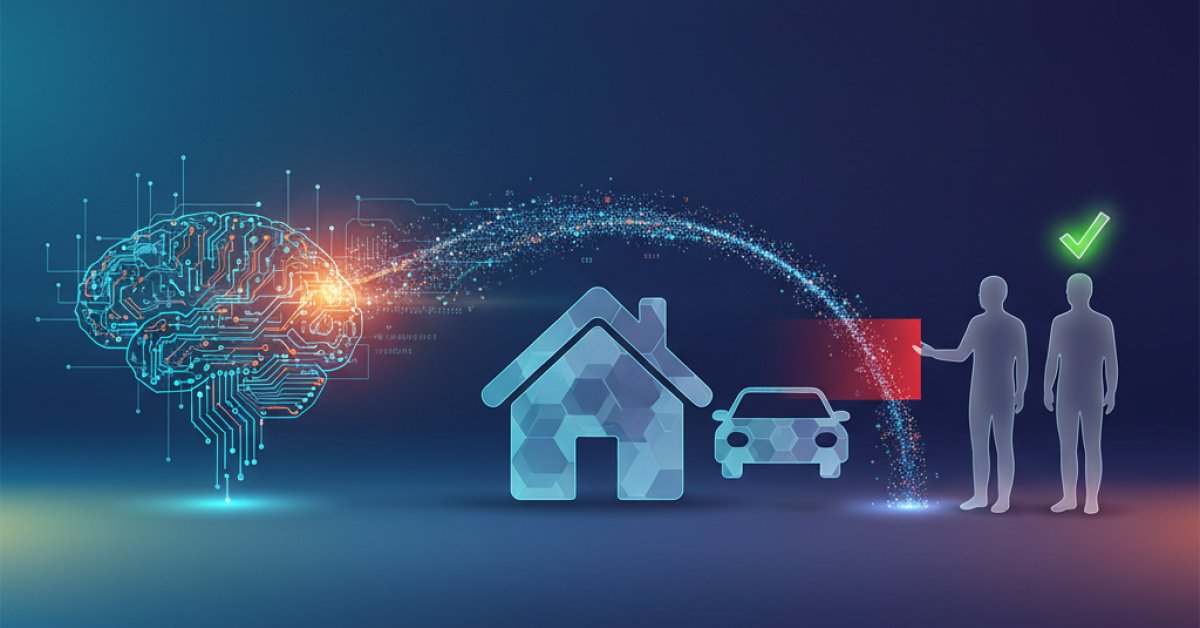
Here’s the headline stat that made me sit up straight: nearly seven out of ten of us believe our insurance companies stand to gain way more from AI than we do. And get this—only about a quarter of people (26%, to be exact) think the benefits will be shared equally. It seems we’re all for a little tech-fueled convenience, but we’ve got a nagging suspicion that the house always wins.
Where We're Happy to Let the Robots Help
So, where do we draw the line? The J.D. Power report makes it pretty clear. We’re more than comfortable with AI when it’s handling the simple, everyday stuff.
Think of it like the self-checkout lane at the grocery store. It’s perfect for a handful of items. In insurance, this looks like:
- Getting a quick update on a claim's status.
- Managing your billing and payments.
- Asking basic customer service questions.
Why are we so cool with this? Because the benefit is obvious and immediate. It saves us time, we get instant answers, and it takes a little bit of friction out of our day. The stakes are low, and the convenience is high. No one’s getting their feelings hurt if a chatbot tells them their payment is due next Tuesday.
But When the Stakes Are High, We're Hitting the Brakes
The moment AI moves from being a helpful assistant to being the decision-maker, our comfort level just plummets. This is where that deep-seated skepticism really kicks in.
The report found that nearly half of all customers are uncomfortable with the idea of AI processing their actual claims. This is the moment of truth in insurance, right? It’s when you need help the most. The thought of a faceless algorithm deciding the fate of your claim feels, well, a little cold.
But the real red flag goes up when we start talking about pricing. This is where people get really nervous. The survey data is striking:
- One-third of us think AI shouldn't be used for pricing at all until companies can prove they have protections against bias and ethical problems.
- Another 30% would only be okay with it under super strict rules that guarantee fairness and make it clear how the AI reached its pricing decision.
- That leaves just 15% of people who are totally fine with the unrestricted use of AI to set policy prices.
Let’s be honest, that’s a huge vote of no-confidence. It tells us that people are worried that an algorithm might judge them unfairly based on data they don't understand. And without a human to talk to, who do you even appeal to?
It’s Not a Tech Problem, It’s a Trust Problem
So what’s the takeaway for insurance companies that are eager to roll out more AI? According to J.D. Power, the biggest challenge they face isn't technological—it's persuasive.
Before they go all-in on more advanced AI, they need to do a much better job of explaining what’s in it for you, the customer. It’s time to peel back the curtain and show us how these tools are being used, why they’re being used, and how they lead to a fairer, faster, or better experience for us.
Right now, it feels like a black box. We put our information in, and a decision comes out, but we have no idea what happened in between. The insurance companies that can build that bridge of trust—the ones that can clearly and honestly communicate the benefits of their technology—are the ones who will succeed.
It’s about getting our buy-in. Because at the end of the day, insurance is built on a promise. And we all want to know that promise is being upheld by more than just a string of code.