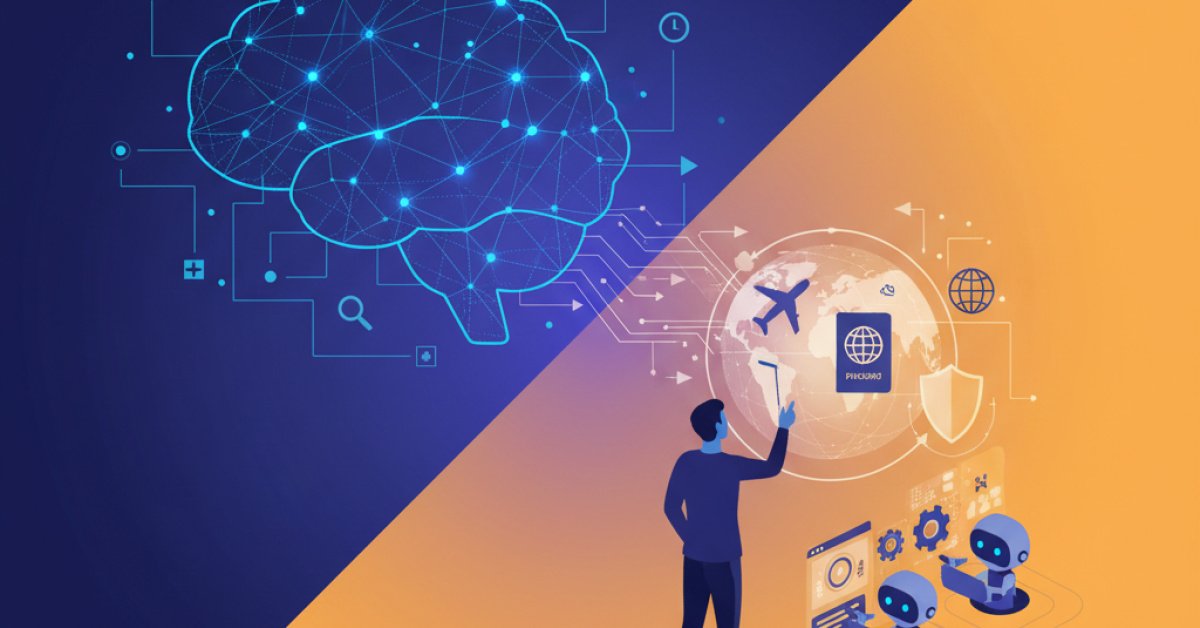
If you’ve ever talked to a workers' comp adjuster, you know their job is a juggling act. They’re part investigator, part project manager, part therapist, and all buried under a mountain of administrative tasks. It’s a constant battle against the clock, trying to move claims forward while making sure injured workers don’t feel lost in the shuffle.
For years, we've heard whispers (and sometimes shouts) about how AI is going to come in and change everything. For many, that sounds a little scary, like we're all about to be replaced by algorithms. But what if we’ve been looking at it all wrong?
I was recently listening to a conversation with Sarah Scott, a top executive at CorVel, and her perspective was a breath of fresh air. She’s been in the trenches for 26 years, starting as a nurse, so she gets it. And her take is simple: AI isn't here to replace the adjuster. It’s here to give them back the one thing they need most—time.
So, What's AI Really Going to Do for Adjusters?
Right now, when we talk about AI in claims, we're mostly talking about summarization. It can read through a massive file and spit out the highlights. That’s helpful, for sure. But Sarah sees 2026 as the year we cross a major threshold.
Think of it like this: summarization is like having an assistant who reads a book and gives you the Cliff's Notes. It saves you reading time. But what's coming next is true automation. This is like having an assistant who not only reads the book but also highlights the important parts, drafts your emails about it, and schedules your meetings to discuss it.
The real magic here isn't in the tech itself. It's in what the tech frees up people to do.
It's About Enhancing the Human Touch, Not Replacing It
Let’s be honest. No one gets into this business because they love data entry or filling out forms. People become adjusters to help other people navigate one of the most stressful times of their lives. But the reality of the job often means spending more time with a keyboard than with an injured worker.
This is the problem AI is poised to solve.
By taking over the repetitive, time-sucking tasks, AI clears the adjuster's plate. Suddenly, they have the mental space and the calendar availability to make that extra phone call, to listen a little longer, to really explain the process to someone who is scared and confused.
It’s about shifting the focus from being claim-centric (pushing paper) to being truly human-centric (guiding a person). The goal isn't to create a cold, automated system. It's to use automation to bring back the warmth and personal connection that can get lost in the paperwork.
How Do You Roll This Out Without Causing Chaos?
Okay, this all sounds great in theory. But anyone who’s been through a big tech rollout knows it can be a nightmare. You have new systems, confused teams, and a whole lot of disruption. So how do you innovate at lightning speed without overwhelming everyone?
CorVel’s approach is pretty smart, and it’s something we can all learn from. Instead of dropping a massive, complicated new system on everyone at once, they’re bundling enhancements. They roll out smaller, manageable updates that build on each other.
Here’s the key part: they don’t just build it and hope it works. They get the frontline managers involved from the very beginning in pilot programs. These are the people who live and breathe this work every day. They know what will work and what will just create more headaches.
By creating what Sarah calls "aggressive feedback loops," they’re constantly getting real-world input. They’re listening to the people who are actually using the tools and making adjustments on the fly. It's a collaborative process, not a top-down mandate. That’s how you get buy-in and actually make things better, not just different.
What Kind of People Will Thrive in This New World?
This shift also changes what we should be looking for in the next generation of claims professionals. For a long time, the job was about process and technical knowledge. You had to know the rules, the forms, the steps.
But when AI starts handling a lot of that routine work, the most valuable skills become the ones a machine can't replicate. Sarah believes the future workforce needs two things above all else: curiosity and strategic thinking.
You'll need people who can look at a complex claim and ask the right questions. People who can see the big picture and think critically about the best path forward for an injured worker, not just follow a checklist. Technical skills can be taught, but that innate curiosity and ability to strategize? That's gold.
A Quicker Path to Value-Based Care
This all ties into another big conversation in our industry: value-based care. The idea is to focus on the quality of outcomes, not just the quantity of services. For that to work, you need good, clean data to see what’s effective and what’s not.
Better AI and data insights are supercharging this movement. When you can clearly see the data, you can make smarter decisions that lead to better care for the worker and, ultimately, better results for everyone. It’s all connected.
So, what's the bottom line here? The message from Sarah Scott is refreshingly optimistic. The tech isn't the story. The people are the story. AI is simply becoming a powerful tool that will help us get back to what this industry is supposed to be about: human beings helping other human beings.
And by 2026, it sounds like adjusters are going to have tools and resources they never imagined, all designed to help them do the most important part of their job even better. I, for one, am excited to see it.